
What it looks like
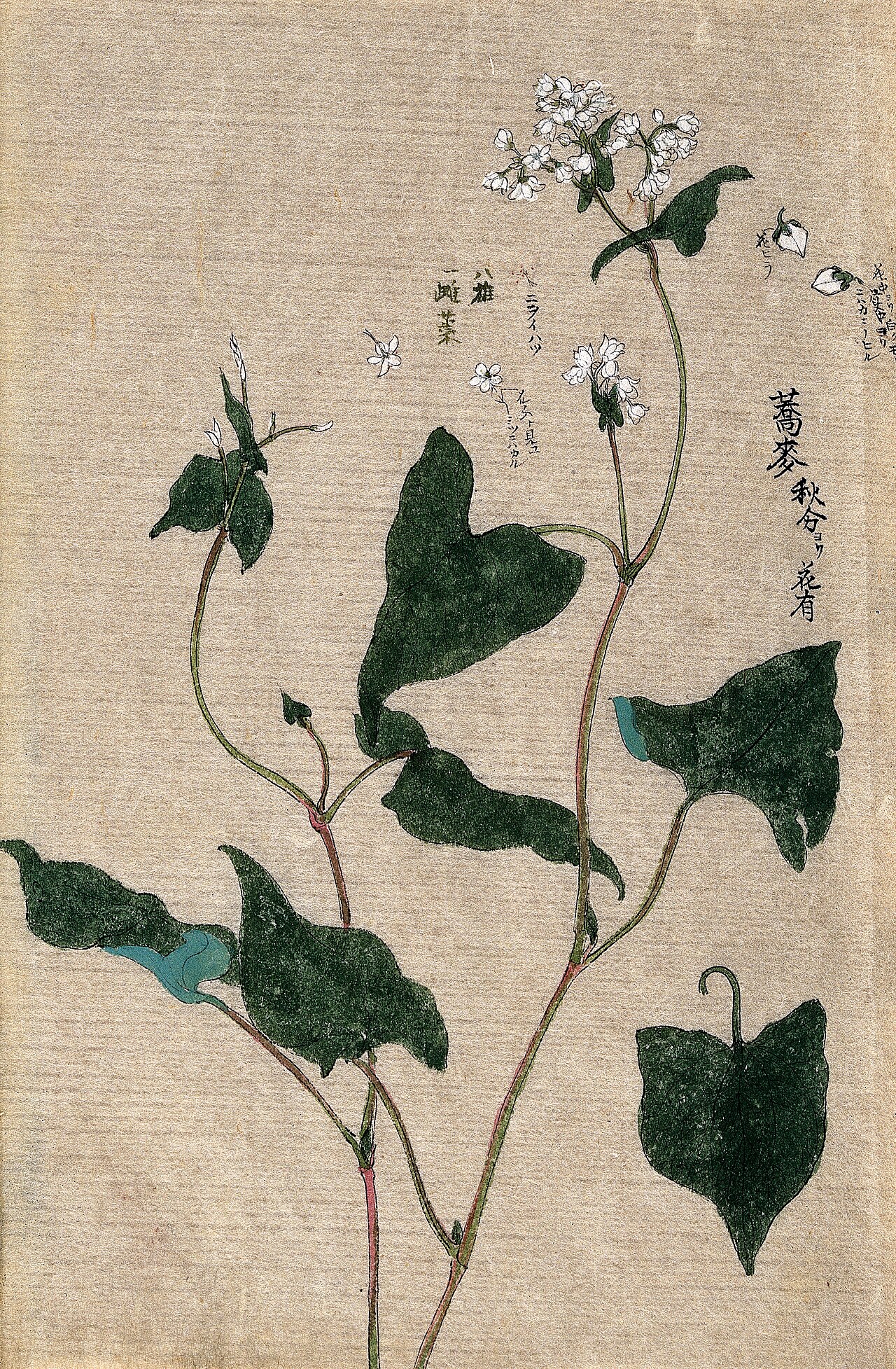
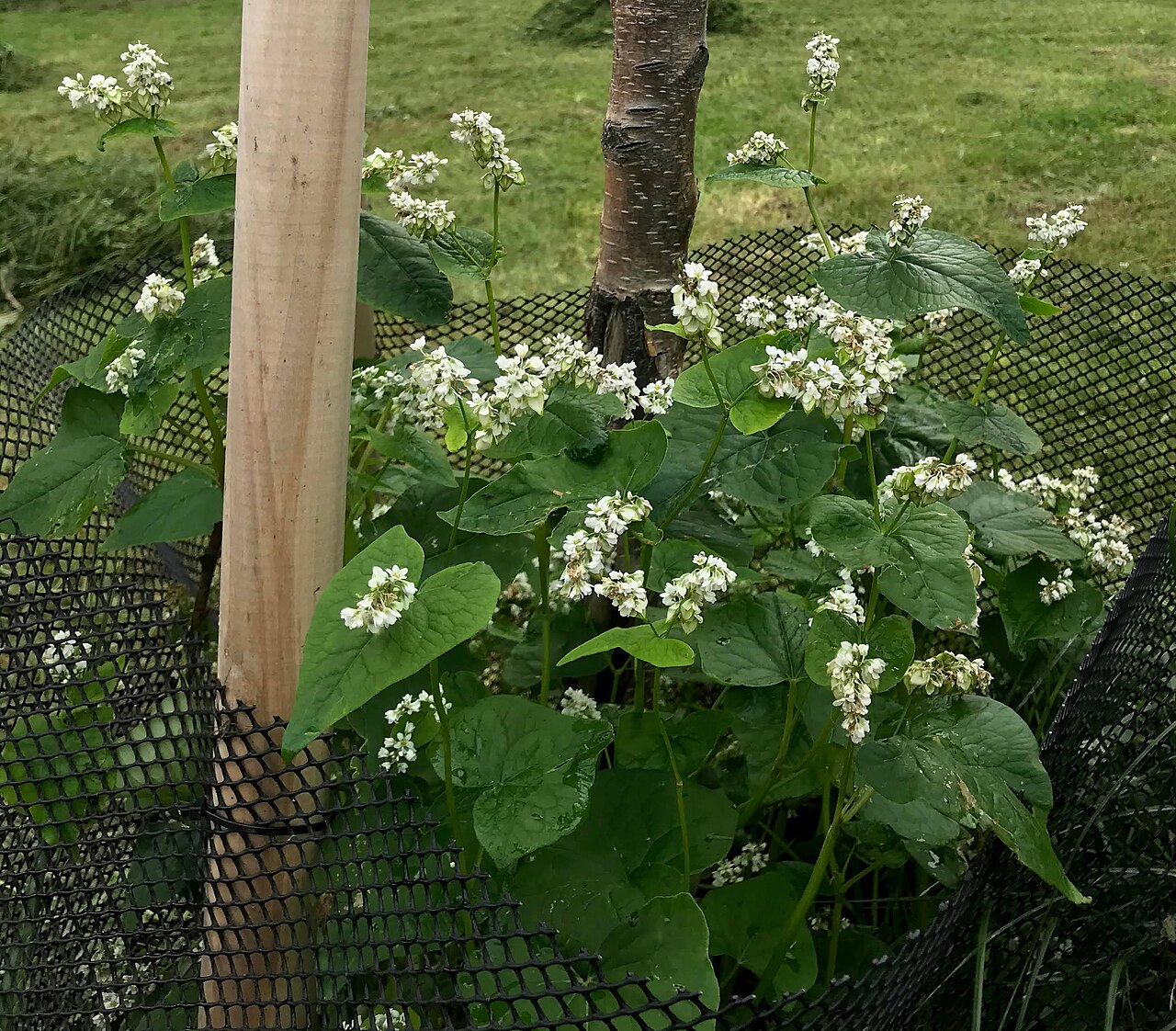
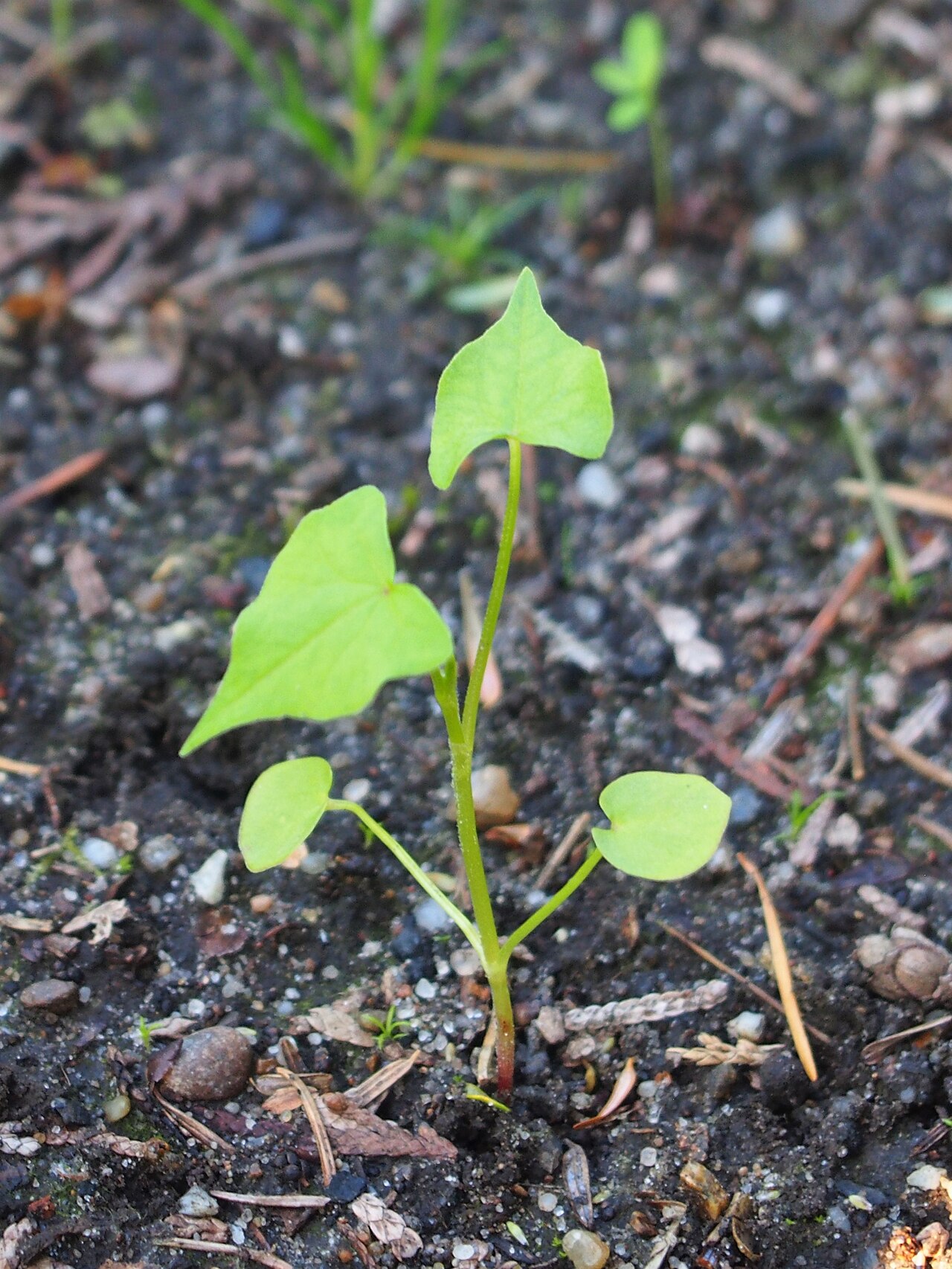
Buckwheat (Fagopyrum esculentum) is the fastest cover crop in the garden, a bee magnet, and a grain — all in one plant, all in about one season. And first, the family tree: buckwheat is not wheat. It is a pseudocereal in the Polygonaceae family, which makes it a cousin of sorrel and rhubarb, not of wheat or rye. That is why its flour is naturally gluten-free (as a plant — if you are celiac, check processing for cross-contact, as with any grain).
Not the buckwheat tree. This guide is about the annual grain and cover crop. The buckwheat tree (Cliftonia monophylla) is a completely different plant — a Florida native tree with its own profile. Same common-name root, different plant entirely.
Why grow it
Speed. Buckwheat flowers in about a month from sowing and finishes grain in 10–12 weeks. Nothing else covers bare ground that fast, which is why it is the classic smother crop: a dense canopy shades out weeds before they get established.
Phosphorus. Buckwheat roots are unusually good at unlocking phosphorus that is bound up in soil and unavailable to most plants. Grow it, till it in, and the next crop inherits phosphorus in a friendlier form. It is one of the few cover crops with this specific talent.
Beneficial insects. Buckwheat flowers are open, shallow, and dripping with nectar, which makes them accessible to the small beneficials that many flowers exclude: hoverflies, tiny parasitoid wasps, and ladybugs. It is a documented insectary plant — and one of the plants named in our Call in the Cavalry tool for keeping predators around.
Honey and grain. Bees work buckwheat hard, producing the dark, strong-flavored honey sold as buckwheat honey. And the grain itself makes pancakes, porridge, and soba-style noodles.
How to grow it
- Sun: full sun.
- Soil: average to poor soil is fine — even good. Rich soil with heavy nitrogen makes tall, floppy plants that fall over (lodge). Buckwheat does not need fertilizer.
- Sowing: broadcast seed thickly after last frost, rake in lightly, and keep moist until established. In Florida, that means spring through early fall — buckwheat is frost-tender, so don’t plant it into winter.
- Water: steady moisture while establishing; fairly drought-tolerant once up, but grows best with regular water.
As a cover crop
Mow or till at first full bloom. That is the sweet spot: maximum biomass before the stems get woody, and you avoid the one real nuisance — volunteers. If buckwheat sets seed, expect it back next season. Volunteer buckwheat is not the worst weed to have (it is easy to pull and the bees like it), but plan for it if you let a stand go to seed.
As a grain
Cut when most seeds are brown and dry, dry further if needed, then thresh by rubbing the seed heads between your hands or in a sack, and winnow out the chaff. The triangular seeds (groats) are the grain: toast them for kasha, grind for flour, or cook whole like porridge.
Saving seeds
Buckwheat is one of the easiest seeds a gardener will ever save — and one of the trickiest to keep true to type, for a reason written into the shape of its flowers. Understanding that reason is the whole game.
Buckwheat flowers come in two forms, pin and thrum, and a single plant usually makes only one of them. Pin flowers have short stamens and a long style; thrum flowers have long stamens and a short style. Pollen from one form is effectively rejected by flowers of the same form, even on a different plant, so the plant is built to cross-pollinate and built to need insects to do it. Honeybees and wild bees do the heavy lifting, and the difference they make is dramatic: without insect visitors, seed set collapses to a tiny fraction of what a bee-worked patch produces. If your buckwheat flowers well but sets poorly, the likeliest culprit is a shortage of pollinators, not your soil.
That same bee dependence is what makes isolation matter. Bees travel, and they carry pollen between every buckwheat patch in range. If you grow one variety and your neighbours grow none, your saved seed will come true well enough for garden purposes. If two varieties bloom anywhere near each other, expect their offspring to be a mix. Seed certification schemes use isolation distances measured in hundreds of feet, which tells you how seriously the professionals take bee traffic; home gardeners should either grow a single variety for seed, stagger plantings so varieties do not bloom together, or accept the crossing with good humour and select from it.
Harvest is a judgement call against shattering. Buckwheat ripens unevenly, and ripe seed drops easily, so cut when most of the seed has turned dark brown and dry rather than waiting for every last flower to finish. Cut the plants, dry them thoroughly out of the rain, and thresh by rubbing or flailing the heads over a sheet, then winnow away the chaff. One quirk to know: freshly harvested seed of some types will not germinate right away and needs a month or two of drying and storage before it wakes up, so a failed germination test in the first weeks after harvest is not necessarily dead seed.
For storage, dry the seed completely — this matters doubly in Florida, where a jar sealed with humid air inside is a mould experiment — then store airtight with a desiccant packet in a cool, dark place. On how long it keeps, sources disagree, which is worth saying plainly: some references list around three years under good conditions, others advise using seed no more than a year old for best results while conceding it can last several years. The safe practice is to sow saved seed the following season, keep it dry and cool if you must hold it longer, and run a small germination test before trusting an old jar for a whole patch.
And one last practical warning, delivered fondly: buckwheat volunteers. Seed that shatters before harvest will come up next season, and the season after that. Treat it as a self-sowing cover crop you manage, not a weed you fight — mow or turn in volunteers you do not want before they set seed themselves, and you will enjoy the free plants without surrendering the bed to them.
Florida notes
Buckwheat is a summer cover here — the opposite season from clover, which makes the two a tag team for year-round cover. It handles Florida heat and humidity well, needs water to establish, and is killed by frost, so treat it as a warm-season annual. One more Florida reality: deer love it. If deer pressure is real at your place, fence the patch or accept that you are growing deer salad.
Problems
Few pests bother buckwheat. The main issues are deer, lodging in over-rich soil, and volunteers if you let it seed. That is a short problems list for a plant doing this much work.
See also the buckwheat tree profile — different plant, same confusing common name — and the Cavalry tool for the beneficial insects buckwheat feeds.
Varieties
Every named variety of Buckwheat with its own growing guide:
- Mancan Buckwheat — The classic large-seeded buckwheat — the cover-crop standard, released in the 1970s and still going.
- Koto Buckwheat — The Cornell-bred improver — outyielding its predecessors by about 13% in trials, with bigger, more uniform seed.