
🥒 Ridge Gourd
What it looks like
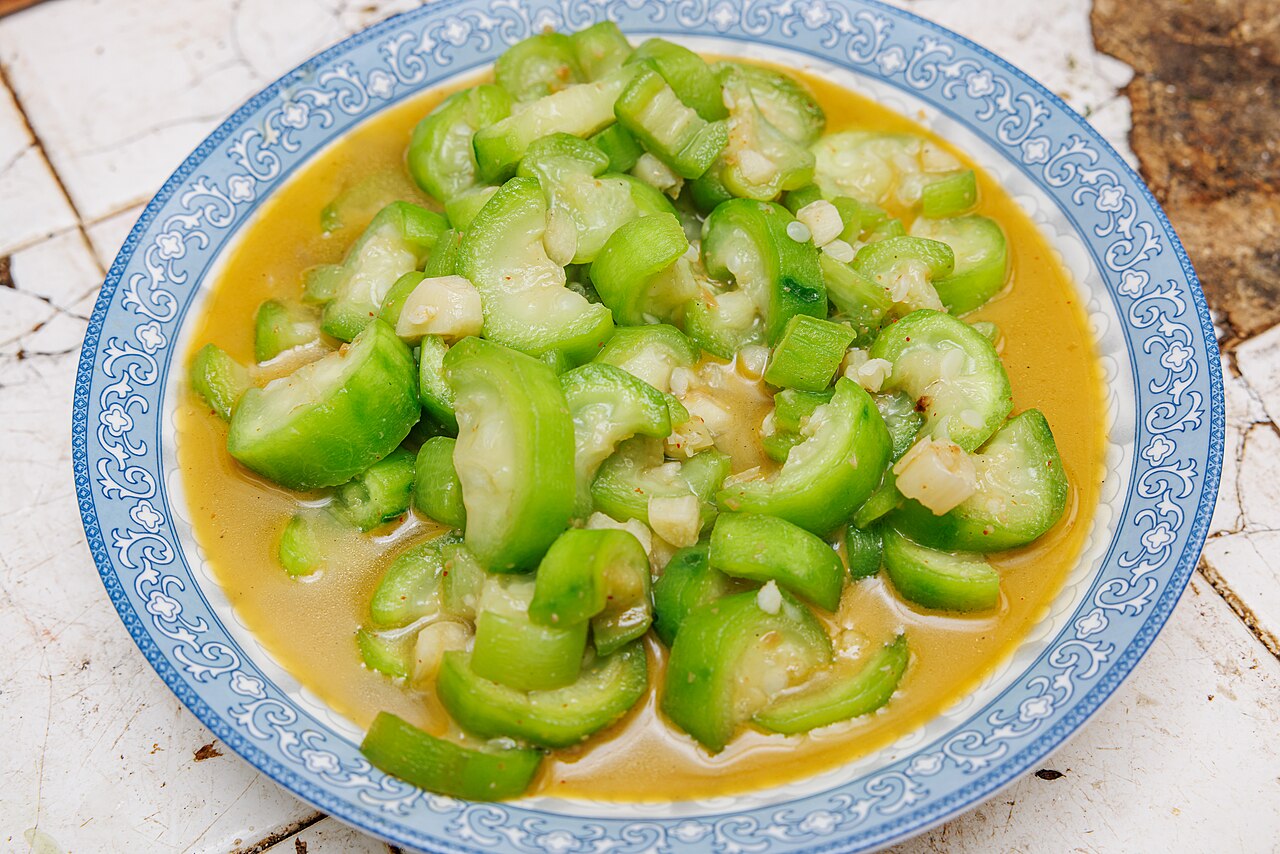
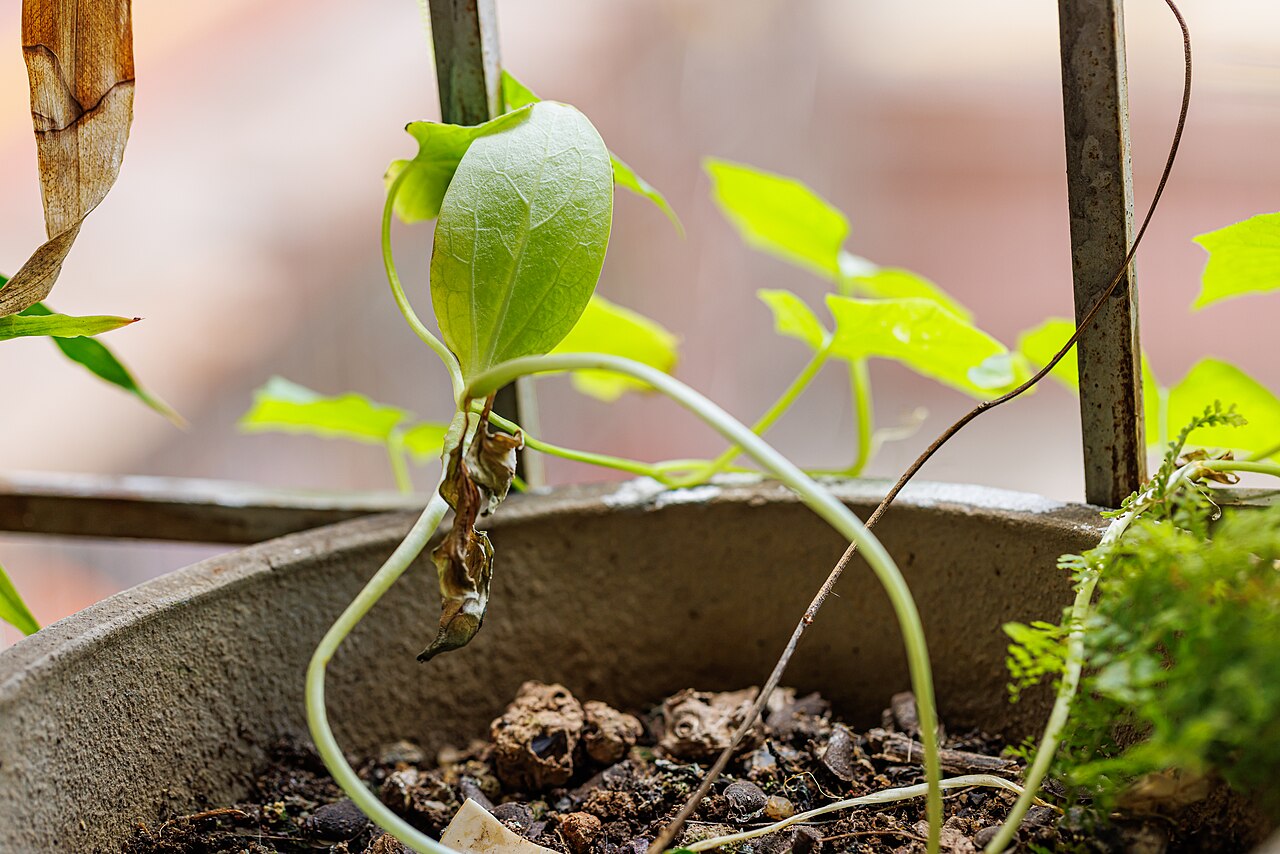

Photos show the smooth luffa cousin, Luffa aegyptiaca, since no cultivar-specific or ridge-gourd photo is hosted on this site yet — the same honest fallback the Ridged Luffa guide uses.
Why this variety
Ridge gourd — also called angled luffa, ribbed gourd, or Chinese okra (though it is no relation to okra) — is Luffa acutangula, the ridged cousin of the smooth luffa. Its fruit is characterised by ten sharp, elevated ridges running its length, with a firmer bite than smooth luffa and a delicate flavour that holds its shape in curries, stir-fries, and soups.
It is one of the fastest cucurbits to the table: first harvest in about 50-60 days from sowing, with fruit reaching marketable size just 5-7 days after the female flower opens. That speed, plus heat tolerance, is why it is a staple across South Asia — and why it belongs in a Florida garden, where heat is not a challenge but the climate.
Florida translation: ridge gourd is a UF/IFAS-documented luffa type for Florida, grown as a warm-season annual. Trellis it high, pick every 2-3 days, and it will keep producing through the hottest months.
How to grow
Sow in warm soil after frost, or start indoors and transplant when soil is warm. Trellis on a strong support 6-8 feet tall — ridge gourd vines are vigorous and fruit hangs best. Space 24-36 inches apart in rows 5-6 feet apart, and keep the bed mulched. Peel the ridges with a vegetable peeler before cooking; the flesh between them is the tender part.
Water & feeding
Water steadily — ridge gourd is a fast, thirsty vine, and a dry spell while fruit is sizing gives you woody, misshapen fruit. Mulch thickly and water at the base. Feed with compost at planting and side-dress during fruiting; avoid heavy nitrogen once fruit sets, or you will grow a hedge instead of a harvest.
Common problems
- Powdery mildew in humid weather: space for airflow, trellis high, and water at the base.
- Fruit flies on overripe fruit: pick young and promptly.
- Woody fruit: left too long — ridge gourd goes fibrous fast, so pick every 2-3 days at peak.
- Poor fruit set in screened gardens: hand-pollinate by touching a male flower to a female flower.
Harvest
Pick young and tender, every 2-3 days at peak — fruit left too long turns fibrous and inedible, and slows the vine. Peel the ridges, then boil, steam, stir-fry, or add to curries and soups. Mature fruit dries into a fibrous sponge, like smooth luffa, but ridge gourd is grown for the table, not the shower.
Browse all plant & pest guides
Saving seeds
Ridge gourd seed is easy to save — the plant practically hands it to you. Grow a fruit for eating, and let one more fruit stay on the vine past eating size until it is fully mature: the skin turns brown and dry, the fruit feels light, and it rattles when you shake it. Cut it open and the seeds fall out in a neat row, each one dark and hard. Rinse off any pulp, spread the seeds in a single layer to dry for a few days, and store them in a paper envelope in a cool, dry place. Properly dried ridge gourd seed keeps for several years.
Sow after the last frost, once the soil is warm — ridge gourd wants heat, and seed sown into cold soil will sit and rot. Sow about an inch deep in a warm, well-draining mix, or direct-sow where the vine will grow, and keep it moist and warm, around 75 to 85°F. Germination usually comes in one to two weeks. Give each plant a sturdy trellis and room to run: a ridge gourd vine is not a plant that respects boundaries, and it will cover a fence in a season.
The cross-pollination catch is worth knowing. Ridge gourd is Luffa acutangula, and it crosses with other ridge gourds — and, less readily, with smooth luffa (Luffa aegyptiaca), its close cousin. If you grow both for seed in the same season, your saved seed may produce fruits that are a muddle of the two. The reliable fix is to grow only one luffa type for seed at a time, or to hand-pollinate a few female flowers and mark the fruit with a ribbon so you know which one carries your saved seed.
Save seed from a fruit that was vigorous, healthy, and true to type — not from the runt of the vine — and save more than you need. In Florida, ridge gourd is in its element: it loves the heat and the humidity, grows fast in the warm season, and fruits heavily. Dry your seed thoroughly before storing it, because our humidity is the enemy of stored seed, and a packet that feels dry on a damp day may not be dry at all.
Varieties
Every named variety with its own growing guide:
- Arka Sumeet — The long, lush-green ridge gourd — 55 cm fruit with prominent ridges and a delicate aroma.
- Pusa Nasdar — The club-shaped ridge gourd — light green fruit, 15-20 per plant.
- Satputia — The cluster ridge gourd — small, pale green fruit in clusters of 5-7.
Ridged Luffa, the angled luffa type already guided under Luffa, is this same species: Ridged Luffa.