
🤍 Paper Birch
What it looks like
Quick facts
- Sun: Full sun to partial shade; afternoon shade helps at the warm edge of its range
- Soil: Moist, well-drained, slightly acidic to neutral
- Spacing: 30 to 40 feet
- Height: 50 to 70 feet in gardens; forest trees can top 100 feet
- Life cycle: Deciduous tree, relatively short-lived for a tree (often well under a century in cultivation)
- Zones: USDA zones 2 through 7 in most references; Missouri Botanical Garden narrows it to 2 through 6
- Florida: NOT a Florida planting recommendation — it sulks south of zone 7, and Florida heat and humidity shorten its life
What it is
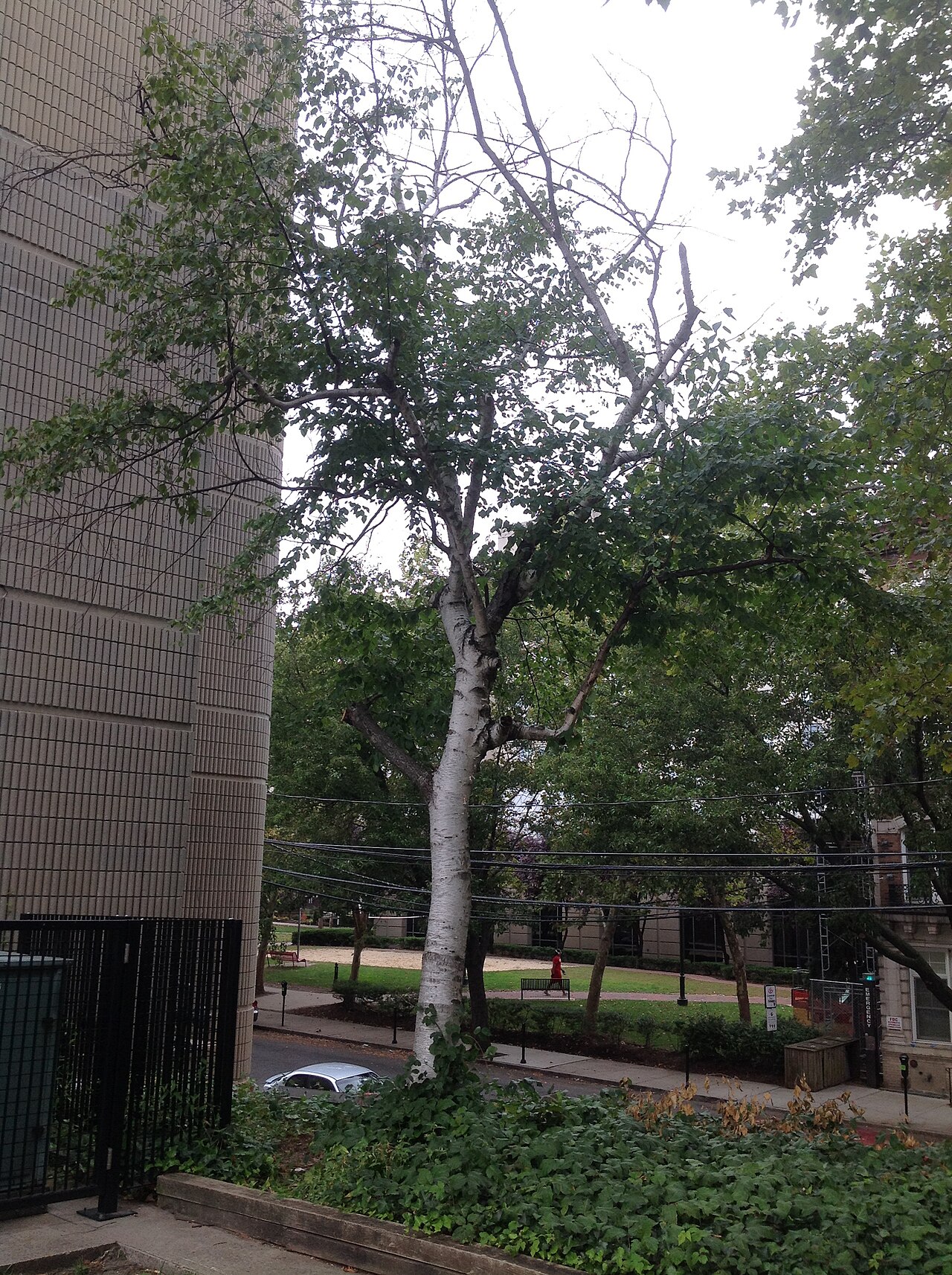
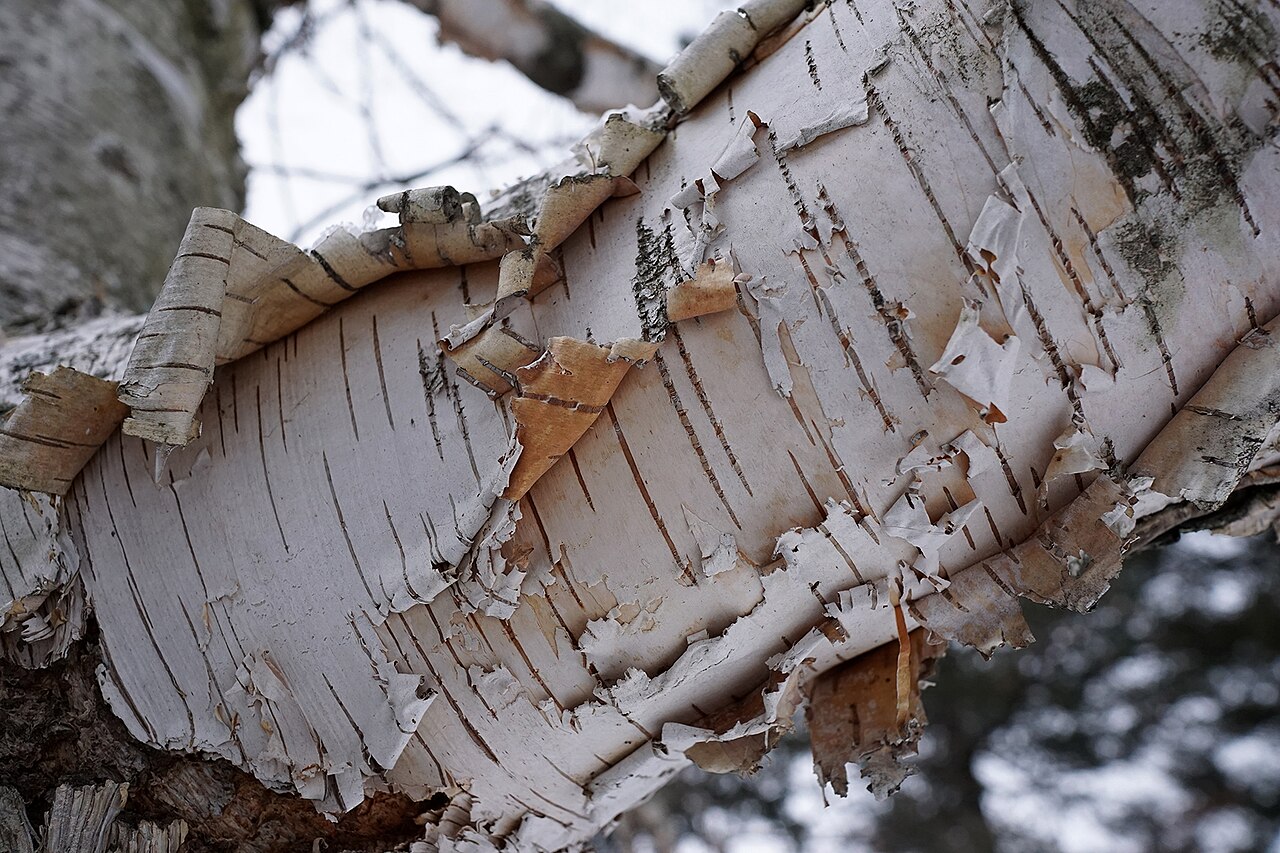
Paper birch — also called white birch and canoe birch — is the tree on the postcard: chalk-white bark peeling in great papery sheets, golden leaves in fall, a slender trunk against dark evergreens. The Latin name says it plainly: Betula papyrifera, the paper-bearing birch, confirmed in the USDA plant guide for the species. Its native range is the boreal forest itself, from Alaska across Canada to Labrador, south into the northern United States and down the Appalachians in scattered mountain populations. It is a tree of long cold winters and short cool summers, and everything about it — the white bark reflecting winter sun, the shallow roots drinking snowmelt, the light wind-blown seed — is tuned to that world.
The bark is not just pretty. It is waterproof, flexible, and famously useful: Indigenous peoples across its range made canoes, baskets, buckets, and shelters from it, and the bark contains oils that let it burn even when wet — which is why it has been kindling of last resort for centuries of cold, wet travelers. Peel it, though, and you wound the tree: the bark is its skin, and stripping sheets off a living birch invites decay. Admire it on the tree. Buy a basket if you want the craft.
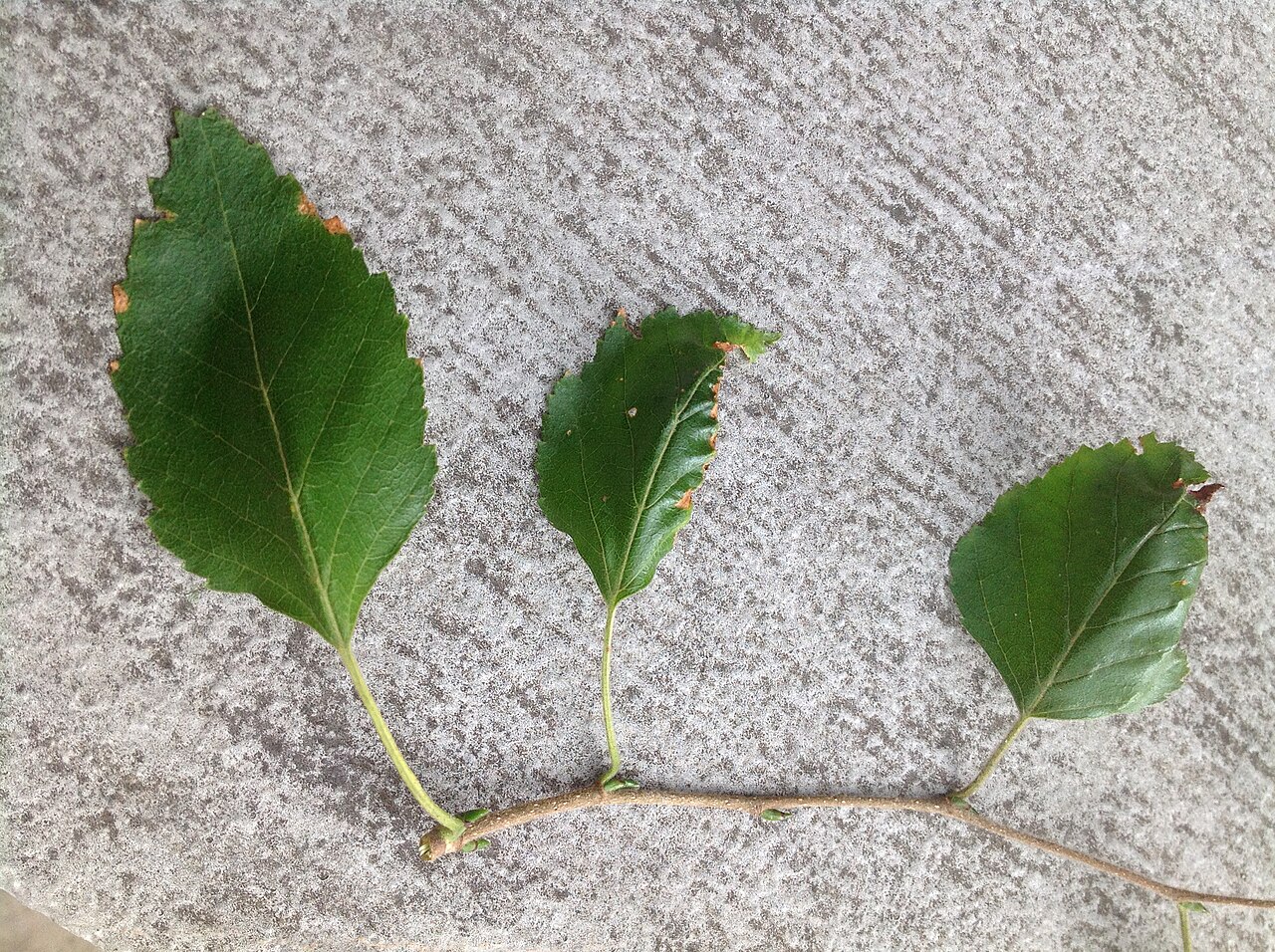
The leaves are oval to triangular, 2 to 4 inches long, with doubly toothed edges, turning clear gold in fall. The flowers are catkins, male and female on the same tree, and the tiny winged seeds ride the wind like dust. In the North Woods, paper birch is a pioneer: after fire or logging, it seeds in fast, grows fast, and shelters the spruce and fir that eventually replace it.
The honest Florida framing
Read this before you fall in love with a photograph: paper birch is a bad bet in Florida, and the references agree on why. It needs cool summers and cold winters; heat and humidity stress it, shorten its life, and open the door to its great enemy, the bronze birch borer, a beetle that kills stressed birches from the top down. Sources put its southern limit at zone 7, or zone 6 on stricter lists — and Florida’s zones run 8 through 11. Planting paper birch in Florida is planting a tree that will spend its whole life too hot, and then blaming the tree for it.
If you are gardening in zones 2 through 6, the advice is different and happy: full sun, moist acidic soil, a thick mulch layer to keep the shallow root zone cool, afternoon shade at the warm edge, and no pruning in spring when the sap is running. If you are gardening in Florida and want the white-bark look, plant river birch ‘Heritage’ instead — it is the tree bred for exactly that substitution, and it will still be alive in twenty years to prove the point. Loving a tree sometimes means admiring it where it belongs, which for paper birch is a canoe trip, not a yard.
Problems worth knowing
Bronze birch borer is the headline pest, and it is usually fatal to stressed trees: crown dieback from the top, D-shaped exit holes, ridges under the bark. Birch leafminer, aphids, and leaf spot diseases also appear. The defense is not a spray program; it is site selection — a vigorous, well-watered, cool-rooted birch in its proper zone resists borers far better than a stressed one anywhere. That is the whole story of paper birch care in one sentence: right climate first, everything else second.
Where this guide came from
Paper birch is one of the birches surveyed in the group guide. See also the Birch guide, which surveys the whole group this plant belongs to.
Saving seeds
Paper birch is the canoe-bark tree of the North Woods, and this guide is a reference guide with an honest Florida framing — so the seed advice comes with the same honesty: this is a tree for cold climates, not a Florida planting recommendation. If you garden where paper birch thrives, the seed is straightforward to save.
The seed is tiny — dust-like, with a papery wing — and it ripens in late summer, in the small, cylindrical catkins that dangle from the branches. Collect the catkins when they turn brown and begin to break apart, and crush them gently in a paper bag to release the seed. The seed is so light that a breath will scatter it, so work indoors out of the wind. Paper birch seed is short-lived, so sow it fresh in fall if you can, or store it cool and dry for only a short while.
The seed needs light and a chill. Surface-sow it on a moist, well-draining mix and press it in gently, but do not bury it — birch seed wants light. Give it a cold, moist stratification of 30 to 60 days in the fridge first, or sow it in fall outdoors and let a real winter do the stratifying. Keep the mix moist and bright, and expect sprouts within a few weeks after the chill. The seedlings are small and delicate at first; grow them on in pots for a season or two before planting out, with shade in the hottest part of the day while young.
Save seed from a healthy, well-formed tree, and sow more than you need — birch seed germination is uneven, and not every seedling will make it. Keep saved seed cool and dry, and remember that Florida humidity is the enemy of stored seed, so dry it thoroughly and jar it with a silica gel packet.
Varieties
Every named variety of Paper Birch with its own growing guide:
- Renaissance Reflection Paper Birch — The paper birch that fights back: bright white peeling bark, golden fall leaves, and real resistance to the bronze birch borer.
- Renaissance Oasis Paper Birch — The paper birch with a color-changing trunk: dark reddish bark when young, white with age — plus borer resistance and real drought tolerance.
- Renaissance Upright Paper Birch — The narrow paper birch: fast-growing, upright, borer-resistant white bark for the side yard that cannot fit a spreading birch.