
🤍 Viburnum
What it looks like
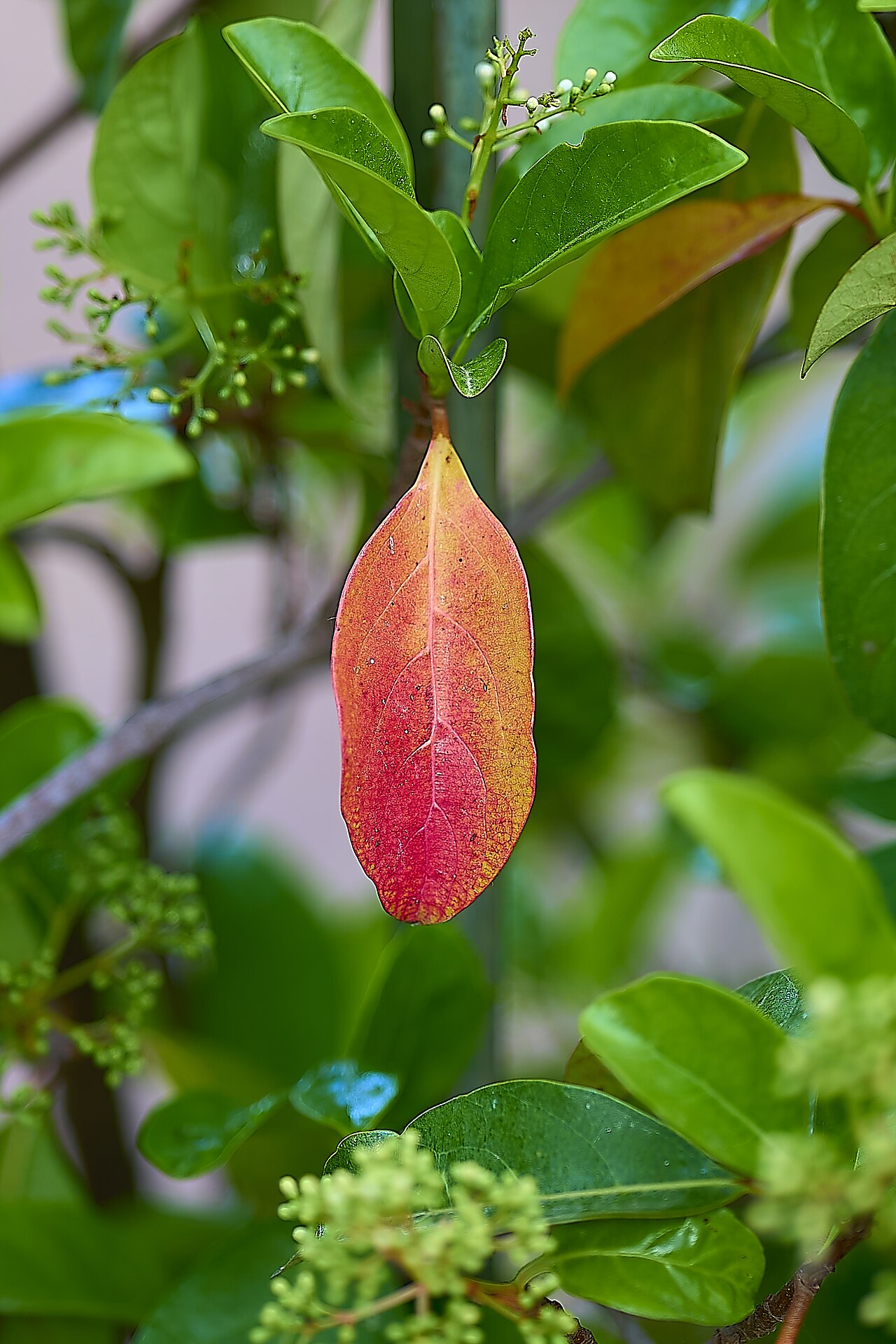
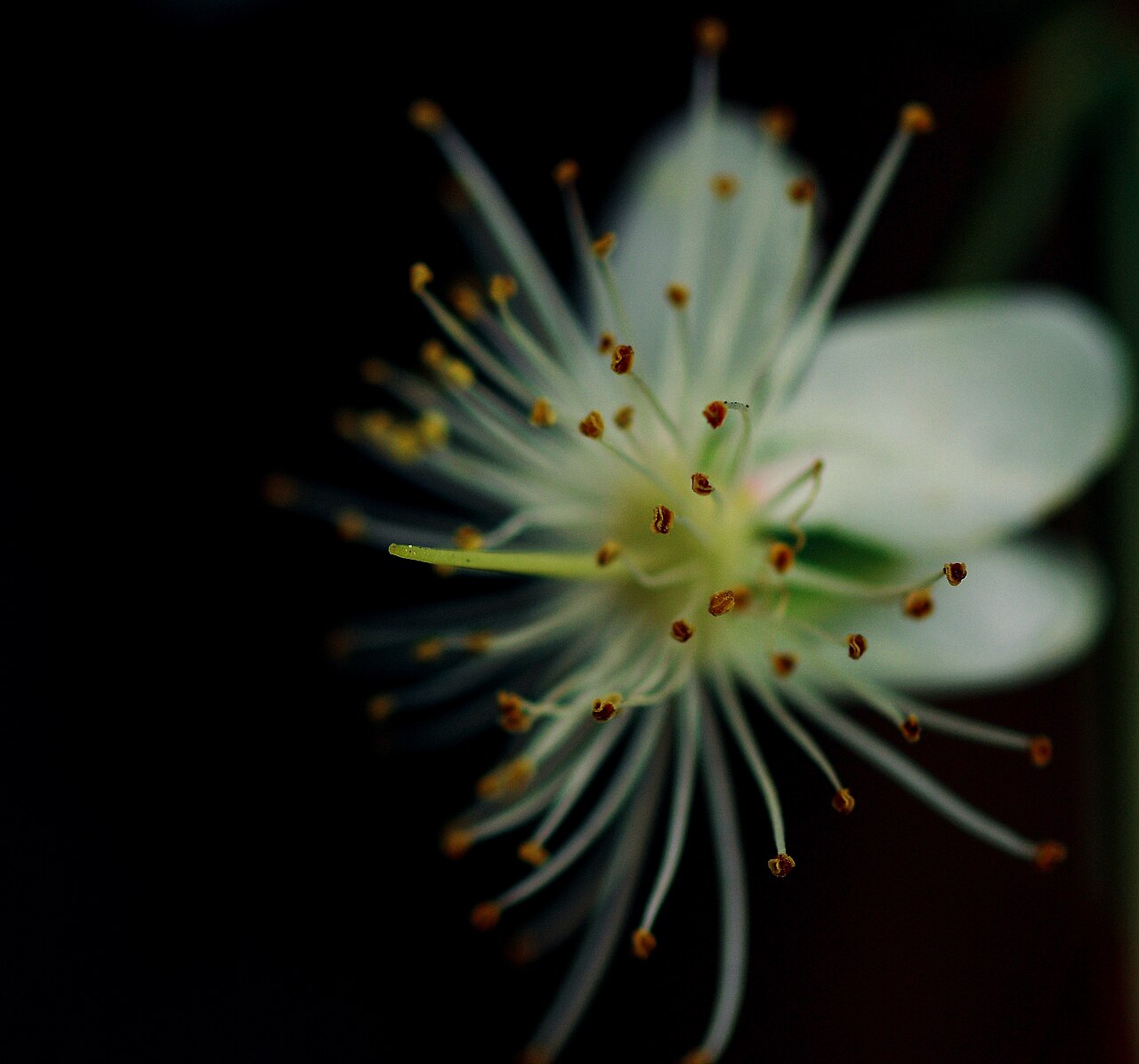

How to grow
Pick the species for your goal: Korean spice viburnum (V. carlesii) for fragrance, doublefile (V. plicatum) for horizontal flower tiers, arrowwood (V. dentatum) for native toughness and blue berries, snowball (V. opulus ‘Roseum’) for giant white pom-poms. Most prefer moist, well-drained soil and full sun to part shade. For berries, plant two different cultivars of the same species — many viburnums need cross-pollination to fruit well, and the birds will thank you.
Water & feeding
Water deeply the first year; established viburnums are moderately drought-tolerant but fruit and fall color best with steady moisture. Mulch to hold soil moisture.
Common problems
- Viburnum leaf beetle — skeletonizes leaves, worst in the Northeast and Great Lakes; pick resistant species if it is in your area
- Aphids on new growth in spring
- Powdery mildew on some species in humid, still air
Harvest
Prune right after flowering if shaping is needed — viburnums bloom on old wood, so late-summer pruning removes next spring’s flowers. Renew old shrubs by removing a third of the oldest stems each year.
Browse all plant & pest guides
Saving seeds
Genus-level honesty first: Viburnum is a big shrub genus, and seed needs are shared across most of it. The seed has double dormancy: it wants a warm spell and then a cold spell before it will sprout. Sow fresh seed in summer in a pot of moist mix and leave it outside — the warm months satisfy the first dormancy, winter satisfies the second, and sprouts usually come in the second spring. Or mimic it indoors: a few months warm and moist, then a few months in the fridge, then sow warm. Either way, do not throw the pot out after a year of nothing.
Let the berries ripen fully — the darkest blue-black fruit on the healthiest shrub — and clean the pulp off the seed, because pulp inhibits germination. Sow fresh if you can; viburnum seed does not store well, and dried seed may never germinate. The birds will race you for the berries, so net a branch or pick the moment they turn dark.
Cuttings are the faithful route for named forms — softwood cuttings taken in summer root readily, and every cutting is a clone of the parent. Seed is for the species itself and for the patient gardener. A seedling will be a viburnum, but it will not be a named cultivar, and it may take a few years to flower.
In Florida, several viburnums are native, happiest in sun or part shade with moist soil. They are butterfly hosts and bird plants, and a seedling grown from your own shrub is a native with a story.