
🌿 Mint
What it looks like
How to grow
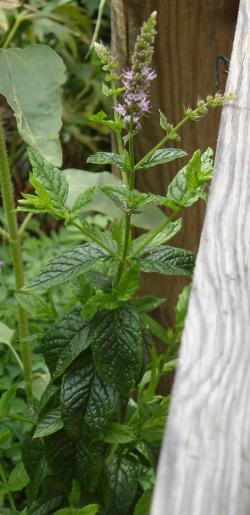
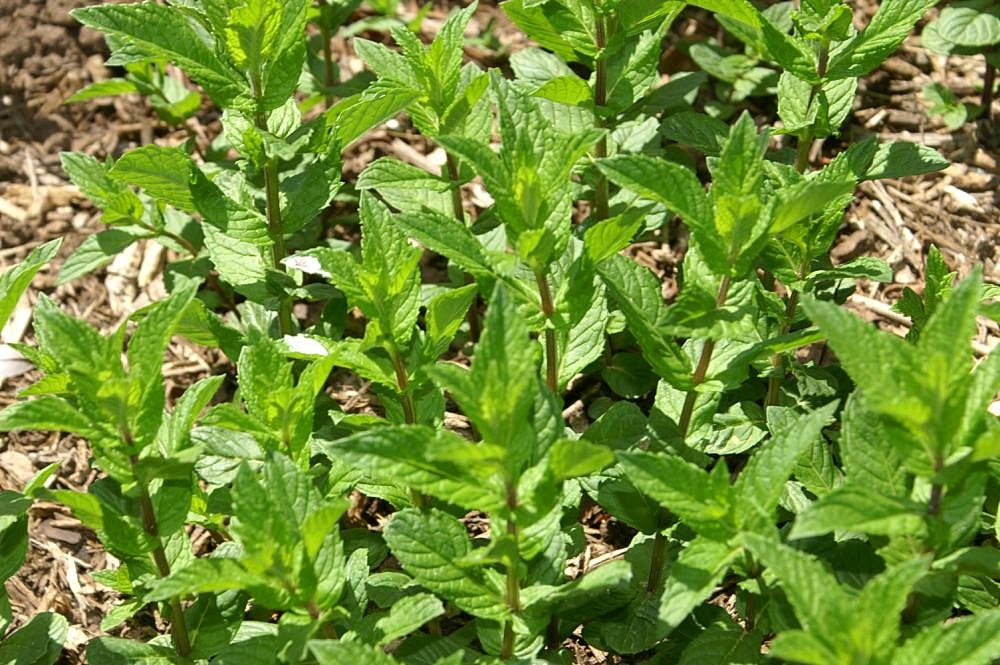
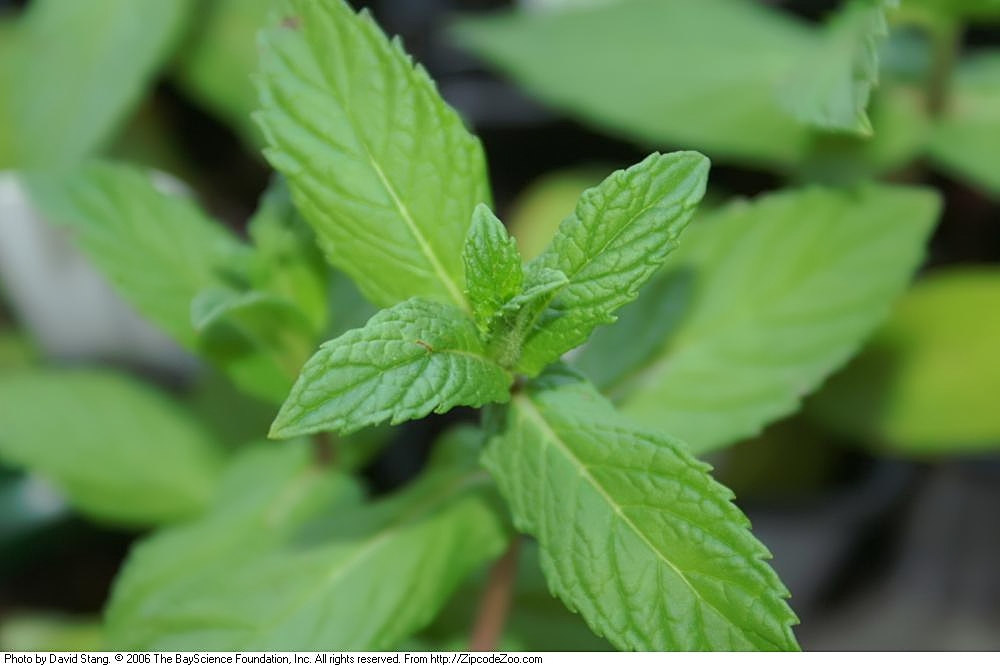
Mint is the easiest herb you will ever grow and the hardest to get rid of, which is why the first rule of mint is also the last rule: never plant it loose in a garden bed. Spearmint (Mentha spicata) is the all-rounder for tea, salads, and sauces; peppermint (Mentha × piperita) is sharper, cooler, and the one you want for desserts and tea. Both spread by underground runners and will colonize a bed within a season. Grow mint in a pot at least 12 inches wide, sink the pot into the ground if you want the look of a bed without the takeover, and cut it back hard a few times a season — it responds to abuse by growing back bushier. Start from cuttings or nursery plants, not seed: mint seed is unreliable and peppermint grown from seed will not come true. Mint tolerates a surprising range of conditions, but it is happiest in rich, moist soil with afternoon shade in the hottest climates. In Florida and the Gulf South it grows nearly year-round; in cold zones it dies back in winter and returns from its roots in spring.
Water & feeding
Keep soil consistently moist — about an inch a week, more in containers. Mint wilts fast in dry pots but recovers just as fast. It is a moderate feeder: mix a little worm castings into the potting mix at planting and top-dress lightly in spring. Overfeeding makes soft, leggy growth with less flavor, so a light hand wins.
Common problems
- Mint rust (orange pustules on leaves) — improve airflow, remove affected leaves, and avoid overhead watering; badly rusted plants can be cut to the ground and will regrow clean.
- Aphids cluster on tender tips — blast with a strong jet of water or use insecticidal soap.
- Mint escaping its pot — runners sneak out of drainage holes, so lift containers occasionally and trim escapees. This is not paranoia; it is maintenance.
- Flea beetles chew small holes in leaves — usually cosmetic on a plant this vigorous; row cover on young plants helps.
Harvest
Snip sprigs as needed once plants are established, taking no more than a third at once. Morning harvest, after the dew dries, gives the strongest oils. For drying, cut stems before flowering and hang in a dark, airy spot; for tea, fresh or dried both work, though dried peppermint is famously stronger. Freeze chopped mint in water in ice cube trays for drinks.
Browse all plant & pest guides
Saving seeds
Here is the honest headline: mint is a division plant, not a seed plant, and the seed is the experiment, not the plan. Garden mints are mostly hybrids and selected forms that do not come true from seed — a seedling from your peppermint may taste like peppermint, like spearmint, or like nothing in particular. If you want more of the mint you have, divide the roots in spring or fall, or take a stem cutting and root it in water. That is the faithful route, and it takes days, not a season.
That said, species mints do set true seed, and the seed is easy to save. Let a few flower spikes ripen and dry on the plant, then cut them into a paper bag and shake the tiny seed out. The seed is dust-fine — a pinch holds hundreds — so sow it on the surface of moist mix and do not cover it at all, because it needs light to germinate. Keep it warm and constantly moist, and germination usually comes within two weeks.
Expect variation. Even species mint crosses freely with its neighbors, and a seedling from a garden with three mints in it may be a blend of all three. Grow one mint to seed at a time if you want seed that stays itself, or accept the mix — for a plant you mostly grow for tea and cooking, a surprise mint is still a mint.
Self-seeding is not the worry with mint; spreading is. The plant runs by underground stems and will take a bed if you let it, which is why most gardeners grow it in a pot. Seed is the least of its ambitions. Stored dry, the seed keeps for a few years. Florida humidity is the enemy of stored seed, so dry it thoroughly, jar it with a silica gel packet, and keep it cool and dark. The seed you save is a lottery ticket; the division you take is the mint itself.
Varieties
Every named variety of Mint with its own growing guide:
- Apple Mint — The soft, fuzzy, apple-scented mint: round woolly leaves and a gentle fruit-mint flavor that makes the best mint jelly and fruit teas.
- Pineapple Mint — Apple mint in cream and green: variegated woolly leaves with a fruity, pineapple-tinged scent — the prettiest mint in the pot collection.
- Orange Mint — The citrus mint: Earl Grey perfume, orange-peel brightness, and none of peppermint’s chill — the mint for fruit, drinks, and desserts.
- Ginger Mint — The pretty mint: gold-splashed leaves, a soft ginger-spice scent, and the good manners to stay smaller than its mint cousins.
- Kentucky Colonel Mint — The julep mint: a mild-mannered, improved spearmint with crinkly bright leaves and a pure, clean flavor — the one for the glass, not just the garden.
- Strawberry Mint — The dessert mint: small leaves with a delicate strawberry scent and flavor — the mint for fruit, drinks, and garnishes that taste like summer cheated.
- Banana Mint — The mint that smells like banana: small lime-green leaves with genuine banana aroma — the mint guests refuse to believe until they taste it.
- Grapefruit Mint — The breakfast mint: large downy leaves with a sharp grapefruit-citrus bite — the mint for salads, drinks, and desserts that need a citrus jolt.
- Eau de Cologne Mint — The perfumer’s mint: the classic citrus-scented peppermint behind eau de cologne — bright, clean, and old-fashioned in the best way.
- Lavender Mint — The floral mint: a peppermint with a light lavender-like scent — the mint for teas and desserts that want flowers without a flower bed.
- Basil Mint — The mint that thinks it is basil: basil-scented leaves on a mint plant — the mint for pesto-adjacent experiments and cooks who cannot choose.