
🥒 Chayote
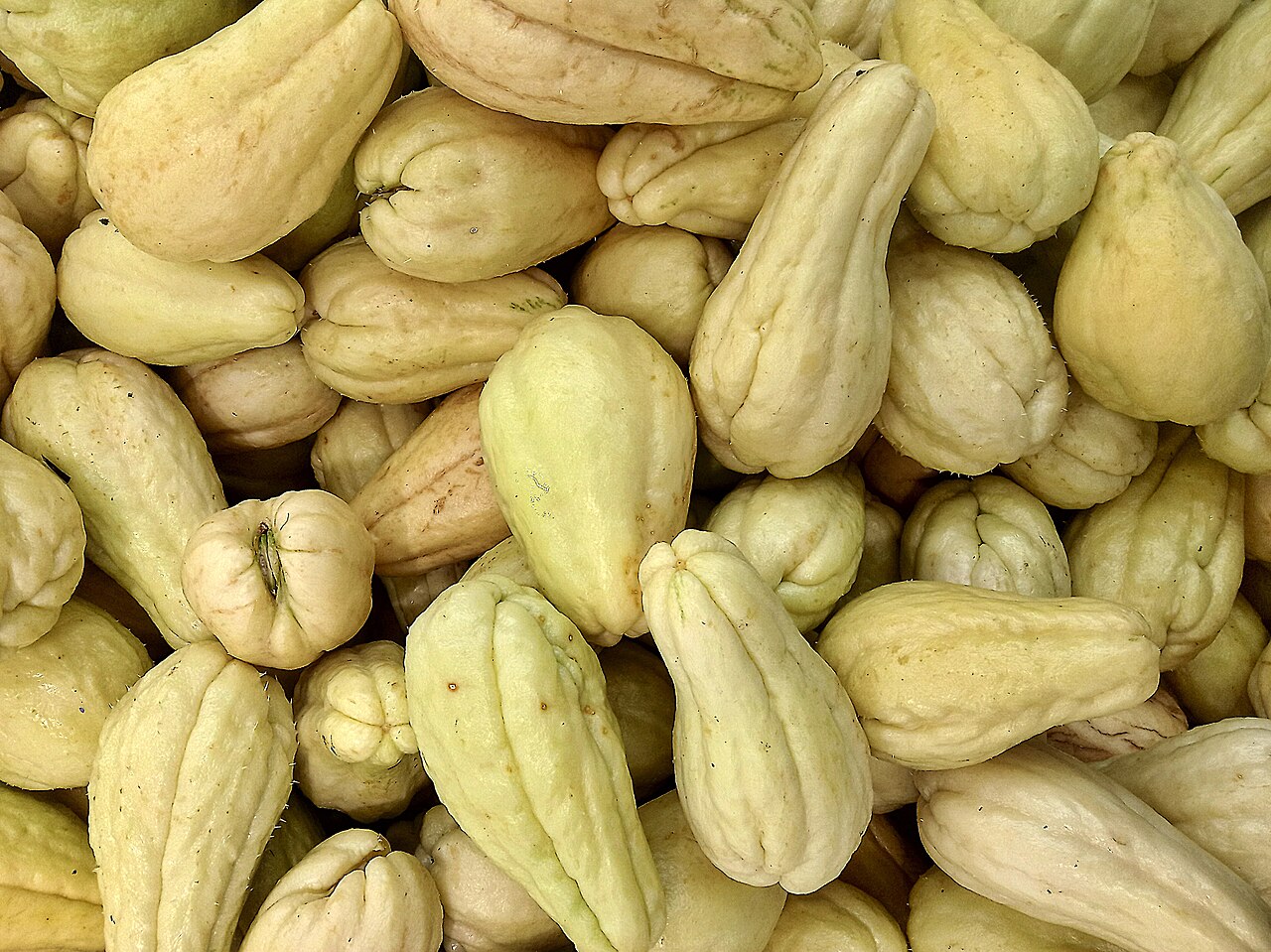
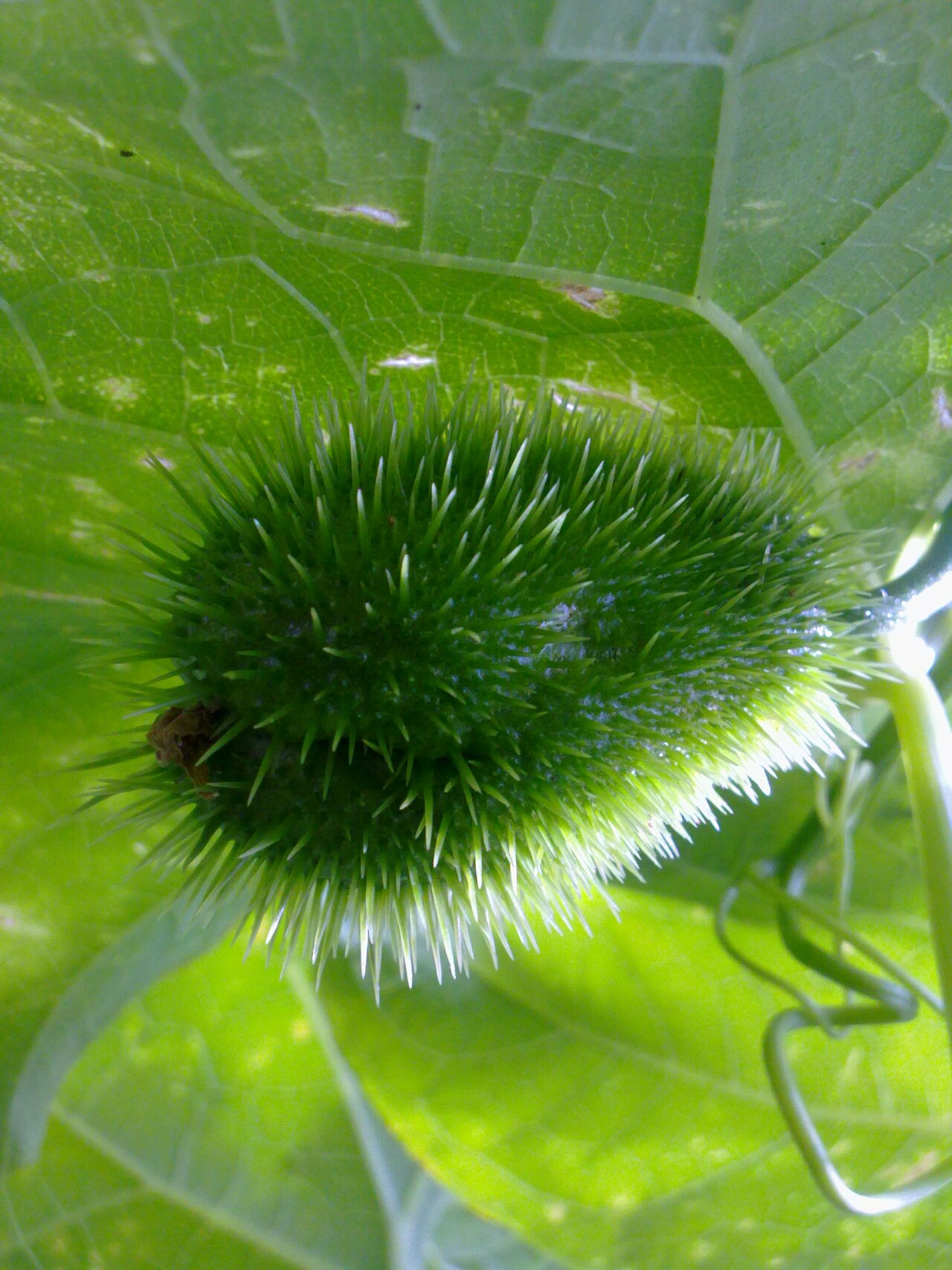
What it looks like
How to grow
Chayote (mirliton, vegetable pear) is a cucurbit with a party trick: you plant the whole fruit, sprout and all, and a single plant can produce 50–100 fruit in a good season. It is a staple across Mexico, the Caribbean, and the US Gulf South, and it is badly under-grown elsewhere simply because people have not met it.
Plant a whole sprouted fruit on its side, barely covered, after last frost — do not cut it up or peel it; the fruit is the seed packet. Give it the strongest support you have: an arbor, a fence, or a pergola. A chayote vine will happily cover a shed, and the fruit hangs below the leaves for easy picking.
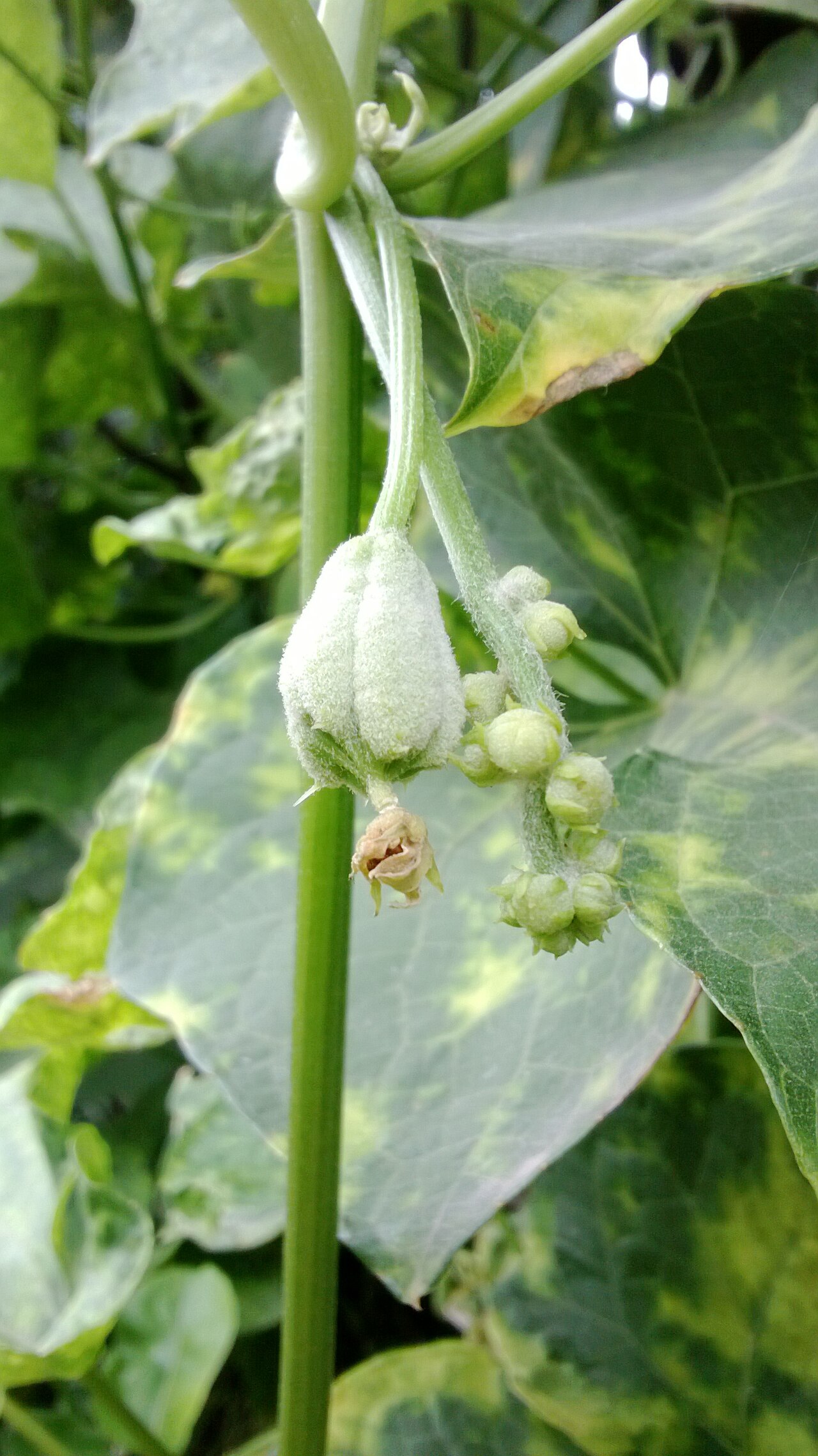
Chayote is day-length sensitive: it flowers as days shorten in late summer and fruits in fall, so northern gardeners with early frosts may get foliage and little fruit. In warm zones it is perennial — cut vines back after frost and the root regrows in spring. Male and female flowers appear on the same plant, and bees do the rest.
Water & feeding
Deep, regular water — 1–2 inches a week — especially once fruit sets; drought causes small, tough fruit. Work worm castings generously into the planting area and side-dress at flowering; castings carry a low burn risk and feed a vine that may run 30 feet. Mulch thickly to hold moisture over the shallow root system.
Common problems
- No fruit in short seasons: day-length and frost timing, not gardener error — in cool zones, start indoors early and choose the sunniest, warmest spot.
- Powdery mildew in humid weather: airflow on the trellis and watering at the base help; the vine usually outgrows it.
- Fruit rotting on the ground: trellis properly — ground fruit in wet weather spoils fast.
- Vine taking over everything: prune runners ruthlessly; chayote forgives hard pruning.
Harvest
Pick when fruit is full-sized (4–6 inches), firm, and light green, before it sprouts or hardens — usually a fall rush of fruit all at once, so have recipes ready. Peel (wear gloves if the sap bothers your skin), remove the single soft seed, and cook like summer squash: sautéed, stuffed, in soups, or pickled. Young shoots and tendrils are also edible cooked, like other squash tips.
Browse all plant & pest guides
Propagation
Chayote does not have a seed-saving section in the usual sense, because chayote seed refuses to be saved. The single flat seed inside each fruit is viviparous — a wonderful word meaning it germinates while still inside the fruit, often while the fruit is sitting on your kitchen counter, and sometimes while it is still hanging on the vine. There is no dry seed to clean, envelope, and file away until spring: pull the seed out of its fruit and it dries out and dies, and dry it on purpose and you have killed it faster. The fruit is the seed packet, and the whole fruit is what you plant.
So the propagation ritual starts at harvest time, not in spring. Set aside two or three of your best, unblemished, fully mature fruits — smooth, heavy for their size, not wrinkled or bruised — and hold them cool, around 50–55°F, where they will sit quietly for weeks. Left at warm room temperature they will sprout on their own schedule, which is fine too, as long as you are ready for them; the sprout is the point, not a problem.
When a shoot emerges, pot the whole fruit on its side in a roomy pot of moist mix, barely covered, with the shoot tip peeking out, and keep it warm and bright. The fruit feeds the young vine as it shrivels, so do not cut it open, peel it, or “help” the seed out — that help is fatal. After last frost, plant the sprouted fruit out at the foot of the strongest trellis you own, and in Florida’s zones 9–11 the vine may persist as a perennial where frost stays away; farther north, or after a hard freeze kills the top growth, you simply start again next year from a saved fruit — which is why you always set aside more than one.
Two footnotes. First, stem cuttings are a workable backup if no fruit is available, though the fruit method is so easy it is rarely needed. Second, the seed you do not plant is perfectly good eating — cooked with the flesh, it is mild and nutty, so nothing is wasted either way. Just remember the one rule that matters: never try to store chayote “seed” dry in a jar. That jar holds a dead seed and a gardener’s disappointment.
Varieties
Every named variety of Chayote with its own growing guide:
- Florida Green Chayote — The smooth green chayote of the state's own extension bulletins — the market type, grown in Florida for decades.
- Monticello White Chayote — The pale, mild white chayote — the other variety UF/IFAS names, gentler and a touch sweeter than the green.
- Perulero Chayote — The smooth Guatemalan chayote: small, round, spineless, and praised for superior flavor — the chayote that does not look like a chayote.