
🥬 Celeriac
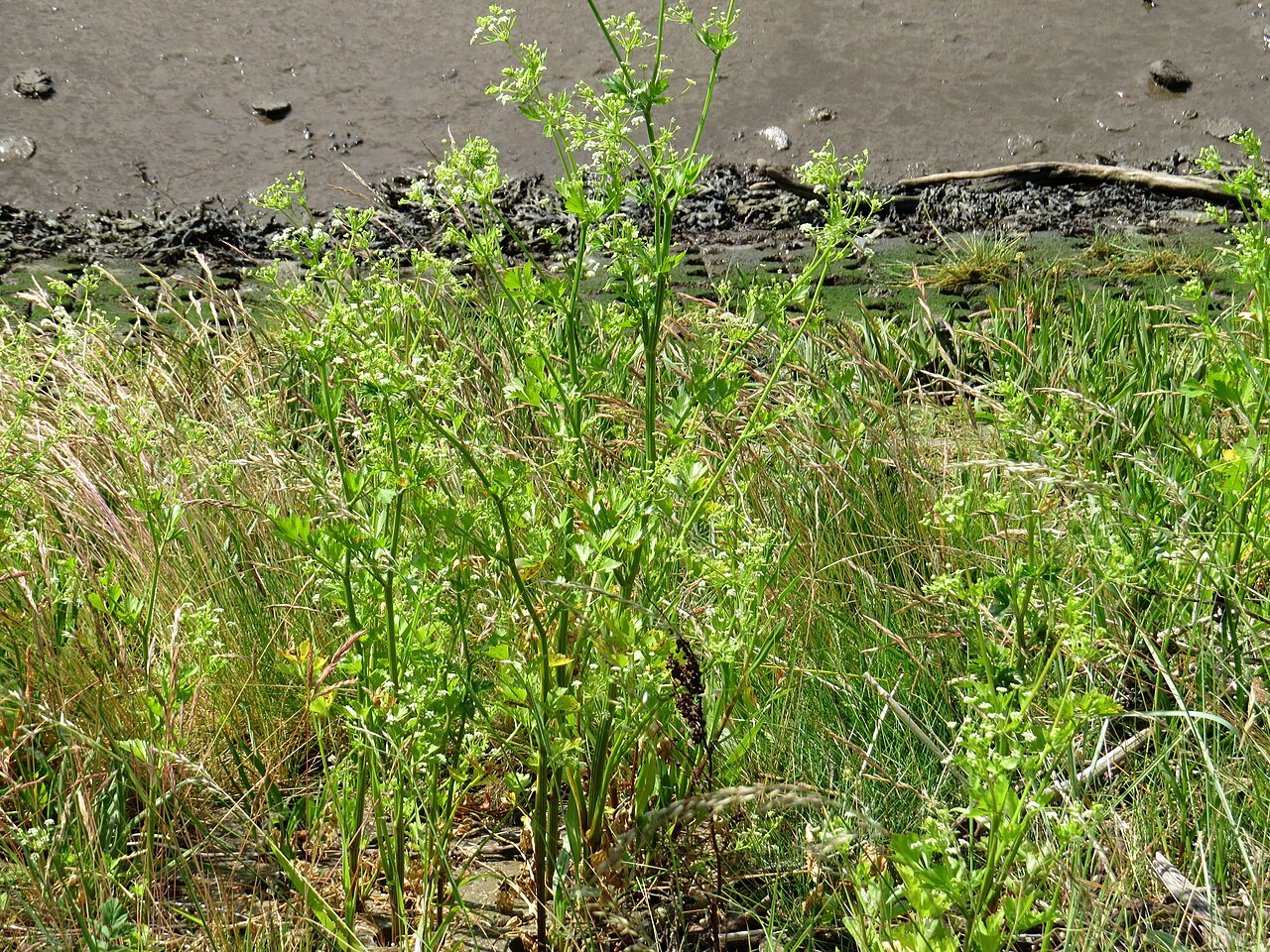
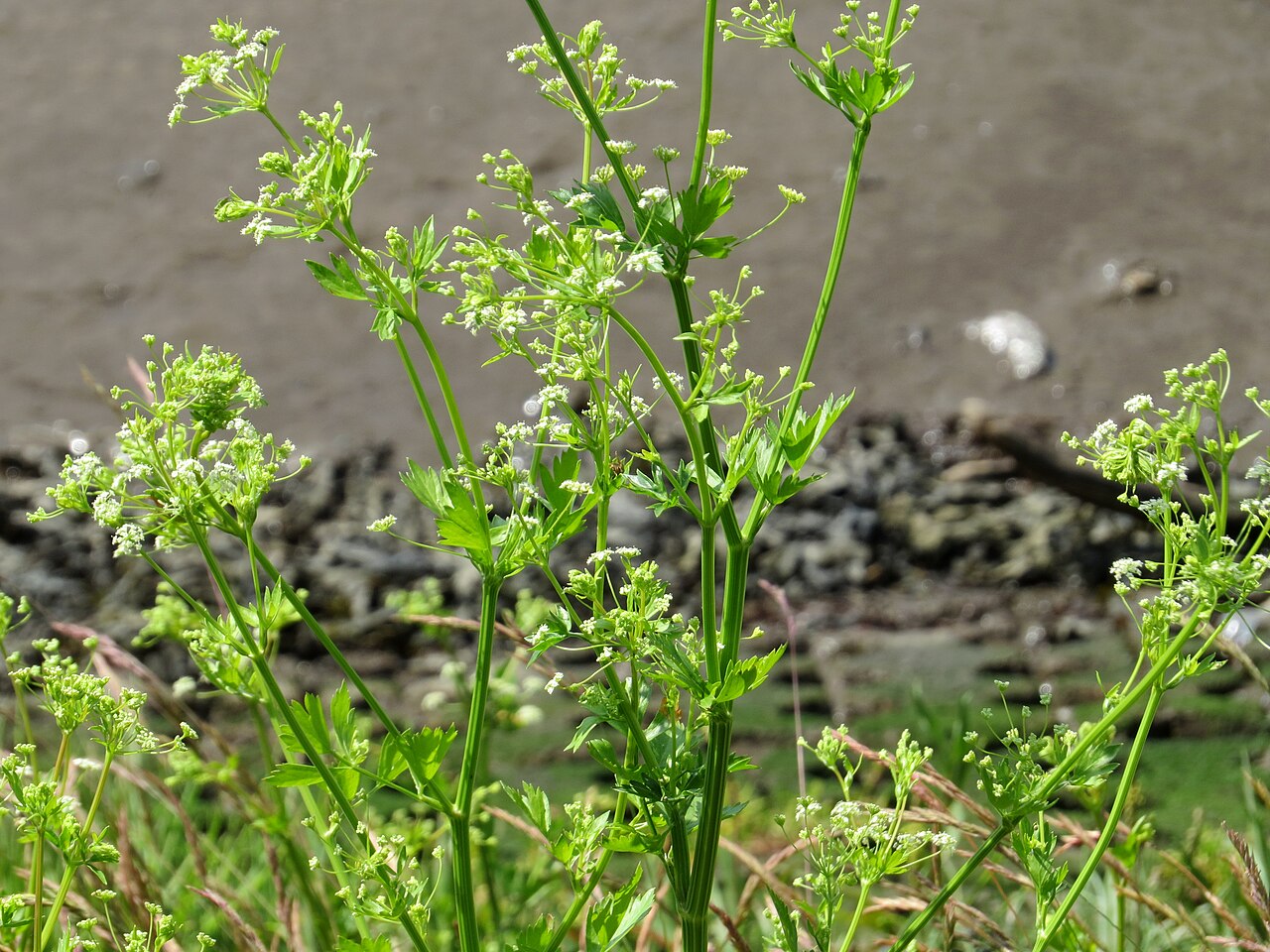
What it looks like

How to grow
Celeriac (celery root) is celery bred for a swollen, knobbly root instead of crisp stalks, and it is a different crop from celery in the ways that matter: hardier, less fussy about blanching, and harvested for a root that stores for months. The flavor is celery, concentrated and nutty — superb in soups, mash, and rémoulade.
Start indoors 10–12 weeks before last frost — celeriac is slow, and seed needs light to germinate, so press it onto the soil surface rather than burying it. Transplant after frost danger into rich, moisture-holding soil. The secret to a round root is steady moisture and no competition: weed, mulch, and keep the soil evenly damp all season.
As roots swell, trim side roots and pull soil away from the top of the root to encourage a round shape; some growers remove lower leaves to let the root size up. A light frost sweetens roots, but a hard freeze damages them, so harvest before the ground freezes solid.
Water & feeding
About 1–1.5 inches a week, kept even — dry spells make roots small, cracked, and hollow. Work worm castings into the bed at planting and side-dress mid-season; castings carry a low burn risk and improve moisture retention in exactly the way a shallow-rooted, thirsty crop needs. Mulch to hold moisture and keep soil cool.
Common problems
- Hollow or cracked roots: uneven watering or boron-poor soil — water evenly and add compost; a soil test settles the boron question.
- Celery leaf miner (blotchy leaf tunnels): remove affected leaves; row cover on young plants helps.
- Small roots: transplanted too late, crowded, or dried out — start early, space properly, and mulch.
- Bolting in a cold snap after transplanting: wait until nights are reliably mild before planting out.
Harvest
Lift roots when they reach 3–5 inches across, usually after a light frost in fall. Twist off leaves, trim roots, and store in a cool, damp spot (or the fridge) for months — celeriac is a storage crop, not a use-it-today crop. Peel thickly before cooking; the knobbly skin hides a pale, fragrant interior that cooks in about 20 minutes.
Browse all plant & pest guides
Saving seeds
Celeriac seed saving is a two-year commitment that starts with a sacrifice: the root you save seed from is the root you do not eat. Celeriac is a biennial, which means it spends its first season swelling that knobbly, nutty root, and only flowers and sets seed in its second season, after a stretch of cold called vernalization. Young plants become receptive to that cold once they have six to eight true leaves, and the chilling itself needs temperatures below about 50 degrees Fahrenheit, working fastest in the high thirties to high forties, for up to around ten weeks depending on variety. So choose your seed plants early, mark them clearly, and grow a group of them, a dozen plants of one variety is a good target for genetic diversity, rather than betting the whole variety on a single root.
Overwintering is where the plan either works or quietly fails. In mild-winter areas, leave the chosen roots in the ground, mulched or covered against frost. Where winters bite, lift the roots before the first hard frost, trim the tops back to a few centimetres above the crown, and store the roots in a cool, humid spot, around fridge temperature, checking through winter, then replant in spring once hard frosts have passed, burying the root mass up to the crown. Florida gardeners face the same awkward question as with cauliflower: the north of the state may deliver enough winter chill for some varieties, while frost-free southern Florida often will not, so a celeriac that never gets its cold spell will simply sit there, leafy and root-bound, and never flower at all.
In the second year the replanted roots throw up tall, branched stalks of tiny white flowers in compound umbels, and insects, bees, flies, and wasps among them, do the pollinating. The flowers shed pollen before their own stigmas are receptive, so cross-pollination is the norm and isolation matters. Celeriac crosses with stalk celery and leaf celery, all of them the same species, Apium graveolens, and with wild celery, and on rare occasions with parsley, so for seed you can trust, grow only one celery type for seed at a time. Published isolation distances disagree wildly, from a couple of hundred metres to a kilometre or more, so the practical home-garden rule is one type, or a cage, or cheerful acceptance of mystery seedlings. Let the seed ripen until most of the primary umbels have turned brown, but harvest before a windy or rainy spell shatters the lot onto the ground, because celeriac seed is notorious for shattering, then finish drying the heads in a dry, well-ventilated place.
Cleaning is a small-seed job: rub the dried umbels over sieves that keep the chaff, winnow the rest away with a gentle breath or a light breeze, and dry the seed thoroughly before storage. In Florida humidity, dry indoors until the seed is hard, then store it airtight with a desiccant packet in a cool, dark place. Well-stored celeriac seed commonly stays viable for around four to six years, with some references reporting up to eight or even ten, so label every packet with variety and year and test older seed on a damp paper towel before sowing a whole bed. And the hybrid honesty clause: seed from an F1 hybrid will not grow true, scattering into a mixed family that may or may not resemble the parent, while seed from open-pollinated heirlooms, Giant Prague among them, will. Save from the heirlooms if you want next year’s roots to taste like this year’s, and let the hybrids be dinner.
Varieties
Every named variety of Celeriac with its own growing guide:
- Giant Prague Celeriac — The 1871 heirloom — large, knobbly roots, mild nutty flavor, and a legendary keeper.
- Brilliant Celeriac — The smooth, vigorous Dutch celeriac — big white roots with few markings, ready in 110 days.
- Monarch Celeriac — The smooth, heavy celeriac — large, round, tankard-shaped roots with white, nutty flesh that stores beautifully.
- Diamant Celeriac — The smooth white celeriac — a popular, mild, sweet-rooted type from a major seed house, ready in 115 days.
- Mars Celeriac — The large, round celeriac — big roots with a sweet, mild flavor, ready in about 120 days.
- President Celeriac — The hybrid celeriac — large, smooth roots with a sweet, mild flavor, in 110 to 120 days.