
🟡 Ground Cherry
What it looks like

How to grow
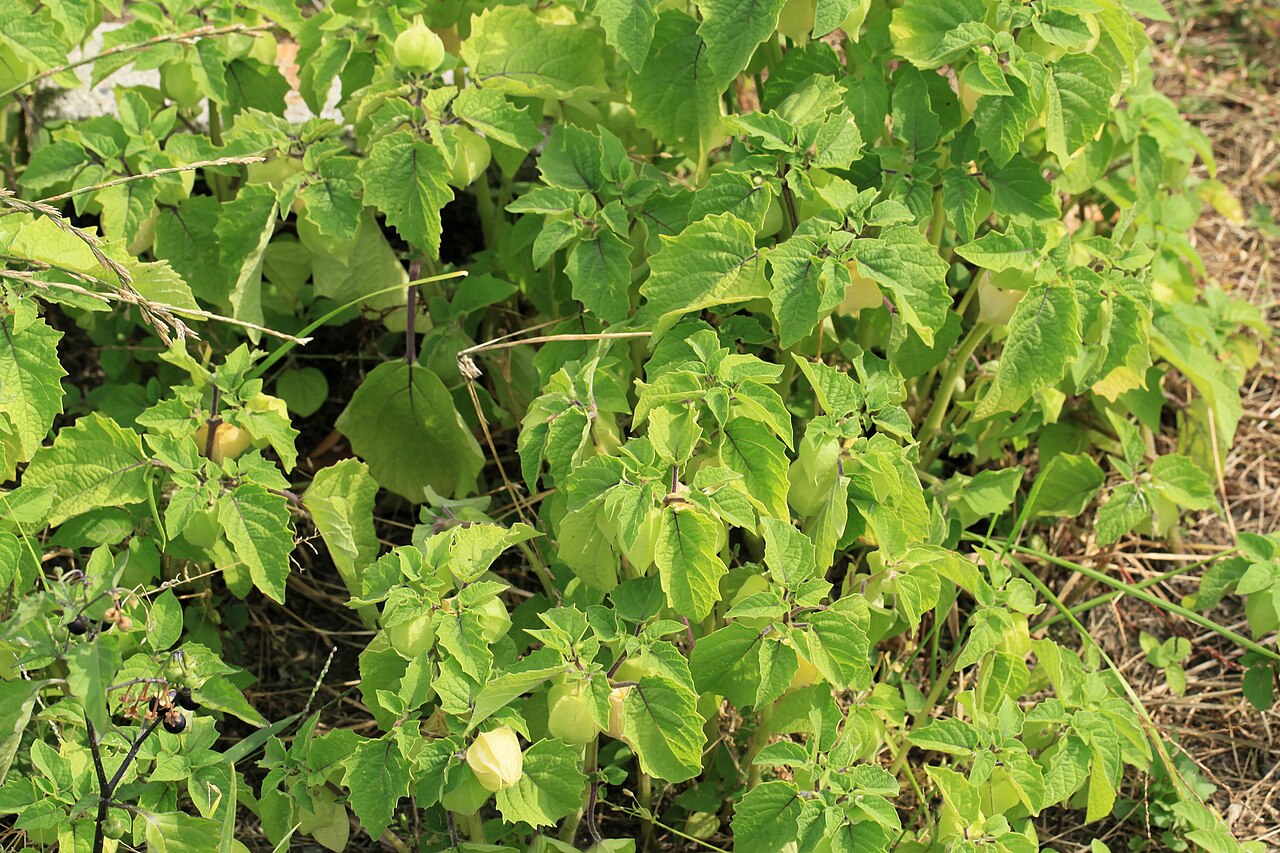
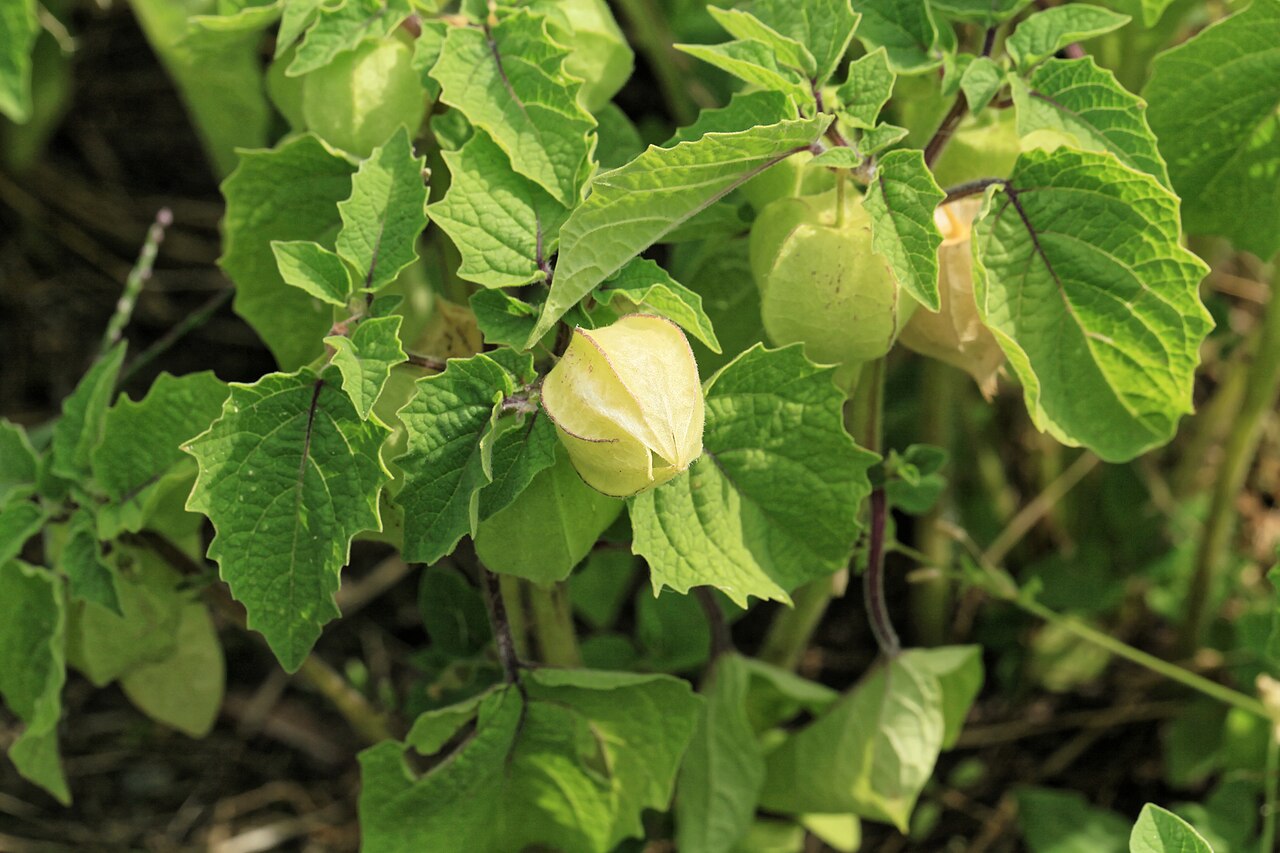
Ground cherries are low, sprawling annuals in the tomato family that produce small, golden berries inside papery husks — and the plant tells you when they are ripe by dropping them on the ground, which is either convenient or untidy depending on your outlook. Start seeds indoors 6–8 weeks before the last frost (they germinate slowly and want warmth) or buy transplants, and set out after all frost danger in rich, well-drained soil. Mulch underneath so fallen fruit stays clean. Plants sprawl to 2 feet tall and 3 feet wide, so give them room or a low support. Ground cherries self-seed enthusiastically — expect volunteers next year, and treat them as a gift, not a weed, unless they are in the path.
Water & feeding
Steady moisture during growth and fruiting; ground cherries tolerate some drought but fruit better with regular watering. Mulch to hold moisture and keep dropped fruit clean. Feed lightly — overfertilizing produces sprawling vines with fewer fruit.
Common problems
- Flea beetles on young plants — row covers until plants are established
- Fruit rotting on wet ground — mulch thickly under sprawling plants
- Self-seeding volunteers everywhere next year — thin or transplant them
- Hornworms and other tomato-family pests in some regions — hand-pick
Harvest
Gather fallen fruit from the mulch when the husks have turned tan and papery and the berries inside are golden — fruit still on the plant in a green husk is not ripe. Husk and eat fresh, or make jam, pies, and salsa; the flavor is sweet-tart with pineapple and vanilla notes.
Browse all plant & pest guides
Saving seeds
Ground cherry seed saving starts with a warning that belongs at the top, not buried in the footnotes: eat only fully ripe berries. The husks, the leaves, and the green, unripe fruit are not food, and this is a nightshade cousin, so the ripe-only rule is not fussiness, it is chemistry. Once that is settled, the good news is that ground cherries are among the most forgiving seed-saving plants in the garden, because they tell you when they are ripe by dropping to the ground. Collect fallen fruit whose husks have turned tan and papery and whose berries inside are golden. Fruit still hanging in a green husk is not ripe, and seed from under-ripe fruit is seed you will regret.
For seed, let the fruit go a step beyond eating ripeness. Pick the best plants — vigorous, productive, disease-free — and save from several, not just one champion, so the next generation keeps some genetic breadth. Husk the berries, mash pulp and seed into a jar, add a little water, and ferment loosely covered in a warm spot for two to three days, stirring daily. Fermentation dissolves the gelatinous coat around each seed that inhibits germination, and it helps knock back seed-borne disease. Then add more water, stir, and let it settle — the good, viable seeds sink, while pulp and immature seeds float and can be poured away. Rinse the sinkers in a fine sieve, then spread them in a single layer to dry.
Drying is where Florida gardeners earn their seed-saving badge. Spread the seed thinly, keep it out of direct sun, and let it dry for a week or two until the seeds are hard and cannot be dented with a fingernail — in humid air that takes longer than the packet suggests, so do not rush it into a jar while it is still soft. Once truly dry, store the seed in a labelled envelope inside an airtight container with a desiccant, kept cool, dark, and dry; a refrigerator is a fine home for it. Well-stored ground cherry seed is long-lived, and sources disagree about exactly how long — figures in circulation range from a few years to the better part of a decade — so plan on a solid four to six years as a working expectation and sow a few extra seeds from older packets.
Isolation is the part most home gardeners skip, and it is the part that decides whether your saved seed grows true. Ground cherry flowers are self-fertile, so one plant can set seed on its own, but bees will happily carry pollen between varieties, and different ground cherry varieties will cross. Published isolation distances disagree — sources give anything from a few hundred feet to a much longer field-scale distance — which in a home garden translates to one practical rule: grow one variety for seed, or bag a few blossoms before they open and hand-pollinate them, and mark those fruits for seed. Seed saved from an open-pollinated heirloom variety, properly isolated, will generally grow true; seed saved from a hybrid will segregate, giving you a lucky dip rather than a copy, so do not save hybrid seed expecting the same plant back. And the self-seeding caution: every fallen berry you miss is a volunteer next spring. Pick up strays, do not compost fallen fruit you do not want back, and enjoy the volunteers you do want as free plants — on your terms, not the plant’s, because a ground cherry left alone will happily turn a tidy bed into a ground cherry farm.
Varieties
Every named variety of Ground Cherry with its own growing guide:
- Aunt Molly's Ground Cherry — The Polish heirloom ground cherry — pineapple-sweet, early, and the one to start with.
- Goldie Ground Cherry — The big, consistent ground cherry — larger fruit, steadier size, and the jam-maker's pick.
- Cossack Pineapple Ground Cherry — The pineapple-flavored ground cherry — small fruit, bright flavor, and a heat-tolerant plant.