
🟣 Beach Plum
What it looks like
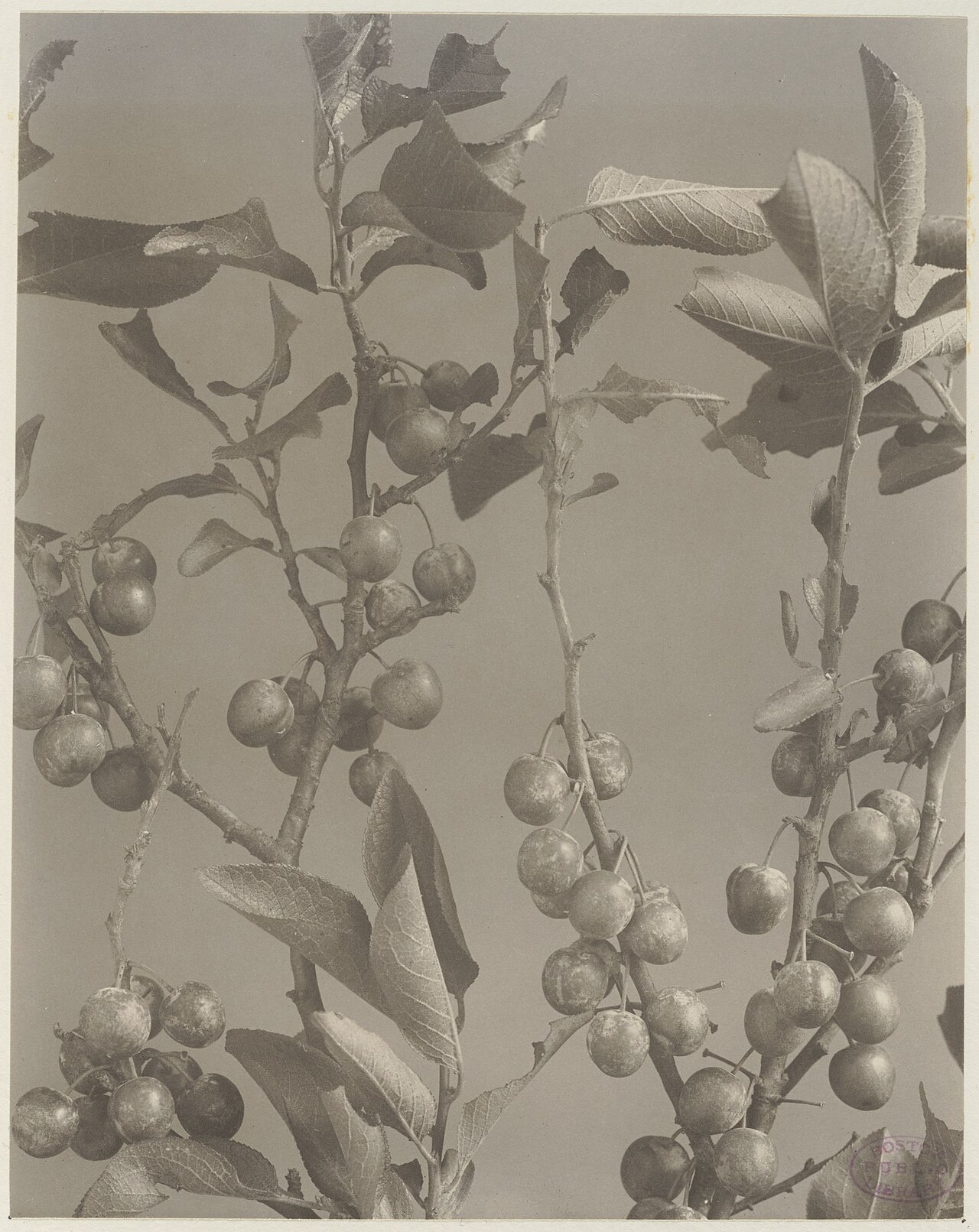
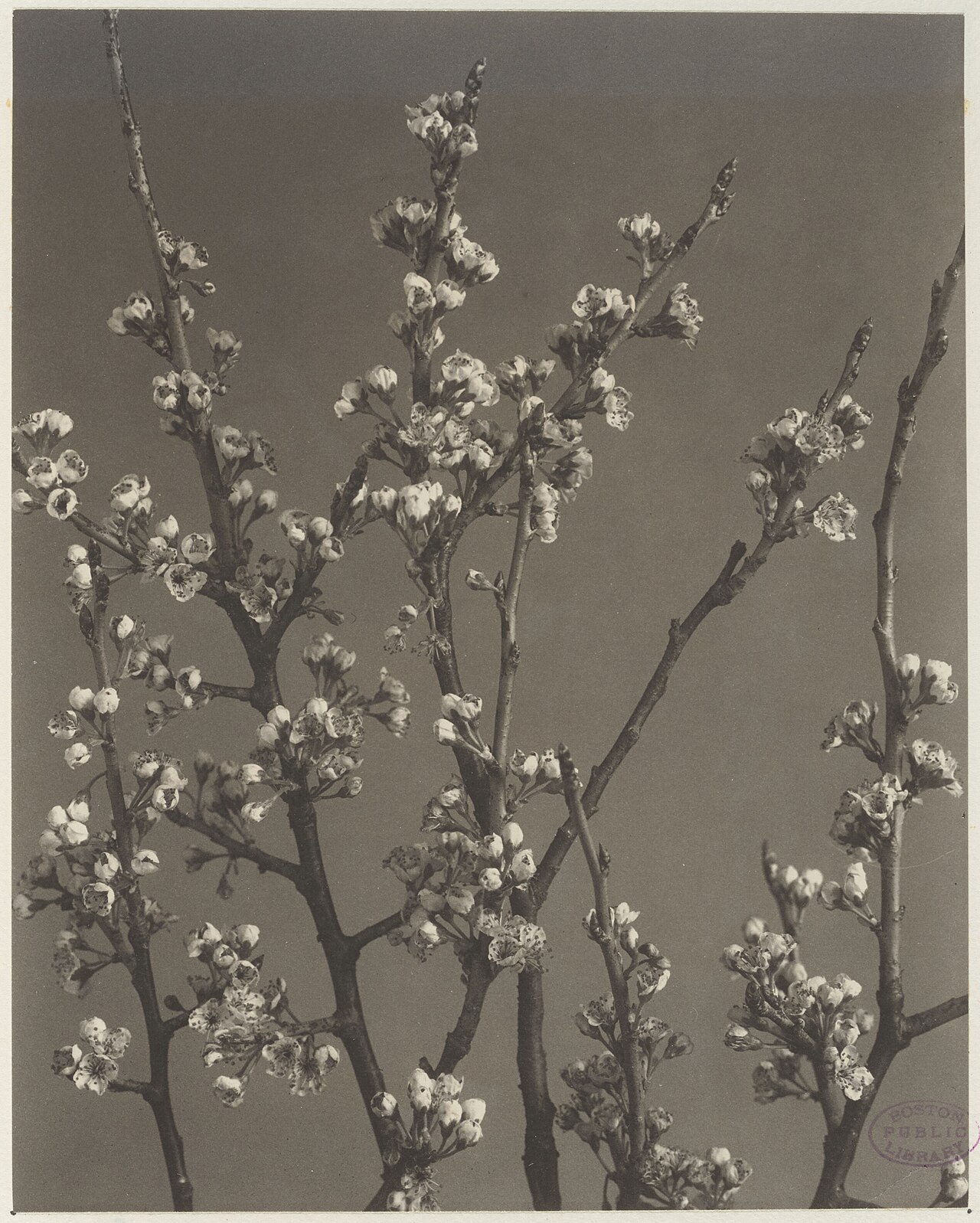
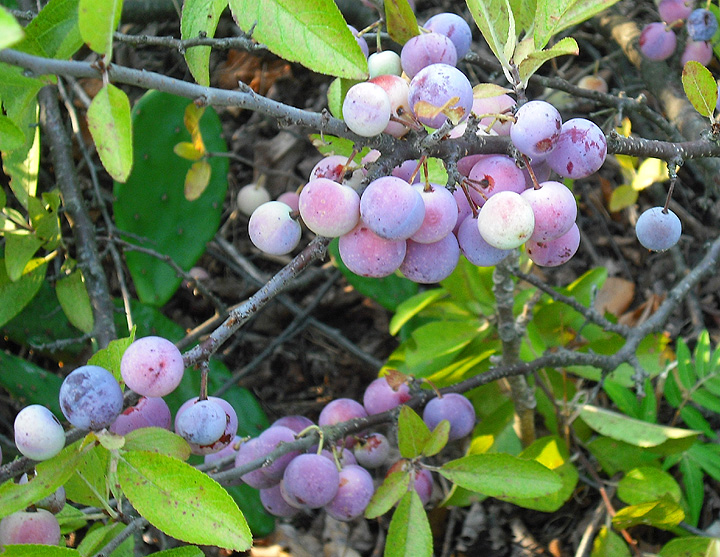
How to grow
Beach plum is a native shrub plum of the Atlantic coast, from Maine to the mid-Atlantic, that grows in sand dunes and coastal thickets where most fruit plants would give up. In a garden, it is a tough, rounded shrub (4–8 feet) that tolerates poor, sandy soil, salt spray, and cold — but it also grows perfectly well inland in ordinary soil, as long as drainage is good. Beach plums are generally not self-fertile, so plant two or more genetically different plants for cross-pollination. Seedlings vary in fruit size and sweetness, so buy named selections (‘Ecos’, ‘Jersey’) or plant several seedlings and keep the best. Prune lightly after fruiting to keep the shrub open; beach plums fruit on a mix of old and new wood, so do not shear them like a hedge.
Water & feeding
Water during establishment; mature plants are drought-tolerant once rooted, especially in sandy soil. Mulch to hold moisture in the first years. Little fertilizer is needed — beach plums evolved for lean soil, and rich feeding produces leaves, not plums.
Common problems
- Pollination failure from a lone plant — plant two or more different selections
- Birds — net if you want jam, since birds find beach plums exactly when you do
- Black knot in humid regions — prune affected branches well below the swellings
- Variable seedling fruit — named selections or planting several seedlings solves this
Harvest
Pick when the fruit is fully colored (purple, red, or yellow depending on the plant) and soft — taste before stripping the bush, since ripeness varies by plant. Beach plums are tart-sweet and superb for jam, jelly, and wine, where their wild flavor beats cultivated plums outright.
Browse all plant & pest guides
Saving seeds
Beach plum (Prunus maritima) is the rare fruit shrub where the seed-saving advice starts before you ever touch a fruit: plant two or more genetically different shrubs. Beach plums are generally not self-fertile, so a single shrub, however floriferous, may set little or nothing worth saving. Seed from a properly cross-pollinated planting is a different story, and the jam that results is, by every coastal gardener’s account, worth fighting the birds for.
Collect fully ripe fruit in late summer, enjoy the flesh however you like, and save the pits — with one plain safety warning. Beach plum pits, like the pits of other stone fruits, contain cyanogenic compounds and are toxic if eaten, so do not chew them, do not let children or pets gnaw them, and do not let the romance of a wild harvest override that sentence. Clean the pulp off the pits, let them dry briefly, and discard any that float in water — floaters are usually duds. What remains is a hard-shelled pit with one seed inside, wearing dormancy like armour.
Breaking that dormancy is where the sources disagree, and you deserve to hear it plainly rather than be handed a false precision. Recommendations for cold, moist stratification run from about a month to about five months, and some accounts even describe a double stratification. The practical approach is to plan on the long end: mix clean pits with damp (not soggy) peat moss or sand, seal them in a bag or jar, and refrigerate them for several months, checking now and then for roots. Root tips mean dormancy is broken and the pits are ready to sow. Alternatively, sow outdoors in autumn where winters are genuinely cold and let winter do the work — but mild winters can stall the process and delay germination by a whole growing season, so in warm climates the refrigerator is the more reliable winter. Sow about an inch deep in well-drained mix, protect the sowing from mice and other rodents with fine mesh, and be patient: some pits come up the first spring, others take a second season, and slow, staggered germination is normal for this species, not a failure on your part.
Expect variation, and plan for it. Seedlings differ in fruit size, flavour, and sweetness, which is why named selections will not come true from seed — a seedling of a named variety is a new plant with its own opinions, not a copy. The gardener’s move is to plant several seedlings, fruit them, and keep the best, which takes a few seasons: young shrubs commonly begin fruiting after three or four growing seasons. In Florida, where this zones 3–8 coastal shrub is already outside its happiest range, dry pits thoroughly before any storage, keep them airtight with a desiccant, and store them cool and dark; Florida humidity rots stored seed faster than a cold winter ever would.
Varieties
Every named variety of Beach Plum with its own growing guide:
- Eastham Beach Plum — The heavy-cropping beach plum selection: large, well-flavored fruit on a shrub that thrives in sand, salt, and neglect.
- Hancock Beach Plum — The early beach plum: sweet, juicy, golden-fleshed fruit that ripens before the birds finish their committee meeting.
- Squibnocket Beach Plum — The high-quality beach plum that also holds sand: excellent fruit on a shrub that binds dunes and shrugs off salt.
- Premier Beach Plum — The top-rated beach plum: selected for the highest field ratings on Plum Island — fruit quality judged in the field, not the catalog.