
🌲 Fir
What it looks like
How to grow
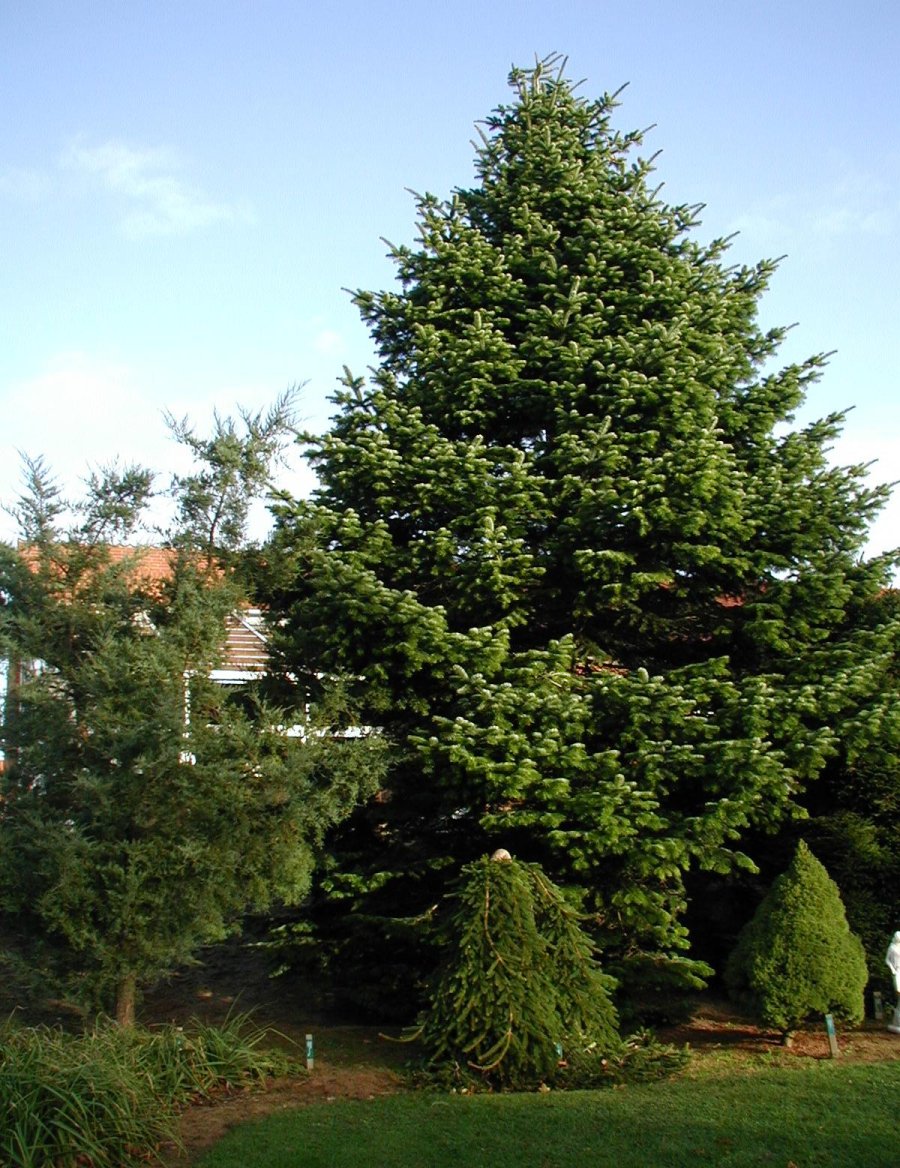
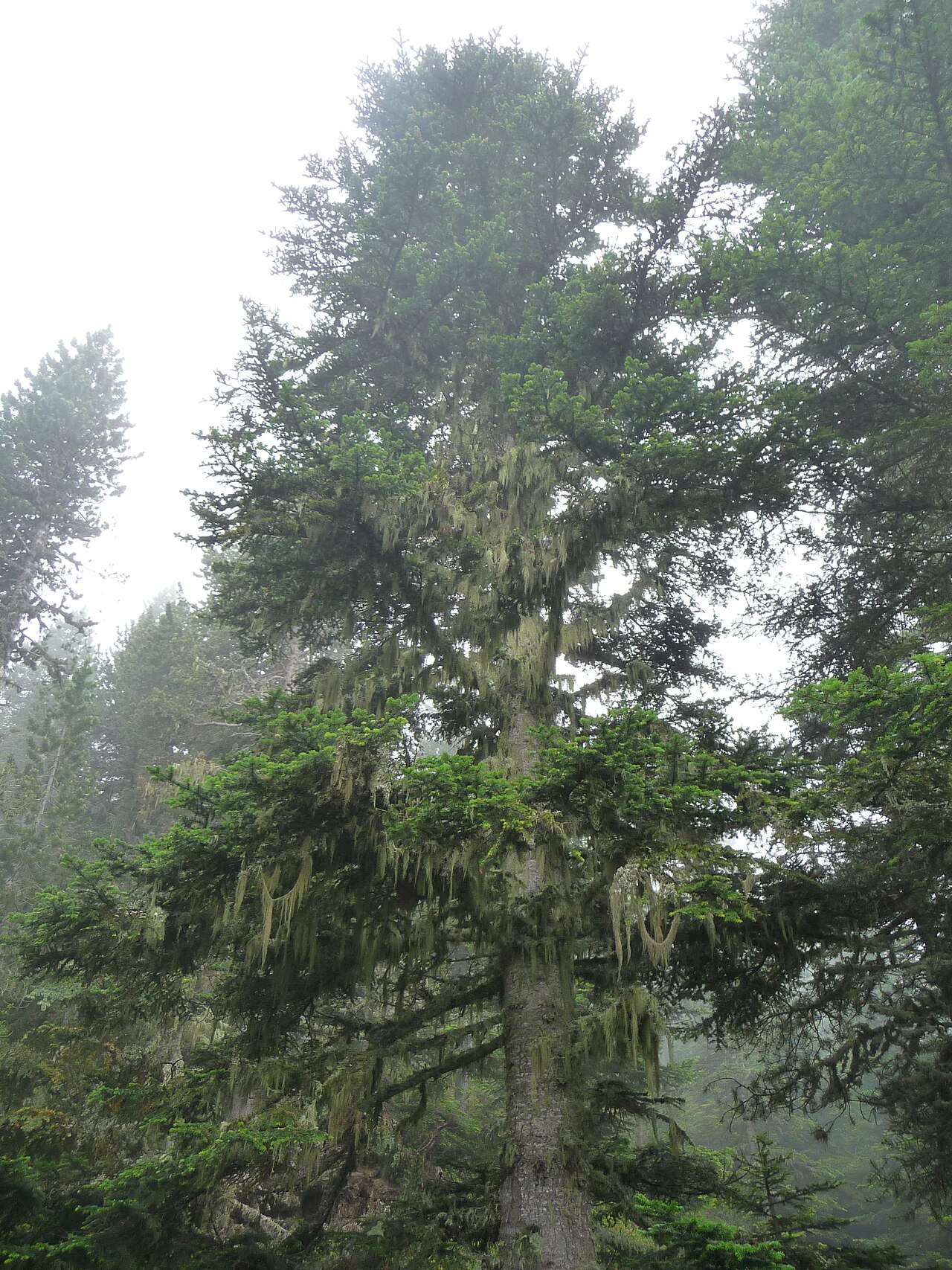
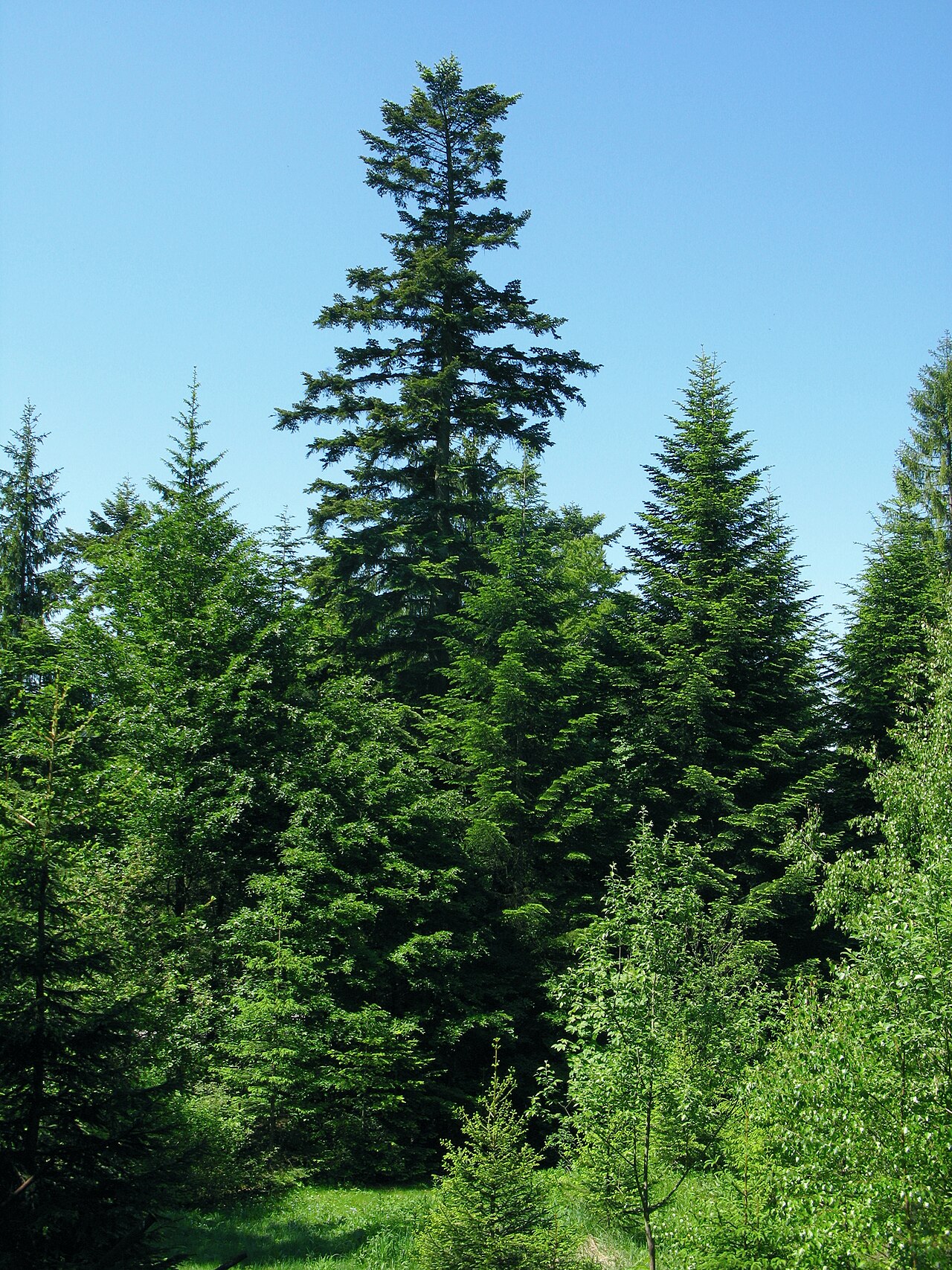
Fir is a genus of evergreen conifers with soft, flat needles, smooth bark with resin blisters, and upright cones that disintegrate on the tree rather than falling whole. Garden firs include balsam fir (Abies balsamea, zones 3-5), Fraser fir (Abies fraseri, zones 4-7, the classic Christmas tree of the southern Appalachians), white fir and Nordmann fir, each with its own climate limits — so always buy a species that suits your zone and summer heat, not just your winter cold. Plant in full sun to partial shade in cool, moist, well-drained, acidic to neutral soil, sheltered from drying wind, and give it room: even a modest fir reaches 40-70 feet. Firs hate heat, drought and polluted city air, and they are not trees for the hot Southeast.
Water & feeding
Water deeply and consistently, especially the first two years and in dry spells; firs need steady moisture and suffer quickly in drought. Mulch thickly to keep roots cool and moist, and feed only if growth is weak — compost in spring is enough.
Common problems
- Heat and drought stress — the commonest fir killer in gardens; site for cool, moist conditions or choose another conifer.
- Balsam woolly adelgid and spruce budworm — scout regularly and treat early in susceptible regions.
- Root rot in wet, poorly drained soil — drainage must be good, even though firs like moisture.
- Needle cast and rust in humid, crowded sites — space for air and avoid overhead watering.
Saving seeds
This section describes the genus-level method for firs — Abies as a group — because this is a genus guide, and fir species differ in the details. The broad strokes below hold across the genus: upright cones, winged seeds, and a winter’s cold required before germination. But stratification length, cone timing, and germination vary by species and seed lot, so treat the ranges here as genus-level guidance, not a promise for any single fir.
Collecting fir seed starts with looking up. Fir cones stand upright on the branches like candles, and they do not drop whole the way pine cones do — they disintegrate on the tree, scale by scale, releasing their winged seeds to the wind. So collect before the cone falls apart: in late summer to fall, when the cones are mature and the scales are just beginning to loosen, gather cones directly from the tree. Lay them somewhere warm and dry until the scales open and the seeds shake free, then clean away the wings and chaff by hand or with a gentle winnowing. Expect a fair number of empty seeds — firs are notorious for them — and a simple soak helps you sort: viable seeds generally sink, while empties float, though this is a rough screen, not a laboratory test, so do not discard a whole lot on one float.
Fir seed is orthodox seed: dried and kept cool and dry, it stores reasonably well, and several species are reported to hold good germination for a few years in sealed, refrigerated storage. Dry the cleaned seed thoroughly, seal it in a labeled jar with a desiccant packet, and keep it cool and dark; in Florida humidity, an unsealed envelope in a warm room is a short road to dead seed. But do not sow fir seed straight from the jar and expect much. Like most temperate trees, firs carry dormancy that only winter breaks. Mix the seed with barely moist sand, peat, or vermiculite, seal it in a bag, and refrigerate it for a cold, moist stratification — typically one to three months across the genus, with many species falling in the 60-to-90-day range. Check the bag occasionally and pick out any moldy seed before it spreads.
After stratification, sow in spring in a well-drained, slightly acidic seed-starting mix, barely covering the seed, and keep it consistently moist but never waterlogged — damping-off, the fungal collapse of seedlings at the soil line, is the classic fir-nursery heartbreak, and good air circulation is your best defense. Germination is slow and uneven, often taking several weeks to a few months, and the seedlings are slow growers that will spend their first year or two in pots before they are ready for the landscape. Two honesty notes close the story. First, seedlings do not grow true: a seedling from a named cultivar — a blue-needled form, a dwarf, a weeping shape — will revert toward generic fir, so named forms must be grafted or cut from the parent to stay themselves. Second, a Florida note: firs as a genus are cool-climate trees, mostly hardy in zones 3 through 7, and most species struggle with Florida heat and humidity no matter how lovingly you stratify. Saving fir seed in Florida is mostly an exercise for the cool-climate gardener, the Christmas-tree dreamer, or the collector with a mountain cabin — and that is fine. A seed saved honestly, with its limits stated, beats a seed saved with a promise the climate cannot keep.
Notes
Fir is the Christmas tree of choice for many families because its soft needles hold well and smell wonderful, and Fraser fir in particular is grown commercially across the Appalachians. In a garden, a fir is a formal, fragrant evergreen screen or specimen for cool climates — and a reminder that not every beautiful conifer wants to live in Florida.