
🫘 Adzuki Bean
What it looks like
How to grow
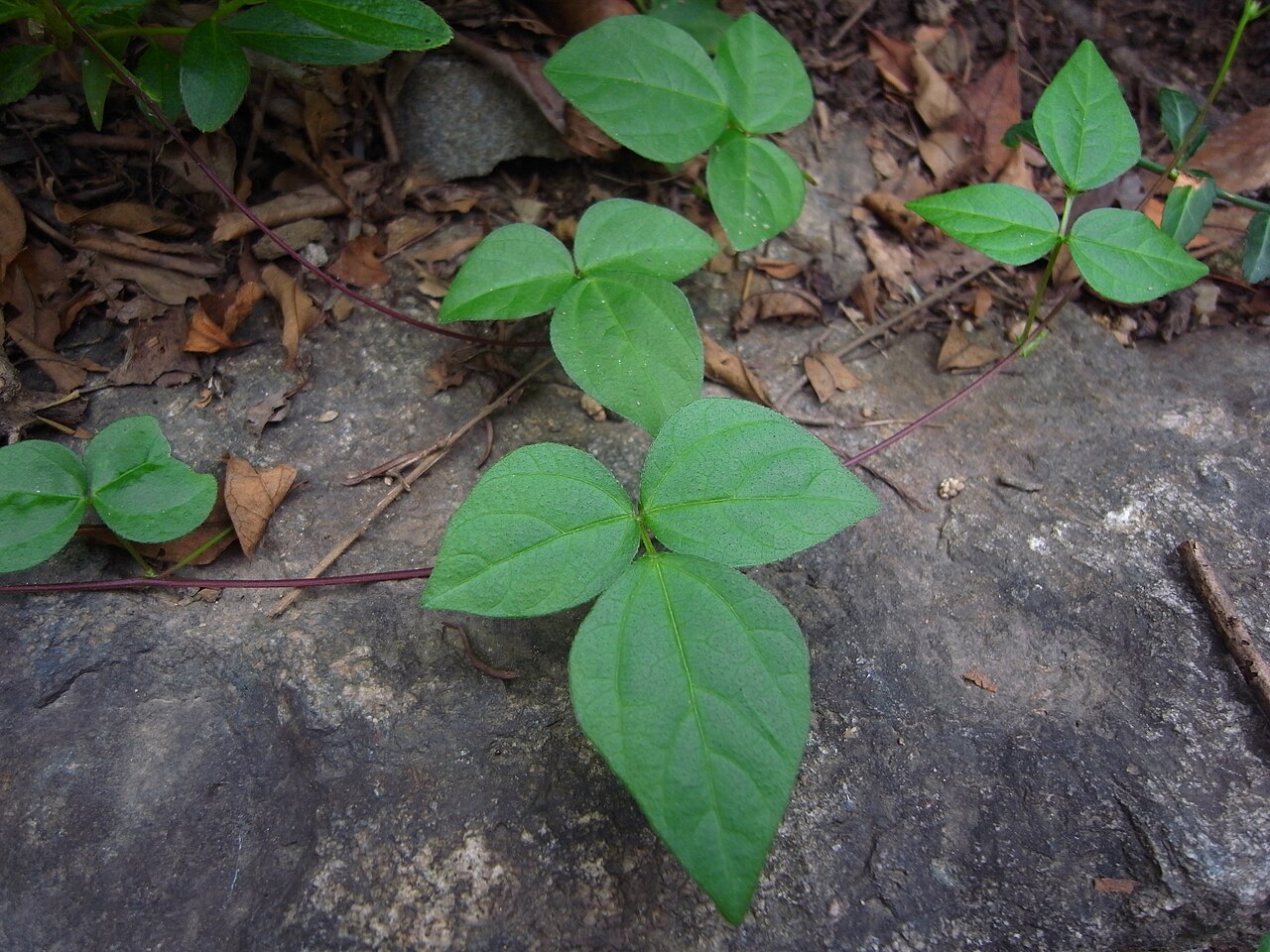
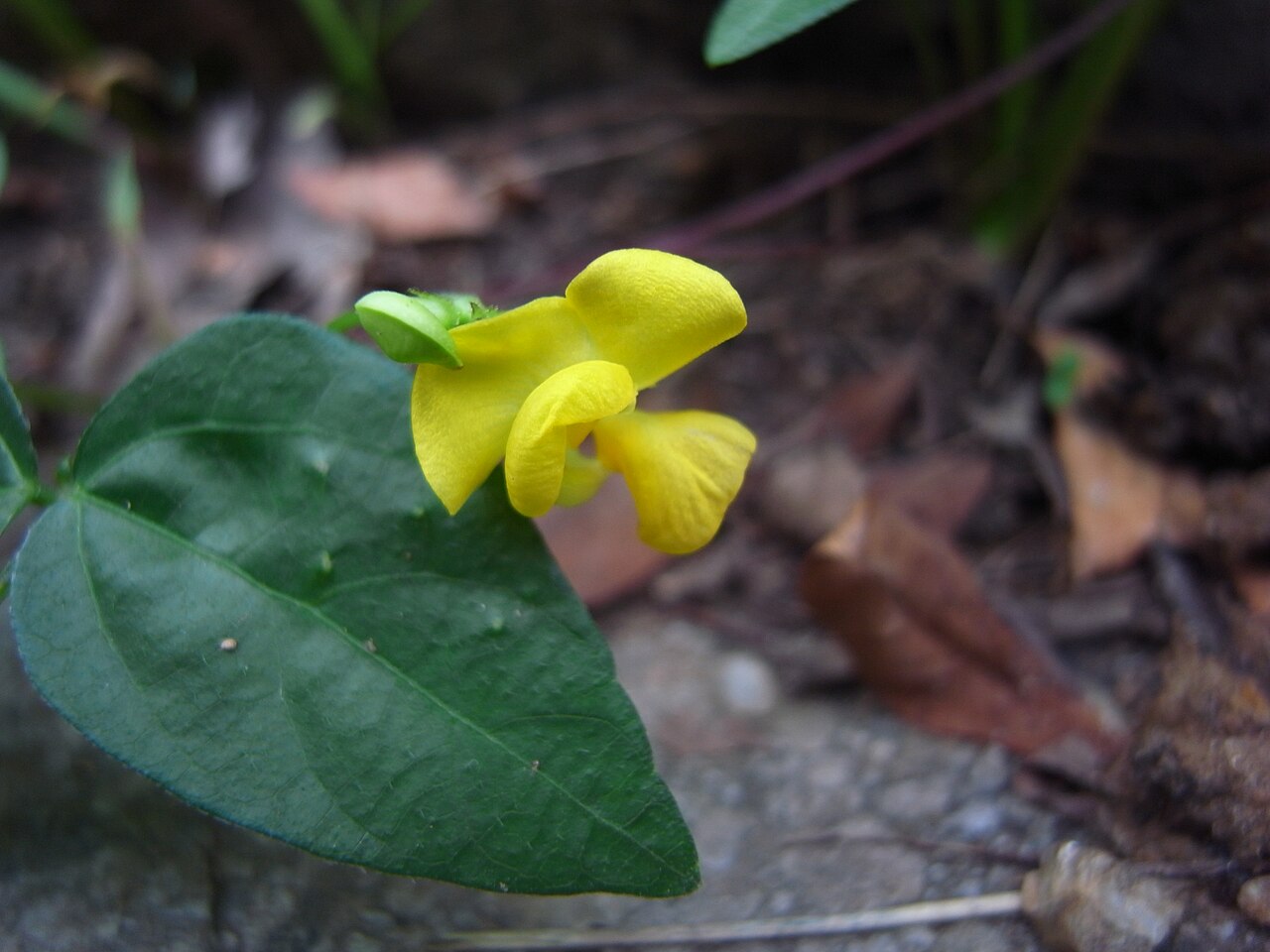
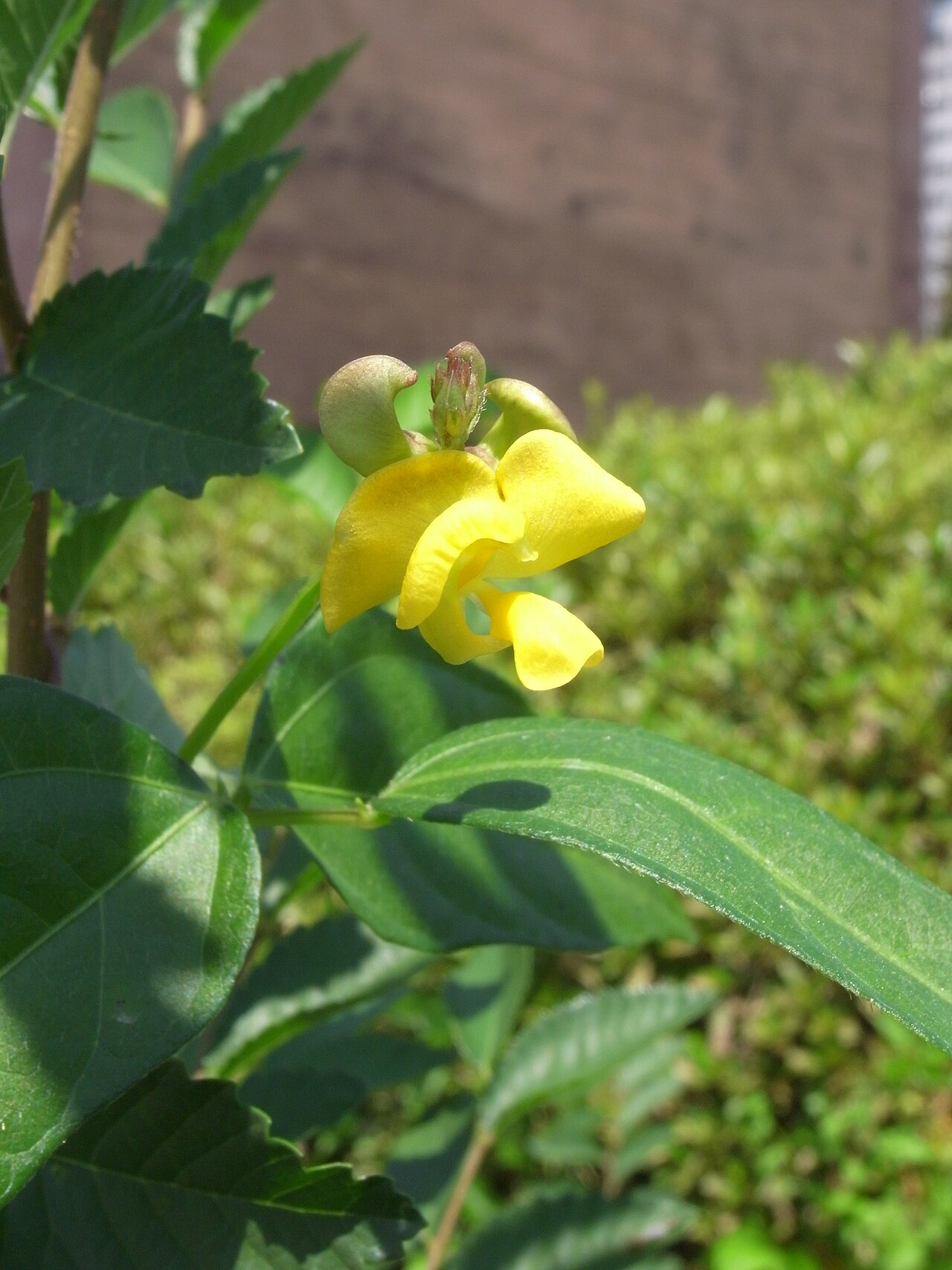
Adzuki beans (also spelled azuki) are small, bushy, warm-season legumes grown for dry red seeds used across East Asian cooking, from soups to sweet red bean paste. Direct-sow after the last frost, when soil is 65–85°F — cold, soggy soil rots seed and slows emergence to 20 days — planting about an inch deep. Plants are short and bushy, 1–2 feet tall, and many varieties are short-day plants, flowering as days shorten, so choose varieties suited to your latitude. Inoculate seed with the appropriate Rhizobium on ground where adzuki has never grown. Adzuki competes poorly with weeds, so start with a clean bed and weed early.
Water & feeding
Keep soil moist but not soggy, and avoid wetting foliage. As a nitrogen-fixing legume, adzuki needs little nitrogen fertilizer; compost at planting and phosphorus and potassium if soil tests show a need. Do not overwater late in the season — dry pods are the goal.
Common problems
- Cold soil — wait for warm soil; emergence is slow below 55°F.
- Weed competition — the top yield-killer for adzuki; weed early and mulch.
- Aphids and leafhoppers — row cover early, insecticidal soap if needed.
- Pods shattering — harvest promptly when pods are dry and rattling.
Harvest
Harvest when pods are dry and rattling, about 80–100 days after sowing, and shell beans for storage in airtight jars for up to a year. Dry beans fully before storing — any dampness invites mold. Cook adzuki like other dry beans, soaking first for even cooking; unlike some beans, adzuki is also used sweetened, for anko paste, red bean soup, and desserts.
Browse all plant & pest guides
Saving seeds
Adzuki beans are one of the kindest plants a seed saver can meet, because the food and the seed are the same thing. You are not coaxing a biennial through winter or fermenting a slimy tomato; you are simply letting a bean finish what it was already doing. Leave a few of your best plants, or a few pods on each plant, alone at harvest time and let those pods dry fully on the vine until they are brown, papery, and rattling when you shake them. The beans inside should be hard and their deep red color fully developed. Save from healthy, productive plants, not from the runt at the end of the row, because every generation you save is a quiet vote for the plants you want more of.
In Florida, humidity is the complication, and it is worth planning around. If autumn rain or heavy dew threatens to mold pods before they finish drying on the vine, cut whole plants and hang them upside down in a dry, airy spot indoors, or pull the pods and finish them on a tray with airflow, out of direct sun. Do not jar anything that still feels soft, bends instead of snapping, or smells even faintly musty. Shell the dry pods by hand or by threshing them gently in a bag, winnow away the chaff by pouring the beans slowly from one container to another in a light breeze, and discard any beans that are cracked, shriveled, moldy, or bored through by insects. A bean that shatters instead of denting when you press a fingernail into it is dry enough to store.
Store the clean, fully dry beans in an airtight jar in a cool, dark place, and if your house runs humid, add a small desiccant packet to the jar. In Florida that airtight step is not optional garnish; it is what keeps a dry bean dry. If bean weevils are a known problem where you store seed, one useful precaution is to freeze the fully dry beans for a few days before jarring them, which kills weevils hiding inside the beans, then let the jar come back to room temperature before sealing it so condensation does not undo your drying work. Only freeze beans that are already thoroughly dry, or you will damage the very seed you are trying to protect.
Adzuki, Vigna angularis, is largely self-pollinating, which means crossing between varieties is uncommon and you do not need elaborate isolation to keep a variety reasonably pure, though if purity truly matters, save from plants grown apart from other adzuki varieties rather than from a tangled mixed row. Open-pollinated and heirloom varieties grow true from saved seed when kept reasonably pure, while seed from an F1 or hybrid variety will not grow true, so check what you planted before you save. Properly dried adzuki seed usually stays viable for a few years in cool, dry storage, but use your freshest seed first and sow older seed a little thicker, or test a handful on a damp paper towel before committing a whole bed to it. Label the jar with the variety and the year, because a jar of small red beans all look like dinner, and only the label knows which ones are next year’s crop.
Varieties
Every named variety of Adzuki Bean with its own growing guide:
- Hokkai Adzuki Bean — The northern adzuki — from Japan's cool island of Hokkaido, maturing earlier than most of its kin.
- Takara Adzuki Bean — The most widely grown adzuki in the Upper Midwest — a Japanese import with a long, proven track record.
- Wase Adzuki Bean — The early adzuki — a compact, fast-maturing heirloom from Kyoto that beats the season.
- Dainagon Adzuki Bean — The premium large adzuki: big, deep-red grains made for coarse bean paste, candied beans, and celebration rice.
- Erimo Shozu Adzuki Bean — Japan’s most widely grown adzuki: uniform grains that hold together in cooking — the smooth-paste standard.