
Localized Leaf Spot or Mechanical Damage: Disease, Accident, or Both?
You walk out to the garden with your morning coffee, glance at a favorite plant, and there they are: spots. Ugly, blotchy, definitely-not-supposed-to-be-there spots on leaves that looked fine yesterday. Your first instinct is to panic, grab the spray bottle, and declare war on some fungus. Hold on. Before you declare war on anything, you need to answer one gloriously unglamorous question: did something infect this leaf, or did something just happen to it?
Those are two wildly different problems wearing the same costume. A leaf-spot disease is a living pathogen setting up shop and spreading. Mechanical damage is physics being rude: wind, hail, a weed whacker with poor impulse control, your own thumb during transplanting. Spray a hail wound with fungicide and you have accomplished nothing except giving your wallet a light workout and your soil microbes an unscheduled chemistry lesson. Ignore a spreading bacterial spot because you assumed it was sunburn, and you will watch it eat the whole plant while you feel clever.
This guide is the triage desk. It will teach you to tell the two apart, run the checks that separate them, and act in the right order — gentlest first, as always. It is not a replacement for the guides on specific diseases. When the evidence points to a particular pathogen, this guide hands you off to the right one: Alternaria Leaf Spot, Cercospora Leaf Spot, Bacterial Leaf Spot, Septoria Leaf Spot, and Gray Leaf Spot (Turf). Think of this page as the detective; those pages are the specialists.
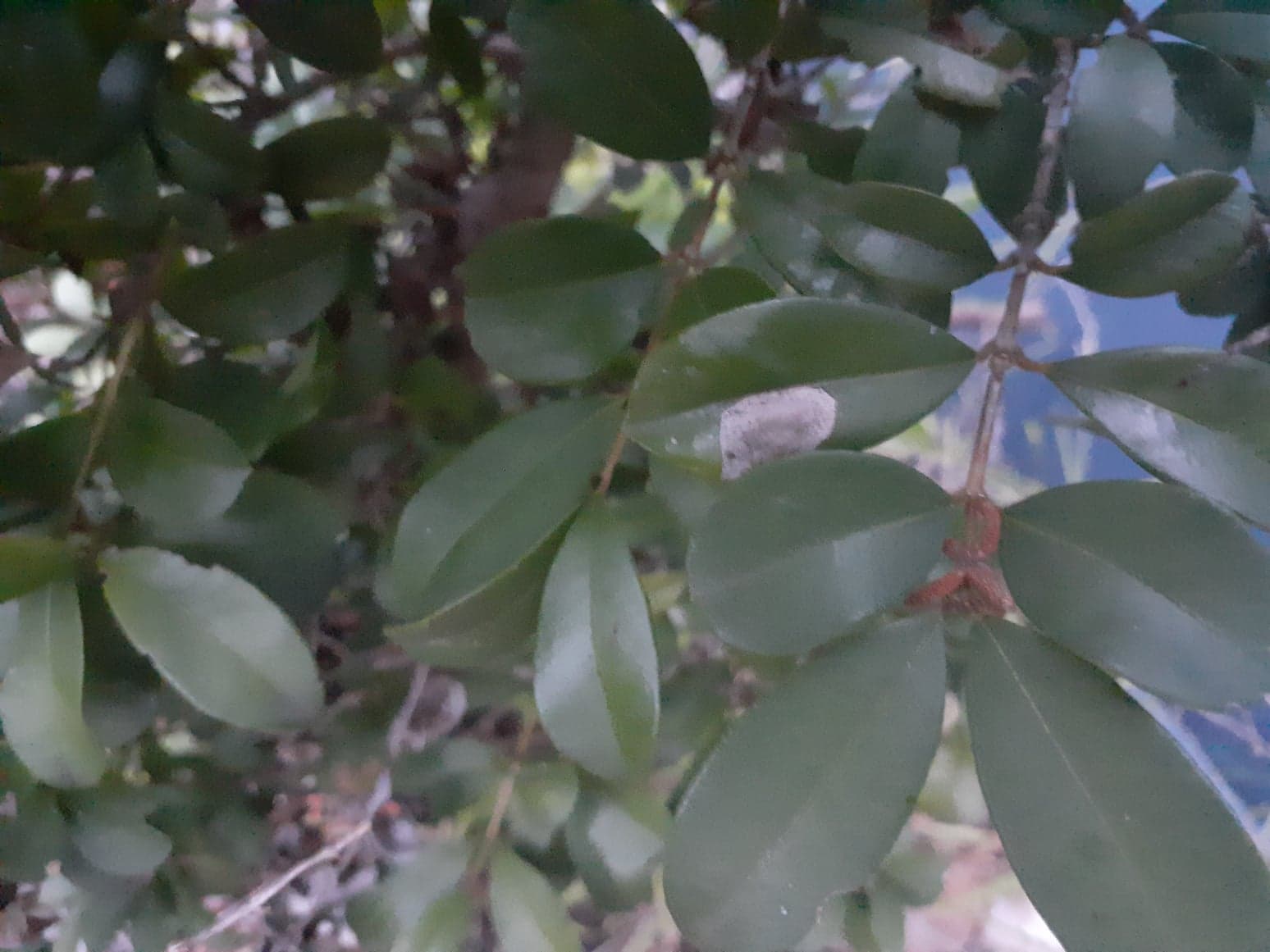
First, What Does “Localized” Even Mean?
“Localized” is doing a lot of quiet work in the diagnosis your photo tool gave you. It means the damage shows up as separate, individual spots rather than a whole-leaf or whole-plant meltdown. The leaf is mostly fine; it just has freckles it did not ask for. That matters, because it rules out a whole family of other problems at a stroke: whole-leaf yellowing is usually a water, nutrient, or root story, not a spot story. Widespread wilting is a plumbing story. Spots are a surface story — something attacked, or bumped into, the leaf itself, one patch at a time.
Localized also tells you the plant is not necessarily doomed. A few spotted leaves on an otherwise vigorous plant is a “monitor and manage” situation, not a funeral. The question is only whether those spots are going to stay put (mechanical damage does not spread) or multiply (disease does, given the right weather). Everything below is aimed at answering that one question.
The Disease Side: How Pathogens Sign Their Work
Leaf-spot fungi and bacteria are not subtle artists, but they do have a style. Once you know it, you start seeing it everywhere, like learning a new word and then hearing it five times in a day.
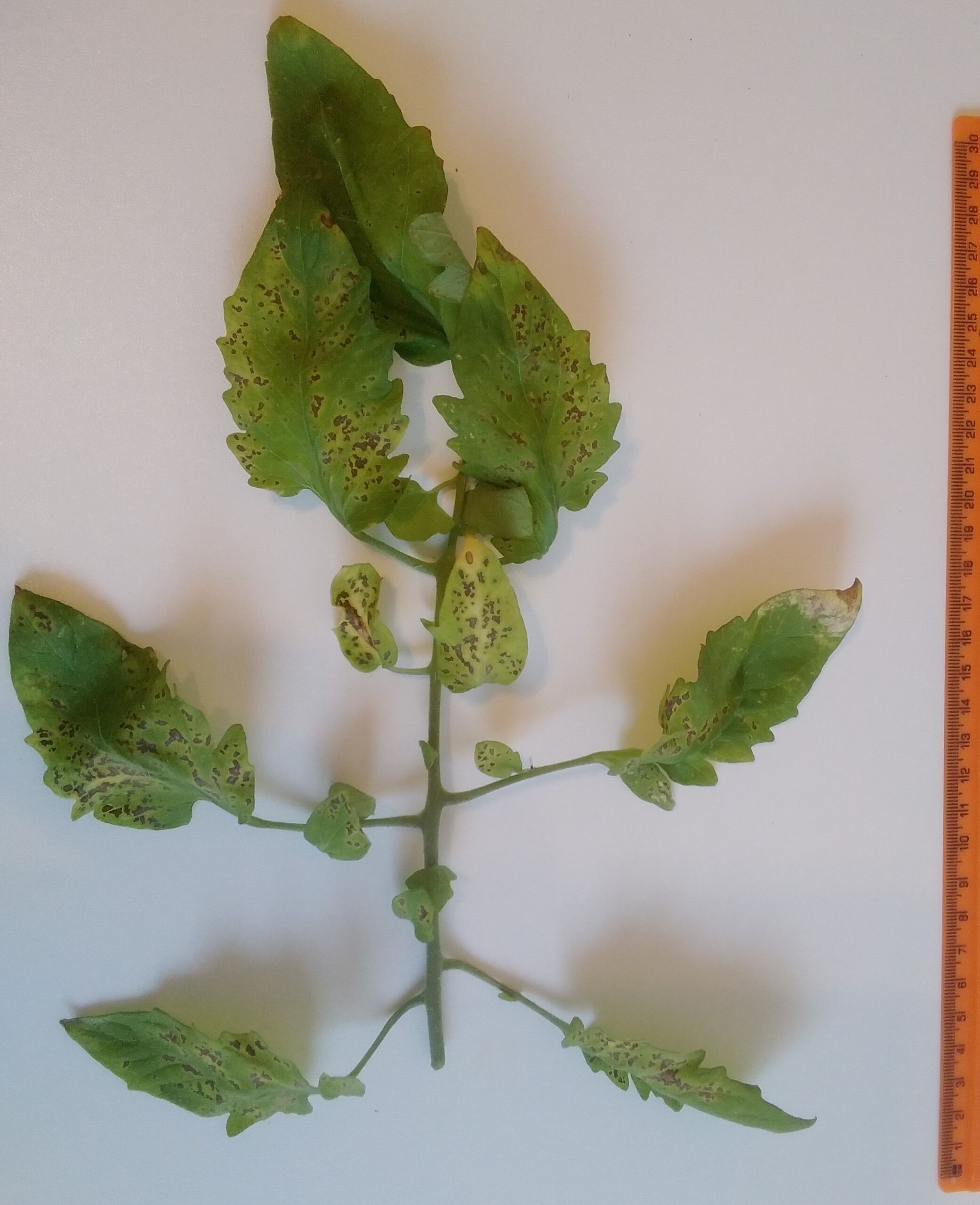
Defined margins. Disease spots usually have an edge — a border where dead tissue meets living tissue, sometimes with a yellow halo around it like a bruise with ambition. The spot often looks “drawn on,” roundish or angular, following the leaf’s veins the way a river follows a valley. Some have concentric rings, like a tiny target. That target pattern is a classic fungal signature.
They spread, and they have a pattern. Disease starts small and gets bigger, and it makes more spots, usually starting on the lower, older leaves and climbing, because spores splash upward from the soil in rain. If you check back in a week and there are more spots, or the old spots are bigger, you are almost certainly looking at a living pathogen, not a one-time accident. Mechanical damage, by contrast, is frozen in time: the wound you see today is the wound you will see next week, just drier.
The underside tells tales. Flip the leaf. Many leaf-spot fungi fruit on the underside — you may see a faint fuzz, tiny dark dots, or a slightly different color patch mirroring the spot on top. Bacterial spots sometimes look water-soaked or greasy from below, and in wet weather you may even find a bit of ooze. (Wash your hands after poking at oozy leaves. You are a gardener, not a petri dish.)
Weather is the accomplice. Leaf-spot diseases love the exact weather Florida serves all summer: warm, wet, humid, with leaves staying damp for hours. A rainy week followed by an explosion of spots is a strong vote for disease. A single storm followed by spots that never change is a vote for the storm itself.
The Mechanical Side: Physics Being Rude
Mechanical damage is everything that is not alive: wind, hail, handling, tools, sun, and gravity. Its signature is almost the opposite of disease, which is convenient, because it means the two rarely impersonate each other well once you know what to look for.
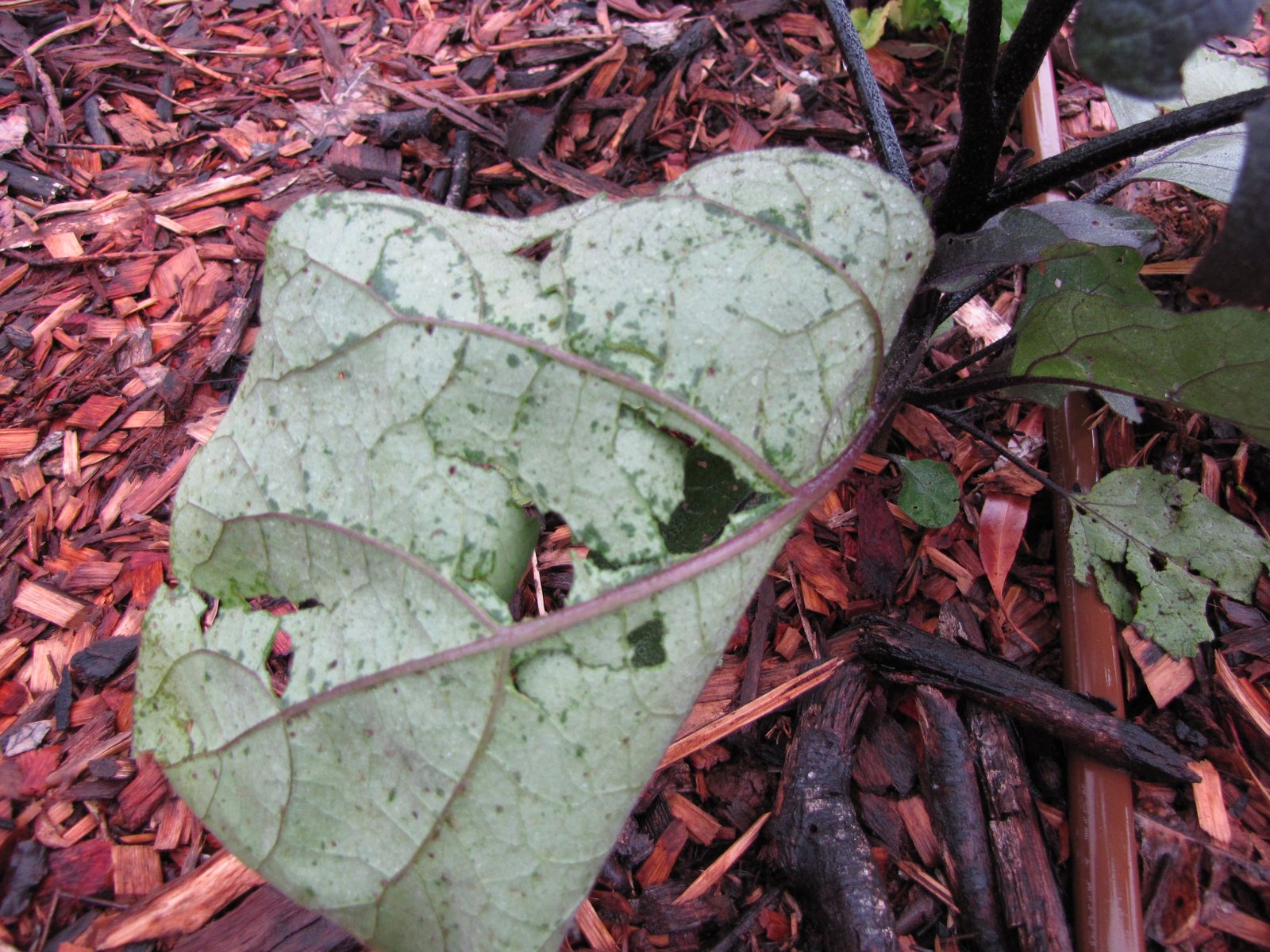
Tears, not circles. Wind shreds leaves along their weakest lines, so you get splits, tatters, and ragged edges rather than neat round spots. Hail punches holes and tears — the damage looks violent, random, and frankly unfair, because it is. A leaf that got whacked by a string trimmer has a clean cut or a bruised flap on one side, usually at the height the trimmer runs. None of these have halos, rings, or margins that look drawn. They look like what they are: injuries.
It matches an event. This is the single best mechanical-damage clue, and it costs nothing: can you point to a day when something happened? A thunderstorm Tuesday, a rough transplant Wednesday, a pruning session where a branch whipped back? If the damage showed up right after an event and has not changed since, physics did it. Disease does not care about your calendar; it follows the weather and its own life cycle, and it keeps going.
It does not spread — and it does not care about leaf age. Hail hits the top leaves and the bottom leaves with equal enthusiasm. Wind shreds whatever sticks out. Handling bruises the leaves you actually touched. Disease, meanwhile, usually works its way up from the bottom, because that is where the spores live. A random pattern across all leaf ages, appearing all at once, is mechanical damage’s calling card.
The Detective Kit: Five Checks That Separate Them
You do not need a lab. You need five minutes, a hand lens if you have one, and the discipline to check back in a week. Run these in order.
1. The timeline check. When did the spots appear, and what happened just before? Storm, transplant, pruning, a kid “helping” with a stick — mechanical. Slow appearance over days with no event — disease. Write it down if your memory is as sieve-like as most gardeners’ (no judgment; the garden is big and the brain is busy).
2. The pattern check. Are the spots mostly on lower, older leaves and climbing? Disease. Random across the plant, worst on the windward side or at trimmer height? Mechanical. One branch only, where something rubbed? Mechanical — check for a branch rubbing in the wind, which is a slow-motion mechanical injury that repeats every gust.
3. The underside check. Flip several spotted leaves. Fuzz, dots, or a mirror-image patch underneath leans disease. A clean underside with damage visible only from the top leans mechanical — with one exception: some sunscald shows on the exposed side only, which is also mechanical, so this check agrees with itself nicely.
4. The feel check. Disease spots are often papery-thin and dry in the center once dead, or soft and water-soaked while active. Mechanical tears feel like torn leaf, because that is what they are — the tissue around a tear is usually still firm and alive. Mushy, spreading, wet-feeling patches are the ones to worry about.
5. The one-week check. This is the tiebreaker, and it is free. Mark a few spotted leaves (a loose twist tie, a photo on your phone) and look again in a week. More spots, bigger spots, or spots on new leaves: disease, and it is time to read the specific guide that matches. No change at all: mechanical, and you can stop worrying and start pruning off the ugly bits at your leisure.
The Florida Twist
Florida makes this harder than it needs to be, because Florida gives you both causes at maximum volume. Summer thunderstorms deliver hail and wind damage on Tuesday, and then the humidity that follows lets every fungal spore within a mile throw a pool party on Wednesday. A leaf can absolutely be hail-damaged and then infected through the wound — the tear lets the pathogen in. So “both” is a real answer, and it is the reason the one-week check matters: mechanical damage that starts spreading a week later has invited a friend, and that friend needs the disease playbook.
Two more Florida specifics. First, our sandy soil splashes easily, which is why disease so often starts low and climbs — mulch under your plants is not decoration, it is a splash guard. Second, our sun is genuinely brutal after a plant has been shaded: leaves that were protected and are suddenly exposed (you pruned the shade away, or a neighbor’s tree came down) can scald, going pale and papery on the exposed side. That is mechanical, it will not spread, and the fix is shade and patience, not spray.
What to Do, Gentlest First
Whatever the verdict, the order of operations is the same. This is the IPM ladder, and skipping rungs is how gardens end up with resistant fungi and dead beneficial insects.
1. Monitor first. A few spots on a vigorous plant earn observation, not intervention. Do the one-week check before you do anything else. Plants outgrow minor damage constantly; your job is often just to get out of the way.
2. Prune and clean up. Remove the worst leaves — the ones that are more spot than leaf — and get them out of the garden. Do not compost diseased material in a home pile that never gets hot; bag it and trash it. Clean your pruners between plants if you suspect disease (a quick wipe with alcohol or a diluted bleach solution, then rinse — your tools are disease taxis otherwise).
3. Change the conditions. Water at the base, not overhead, so leaves dry faster. Space plants for airflow. Mulch to stop soil splash. If a branch is rubbing, prune the rub. Most of mechanical damage prevention is just noticing what keeps hitting the plant and stopping it.
4. Biological and low-impact options. For confirmed fungal spots, the specific disease guides cover the appropriate biological controls. Do not guess at these — the right microbe for one disease does nothing for another, and this triage guide deliberately does not prescribe disease-specific treatments, because getting the disease wrong wastes your money and the season.
5. Chemical, last and labeled. If a disease is spreading fast, defoliating the plant, or threatening a crop you depend on, a labeled fungicide or bactericide used exactly per its label is a legitimate last resort. “Exactly per its label” is doing heavy lifting there: the label is the law, the dose, and the safety sheet all in one. Never spray a fungicide on a wound you have diagnosed as mechanical. It will not heal a tear, and it will add chemical load to your garden for zero benefit.
Mistakes Worth Not Making
Spraying first, diagnosing never. The most expensive mistake in this whole guide. A spray feels like action; a diagnosis feels like dithering. In reality the diagnosis is the action, and the spray without one is the dithering.
Composting the evidence. Diseased leaves in a cool home compost pile do not die politely. They wait. Then you spread the compost and re-infect the garden, and you get to play detective all over again, except now you are also the culprit. Bag diseased material. Save the compost for healthy stuff.
Assuming “spot” means “fungus.” Bacteria make spots. Viruses make spots (usually with mosaic patterns and distortion — a different story, and one for the virus guides). Sun, wind, hail, and your own hands make spots. The word “spot” is a symptom, not a diagnosis, and treating it like one is how you end up spraying a hailstorm.
When to Get a Second Opinion
If spots are spreading fast despite cleanup, if the whole plant is defoliating, if stems or fruit start showing lesions, or if you simply cannot tell after the one-week check, take the problem to people who look at sick plants all day: your county’s UF/IFAS Extension office and its Master Gardener plant clinics will look at photos or samples and give you a local, specific answer. That is what they are for, and it is free. Bring a few leaves in a sealed bag, plus a photo of the whole plant — the whole-plant photo matters more than most people think, because pattern is half the diagnosis.
Frequently Asked Questions
Can a leaf have both mechanical damage and disease at the same time?
Yes, and Florida specializes in it. A hail tear or wind split breaks the leaf’s skin, and a fungus or bacterium walks right in through the opening. If mechanical-looking damage starts spreading a week later, treat it as disease from that point on and read the matching specific guide.
Should I remove every spotted leaf I see?
No. A few spots on a vigorous plant are cosmetic. Remove leaves that are more damage than leaf, leaves that are actively spreading disease, and anything touching the soil. Leave the rest — the plant still needs those solar panels, spots and all.
Do I need to spray after hail damage?
No. Hail wounds are not infections. Prune the worst shredding if it bothers you, give the plant water and time, and watch for a week. Spray only if spreading disease shows up in the wounds afterward.
How do I tell sunscald from leaf spot?
Sunscald shows on the sun-exposed side only, usually as pale, papery patches, and it appears after a sudden increase in exposure (pruning, a fallen shade tree, a moved pot). It does not spread, has no halo or rings, and the shaded side of the same plant stays clean.
Is it safe to eat from a plant with spotted leaves?
Spots on leaves do not automatically make fruit unsafe, but do not eat damaged or diseased plant parts themselves, wash everything well, and if a plant is heavily diseased or you have sprayed anything, follow the label’s waiting period before harvesting. When in doubt, ask your Extension office.
What if the spots are on my lawn, not a garden plant?
Turf has its own leaf-spot story — start with the Gray Leaf Spot (Turf) guide, and remember that mower damage and drought stress impersonate turf disease constantly.
Still stuck? Run the plant through the Plant Doctor — answer the symptom questions, or upload a photo, and it will narrow the suspects for you.
🌱 Keep learning
Three related guides worth reading next:
- The Lazy Gardener's Guide to Starting a Garden — A low-drama first garden built around fewer chores and better decisions.
- I Have a Vegetable Garden. Now What? — Watering, feeding, scouting, harvesting — the routine that keeps it alive.
- What to Plant and When? — Zone-by-zone planting guides: find your USDA zone and your planting calendar.
Got a sick plant? Plant Doctor ranks the most likely causes from your symptoms.
🪱 Your Soil Needs This
Reading about healthy soil is great. Growing in it is better. Our small-batch, traceable worm castings are the shortcut your garden deserves.
Shop Worm Castings Subscribe & SaveEvery bag comes with a lot certificate. Know what's in your soil.