
🍊 Tangelo
What it looks like
How to grow
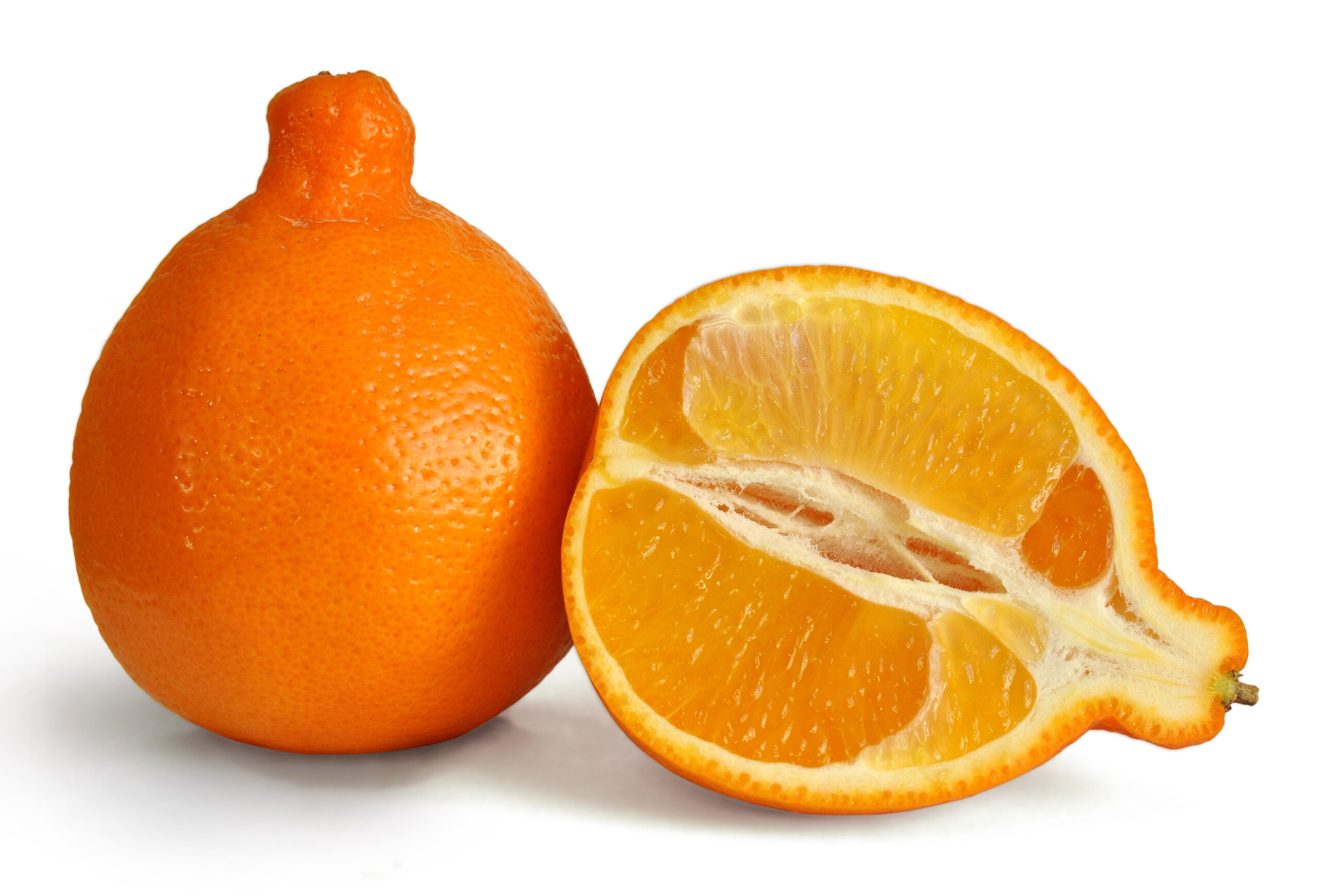
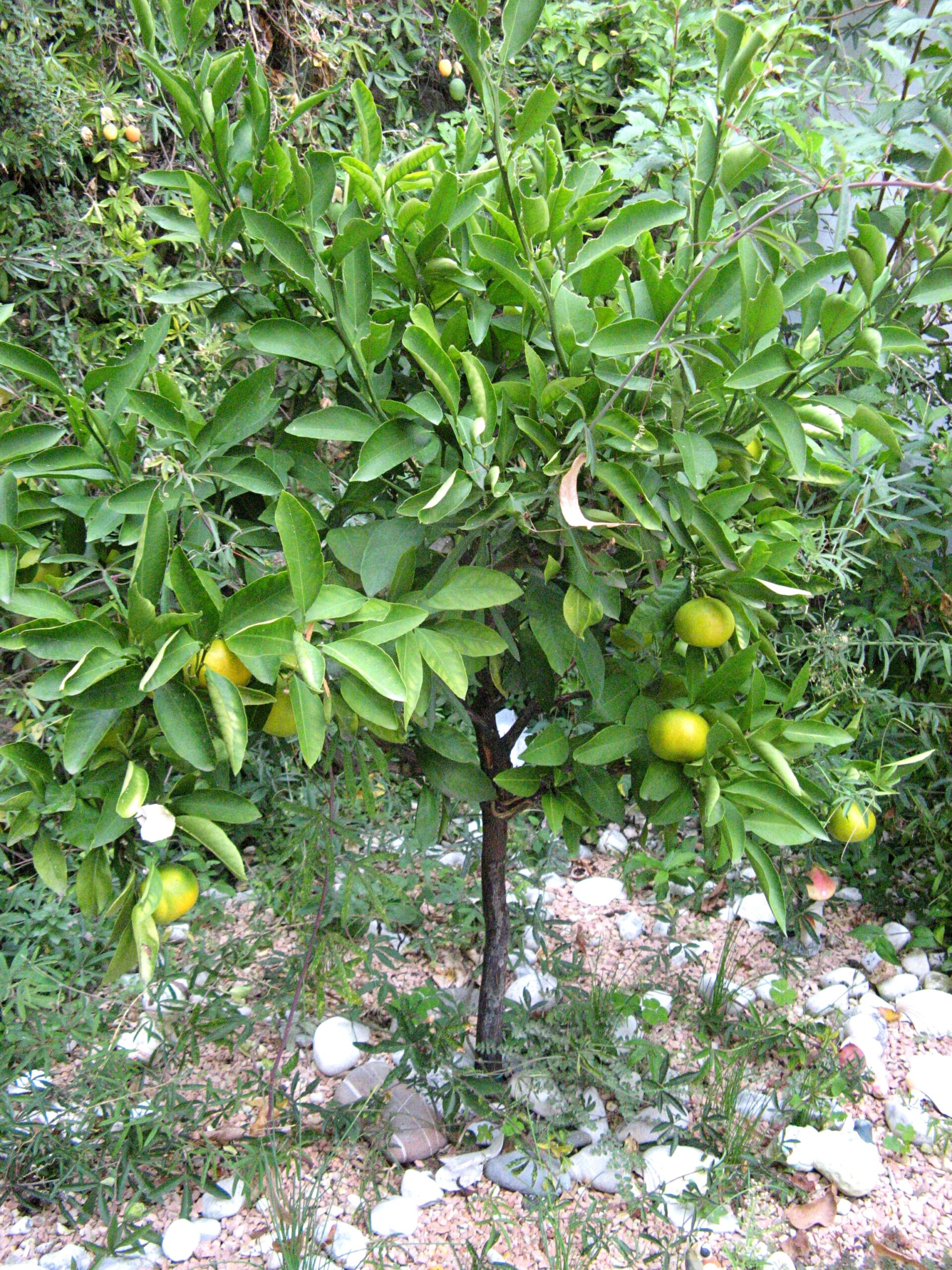
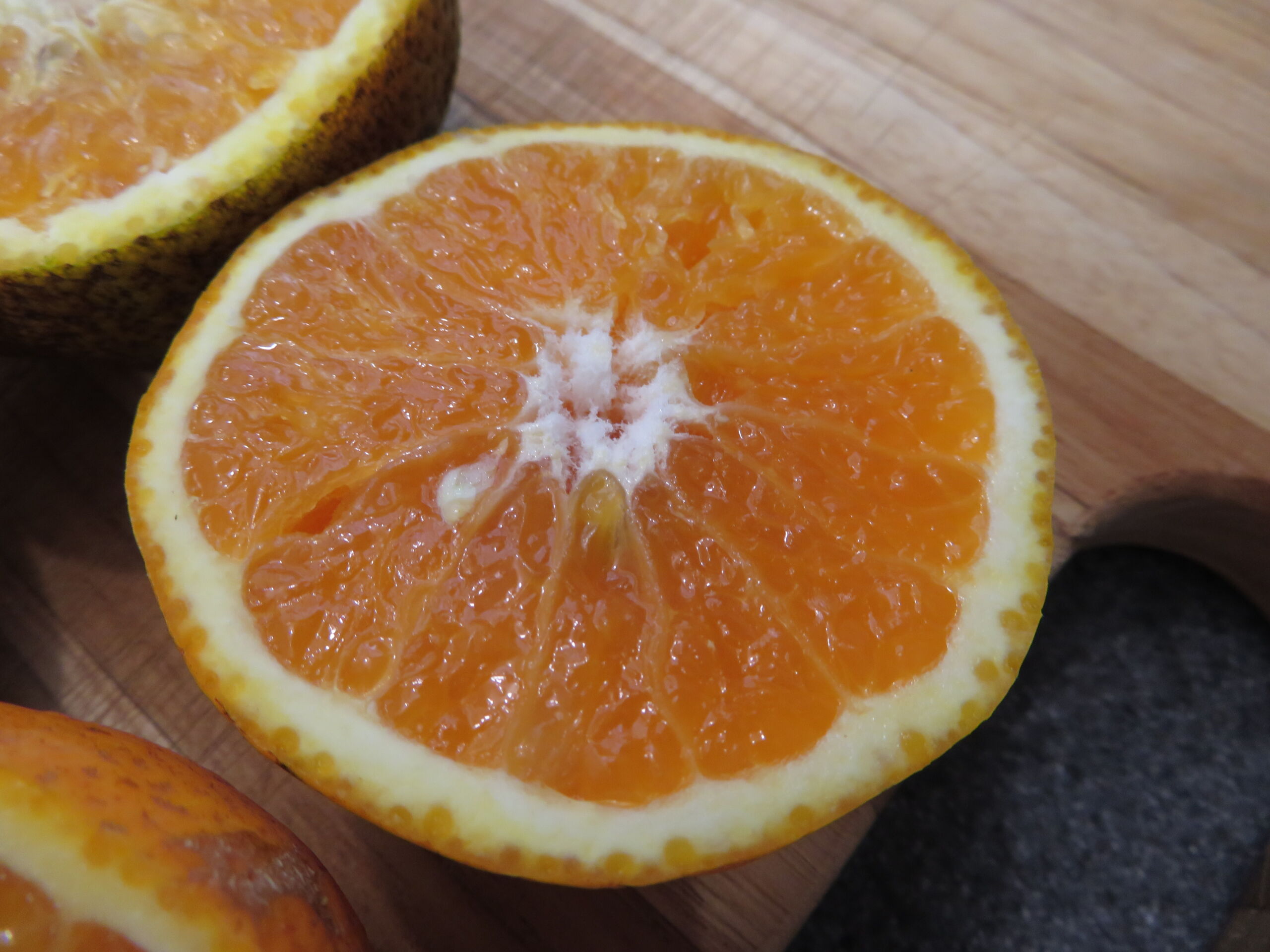
Tangelos are citrus hybrids — tangerine (mandarin) crossed with grapefruit or pomelo — and the two famous types tell you what to expect: ‘Minneola’ (the Honeybell) is large, bell-shaped, and sweet-tart; ‘Orlando’ is flatter, juicier, and slightly more tart. Both peel easily like a tangerine and juice like a grapefruit, which is the appeal. Buy a grafted tree on appropriate rootstock — trifoliate orange for cold hardiness, sour orange where it thrives — from certified disease-free stock, and plant in spring in well-drained soil in the warmest, sunniest spot available, graft union above the soil; container growing works for marginal zones, wheeled inside for freezes; tangelos are less cold-hardy than satsuma mandarins, so in marginal zones, plant against a south wall or be ready with frost cloth. Most tangelos need cross-pollination from another citrus variety blooming at the same time — a lone ‘Minneola’ with no citrus neighbors nearby fruits poorly, so check pollination partners before buying. Prune lightly to shape and to remove dead wood; citrus does not want hard annual pruning.
Water & feeding
Deep, regular watering during establishment and fruit development; citrus roots are shallow and drought shows up as small, dry fruit. Mulch to hold moisture but keep mulch off the trunk. Feed with a citrus fertilizer several times through the growing season, following label rates — citrus are hungry trees, but overfertilizing burns roots.
Common problems
- Frost — tangelos are among the more cold-sensitive citrus; protect on cold nights in zone 9
- Pollination failure from a lone tree — plant a compatible citrus pollinizer nearby
- Citrus greening disease in Florida and other affected regions — buy certified disease-free stock and watch for yellowing, misshapen fruit
- Scale, aphids, and leafminers — treat with horticultural oil and encourage beneficial insects
- Root rot in poorly drained soil — plant high and water deeply but infrequently
Harvest
Pick when the fruit is fully colored, heavy for its size, and gives slightly — tangelos do not sweeten much off the tree, so taste-test before stripping the tree; fruit ripens on the tree and holds for weeks once ripe, with the Florida season running roughly fall through spring depending on variety. They keep for a couple of weeks refrigerated and are best eaten fresh or juiced.
Browse all plant & pest guides
Saving seeds
Tangelo seed is a hybrid gamble, and the honest headline is that a seedling will not necessarily be the tangelo you ate. Tangelos are crosses of tangerine and grapefruit or pomelo, and the seedlings reshuffle the parents — some will taste like tangerine, some like grapefruit, and some like neither. The only way to lock in a named tangelo is grafting.
Sow fresh. Citrus seed is recalcitrant and does not store well, so clean the pulp off the seed, rinse it, and sow it the same day or within a few days, barely covered, in a warm, moist mix at 75 to 85°F. Germination usually comes in two to four weeks. Seed that dries out is dead seed. Whether a given variety is polyembryonic or not varies, so do not count on clones — grow several seedlings and rogue the weak ones.
Save seed from fully ripe fruit on a healthy tree, and sow more than you need. Seedlings take years to fruit, and a seed-grown tangelo is a big tree, so give it room and patience — and a grafted tree if you want a particular fruit.
In Florida, tangelos are warm-climate citrus for zones 9 to 11, happiest in full sun and well-drained soil. They are the easy-peeling, juicy fruit of the Florida winter, and a seedling grown from your own fruit is a tree with a story — even if the story ends with a grapefruit.
Varieties
Every named variety of Tangelo with its own growing guide:
- Minneola Tangelo — The Honeybell: bell-shaped, deep red-orange, exceptionally juicy and sweet — the most famous tangelo in America.
- Orlando Tangelo — The earlier, hardier tangelo: flat-round, mild and sweet, more cold-tolerant than 'Minneola' — and it will not pollinate it.
- Jamaican Tangelo — Ugly on the outside, sweet-tart sunshine inside, the Jamaican tangelo that peels like a dream and tastes like tangerine met grapefruit.
- K-Early Tangelo — The early bird of tangelos, first to ripen and famously uneven, loved by some growers and warned about by Florida's own citrus rules.
- Nova Tangelo — A bright, early tangelo that looks like Orlando's younger cousin, juicy and orange, but it needs a pollination partner to do its best.
- Page Tangelo — A tiny Florida original with outsized flavor, early and sweet, even if the tree sometimes thinks small is beautiful.
- Seminole Tangelo — Orlando and Minneola's tart, seedy sibling, deep orange and vigorous and scab-resistant, the connoisseur's tangelo.
- Thornton Tangelo — Swingle's 1899 tangelo, rich and sweet and a poor shipper, a home-garden fruit that never wanted a grocery career.