
🖤 Scorzonera
What it looks like
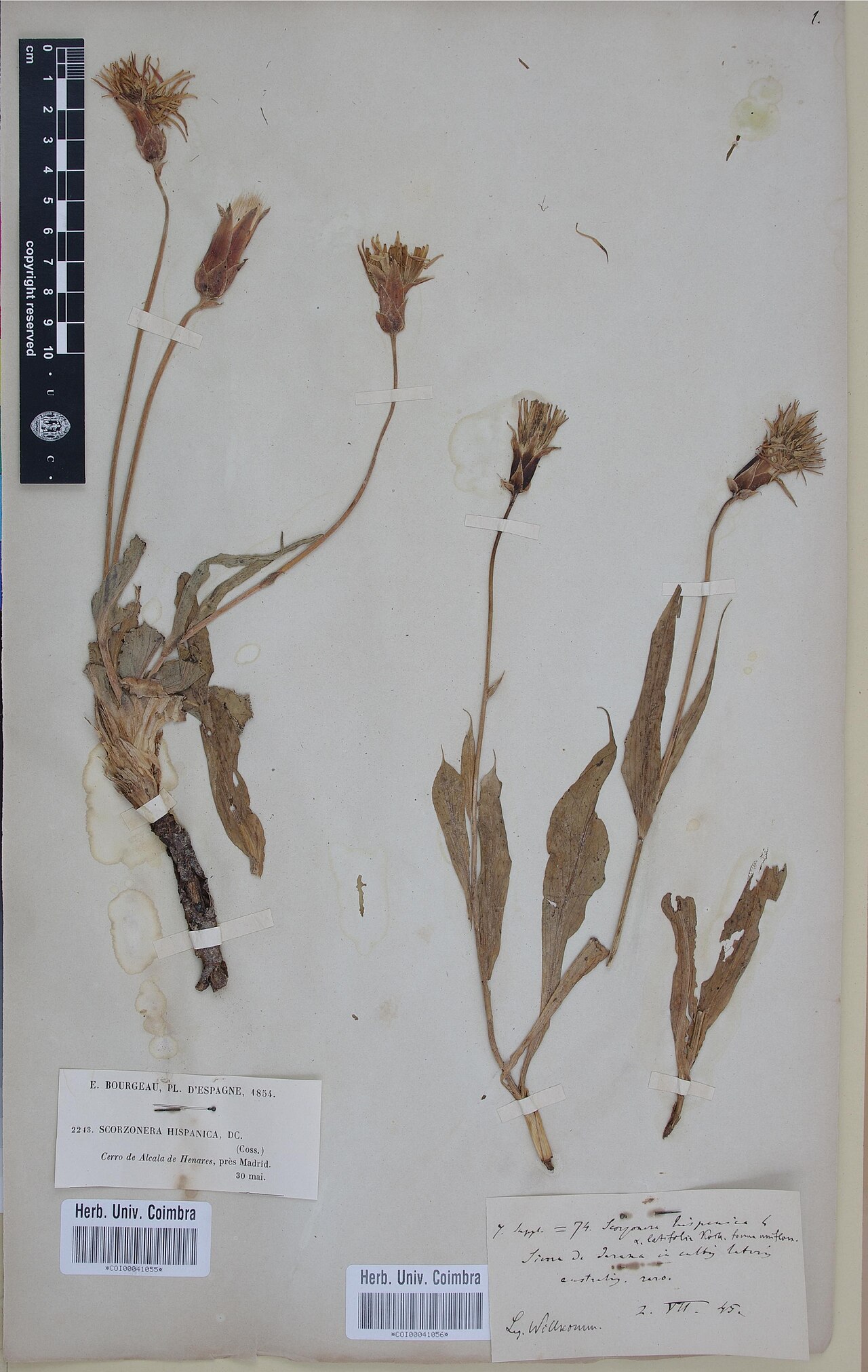
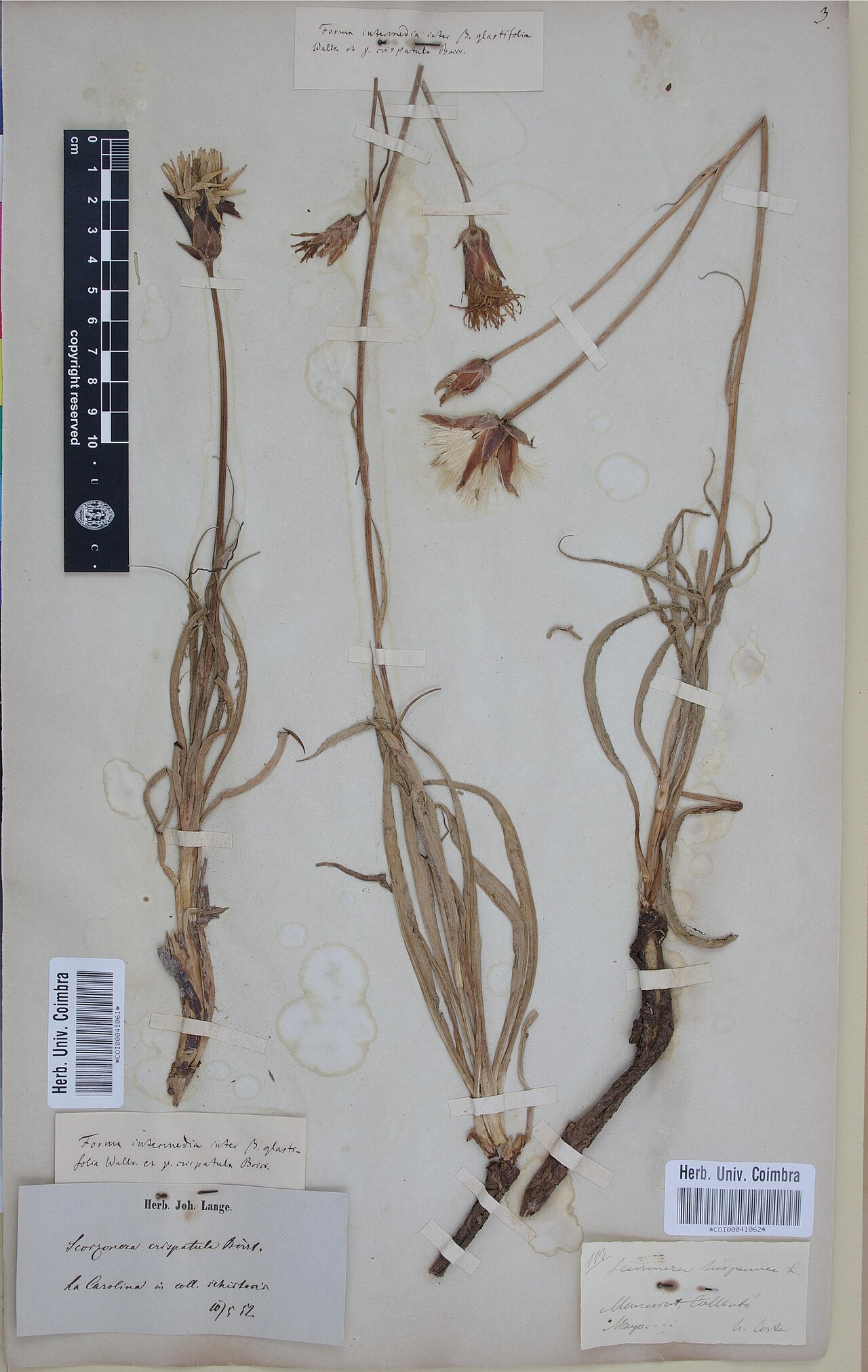
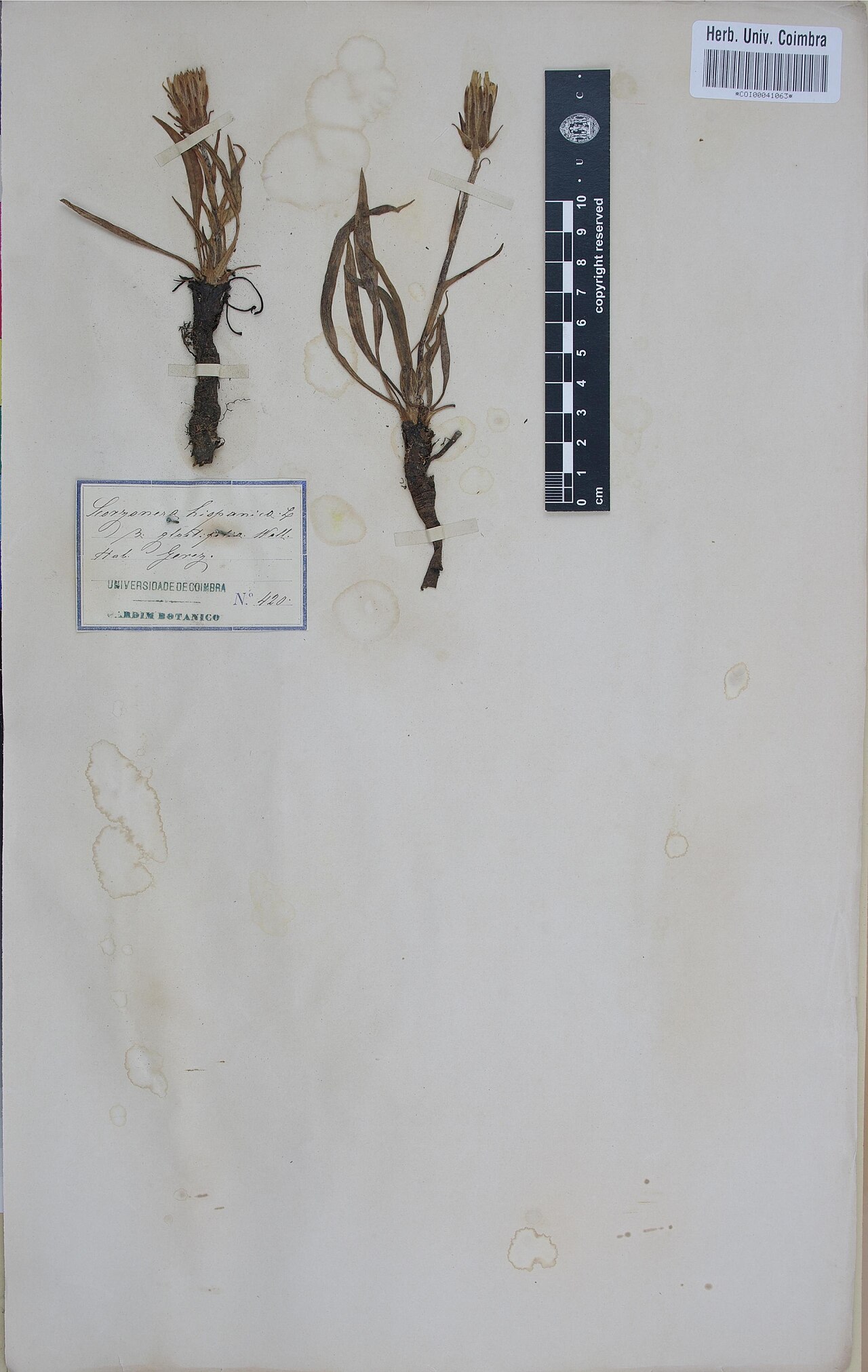
How to grow
Scorzonera, also called black salsify or black oyster plant, is a cold-hardy root crop distinct from white salsify (Tragopogon porrifolius), which already has its own guide family on this site — scorzonera has a rough black skin over white flesh and roots that can reach 1–3 feet in deep, stone-free soil. Sow 1/2 inch deep about two weeks before the last frost, when soil reaches about 40°F, or in early autumn in mild-winter regions for a winter harvest. Thin to 3–4 inches apart. Work soil 8–12 inches deep and remove every stone and lump, because obstacles fork and split roots. Scorzonera is a perennial by nature but is usually grown as an annual root crop; any root piece left behind will regrow.
Water & feeding
Water frequently and consistently all season — if scorzonera gets too dry, roots turn fibrous. Mulch to hold moisture. Feed with compost at planting; it needs little extra fertilizer in fertile soil.
Common problems
- Forked or split roots — stones, lumps, or shallow soil; dig deep and sift the bed.
- Stringy roots — left in the ground after temperatures pass 85°F, or grown too dry.
- Slow, grass-like seedlings — weed carefully, because young scorzonera looks like grass.
- Snapping roots at harvest — dig deeply and lift gently; roots are delicate.
Harvest
Harvest after about 120 days, and ideally after the first autumn frost, which sweetens roots. Dig carefully with a fork, keeping peels intact for storage in sand or a cool, dry place for 2–4 months. Peel before cooking (the skin stains), then roast, mash, braise, or sauté in butter. Edible yellow flower petals smell faintly of cocoa, and flower buds taste a little like okra — a bonus crop if you let a plant flower.
Browse all plant & pest guides
Saving seeds
Scorzonera seed takes patience, because scorzonera is a biennial: it spends its first year making a root and its second year making seed. If you want seed, do not harvest every root. Leave your best roots in the ground through winter — in north Florida they will usually survive with a little mulch — and in spring they will bolt, sending up a tall stalk with a yellow flower that opens in the morning and closes by noon. Let the flower fade and the seed head dry on the plant until it looks like a dandelion clock, then snip it into a paper bag before the wind takes it. The seeds are long and thin with a fluffy pappus, and they scatter easily, so catch them early. Winnow away the fluff and store the seed in a paper envelope in a cool, dry place.
Scorzonera seed has a short life: it is best used within a year, and germination drops sharply after that. Sow fresh seed in spring or fall, when the weather is cool — scorzonera germinates best around 55 to 65°F — so sow about half an inch deep in a moist, well-draining mix and keep it moist and cool. Germination usually comes in one to two weeks. Seedlings grow steadily once they are up, but they need deep, loose soil from the start — a scorzonera root in compacted soil is a forked, stunted root, and the long black roots are the whole point of the plant.
Save seed from roots that were long, straight, and sweet — not from the runts, and not from roots that bolted before they ever sized up, since early bolting is the trait you do not want to pass on. Let at least a few plants go to seed together, since scorzonera needs cross-pollination between plants to set good seed, and save more than you need: a single flower head makes a generous handful.
In Florida, scorzonera is a cool-season crop, and that shapes the whole project. Sow in fall for roots in winter, and let your seed plants bolt in spring — by the time the heat arrives, the seed should be drying. In central and south Florida the winter may not be cold enough for reliable vernalization, so seed saving works best in north Florida. And dry your seed thoroughly before storing it: our humidity is the enemy of stored seed.
Varieties
Every named variety of Scorzonera with its own growing guide:
- Duplex Scorzonera — The uniform black salsify — smooth, even roots that resist splitting, and the tidy gardener’s scorzonera.
- Giant Russian Scorzonera — The giant black salsify — extra-long, thick roots for deep soil, and the biggest scorzonera harvest.
- Hoffman's Schwarze Pfahl Scorzonera — The perennial black salsify — a standby winter root, three vegetables in one, and a permaculture favorite.
- Enorma Scorzonera — The bolt-resistant black salsify — long, smooth, straight roots in just 80 days, and a favorite of organic growers.
- Maxima Scorzonera — The big-rooted black salsify — roots to about a foot long, for gardeners who want scorzonera at its largest.
- Prodola Scorzonera — The productive black salsify — appreciated for flavor and yield, a steady, generous root for the winter kitchen.