
✳️ Aster
What it looks like
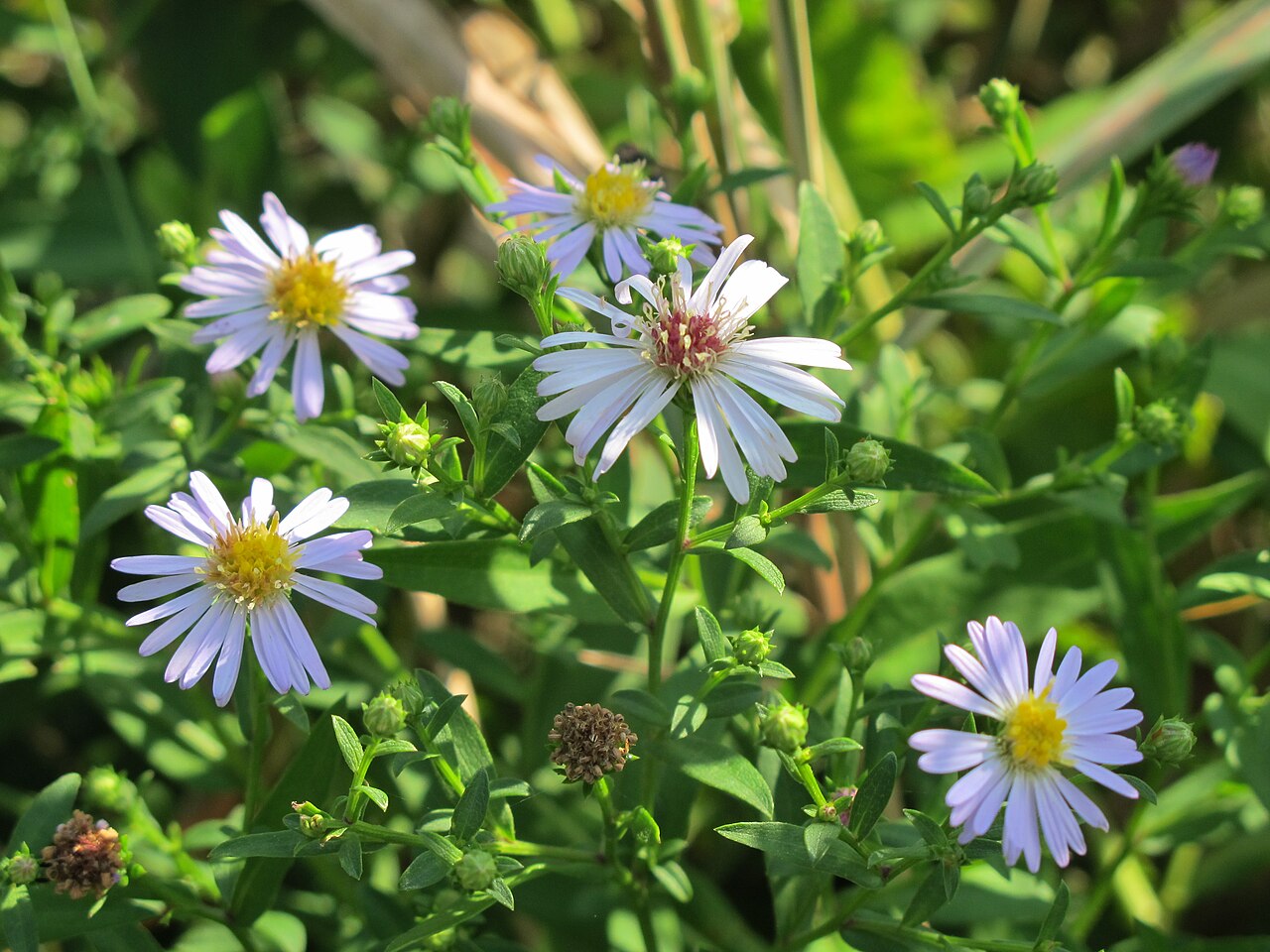
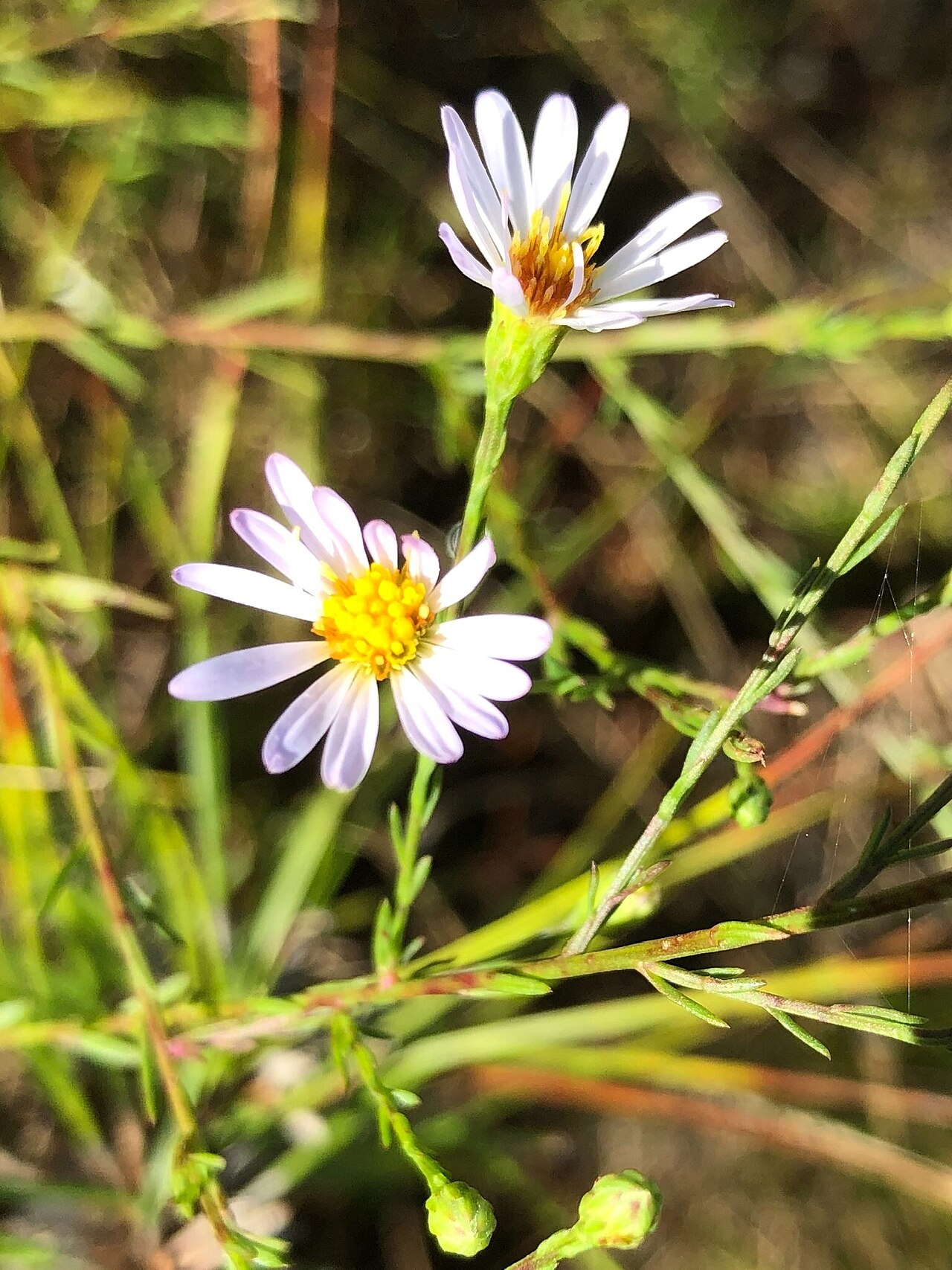
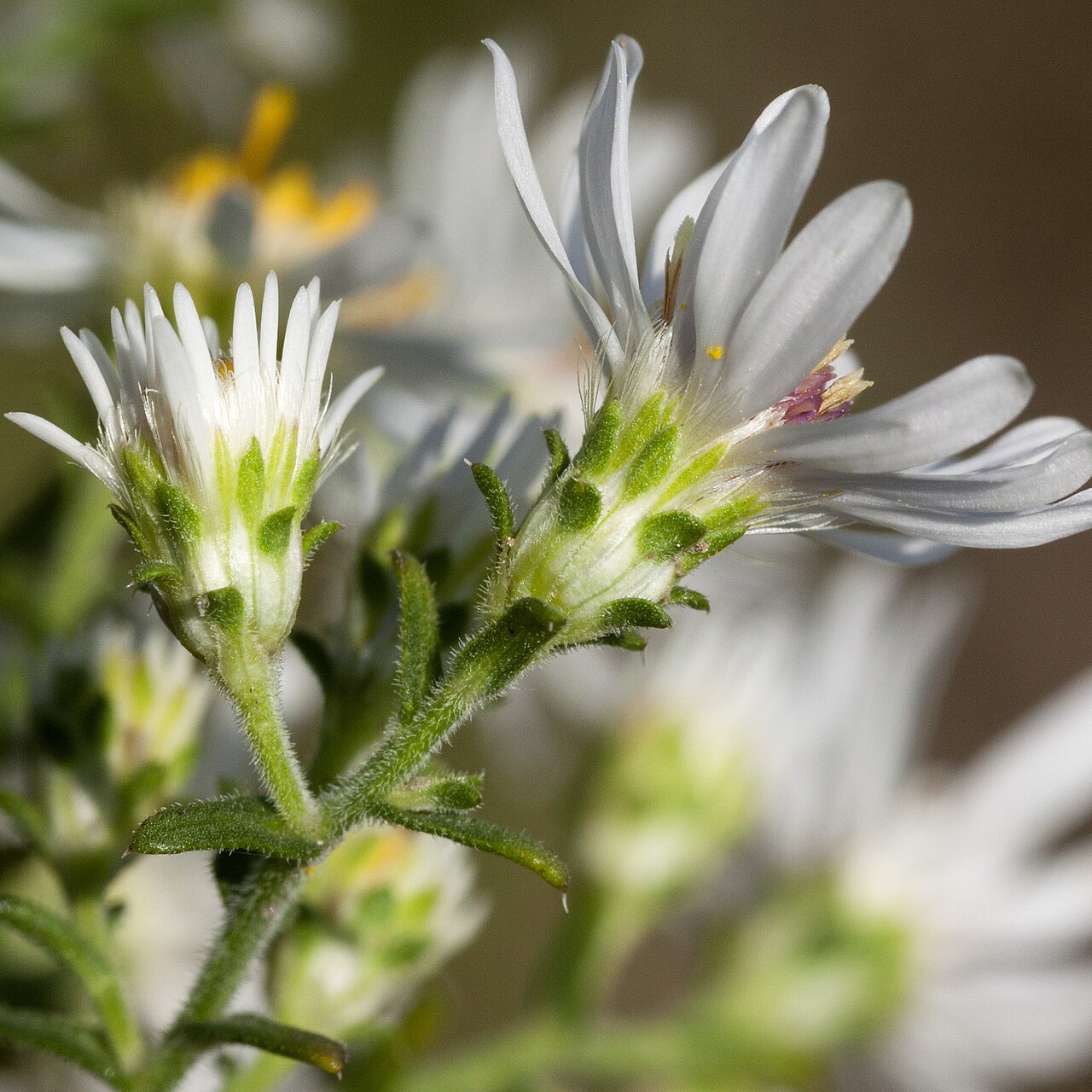
How to grow
Plant in spring or fall in well-drained soil in sun — asters are the backbone of the fall perennial border, blooming when most flowers have quit. New England aster (S. novae-angliae) is tall and purple-pink; New York aster (S. novi-belgii) is more compact; aromatic aster stays tidy and mildew-resistant. Pinch tall types back until early July for bushier plants, and give them airflow — crowded asters in humid air are mildew’s favorite address. Most are native, and all are pollinator magnets late in the season.
Water & feeding
Water to establish and during dry spells; asters prefer consistent moisture and bloom best when not drought-stressed. Mulch to hold soil moisture.
Common problems
- Powdery mildew — the classic aster complaint; choose resistant species and space for airflow
- Aster yellows (a phytoplasma spread by leafhoppers) — pull and discard affected plants
- Flopping on tall types — pinch back or stake
Harvest
Deadhead to prolong bloom, or leave seed heads standing for birds through winter and cut back in spring. Divide clumps every 2–3 years to keep them vigorous.
Browse all plant & pest guides
Saving seeds
Asters are generous seed savers, almost to a fault. Leave a New England aster or a wood aster alone after bloom and it will happily seed itself all over the bed, which tells you everything you need to know about how easy the seed is to collect: the plant is already trying to do it for you. Most of the asters in this guide are now placed in Symphyotrichum, the North American genus that took over when the old catch-all Aster was split up, and their seed heads all behave the same cheerful way — which is to say, like tiny dandelion clocks with ambitions.
Wait until a few weeks after flowering — roughly four weeks is the usual figure — when the flower heads have turned dry and fluffy, each little seed wearing a feathery tuft built for wind travel. That fluff is your ripeness test: if the seeds pull away from the head easily and the head looks like a fuzzy ball, they are ready; if they cling stubbornly, give them more time. Clip the stems a few inches below the heads into a paper bag, then pinch or shake the seed free. A word of caution for the tidy gardener: do this on a still day, or a good gust will sow your entire harvest across the neighborhood before you get the bag closed, which the asters will consider a great success and you may not.
Spread the seed out to dry for a week or two in a cool, dry place, then store it in a labeled envelope or sealed container, cool and dark — and in Florida, airtight with a desiccant, because a humid shelf will quietly sap viability. Properly dried aster seed generally keeps for one to two years, with germination dropping noticeably after that, so sow it while it is fresh. When you do sow, remember that most asters need a cold, moist period first: roughly a month or two of cold stratification in the refrigerator, or a fall or winter sowing outdoors that lets winter do the work, will wake them far more reliably than spring sowing without a chill. Press the seed into the soil surface rather than burying it deep, keep it moist, and be patient. One last piece of honesty: seed from a named cultivar or hybrid will not reliably grow true, and asters cross readily with their neighbors, so seedlings from a mixed border are surprises, not copies. If you want an exact duplicate of a favorite plant, divide the clump instead. And consider leaving a few heads standing through winter — the seed you do not collect is bird food and next year’s volunteers, which is a perfectly respectable fate for an aster.
Every aster guide on the site
Florida’s native Symphyotrichum — the wild asters that actually grow here, from dry scrub to salt marsh:
- Annual Saltmarsh Aster — Symphyotrichum subulatum. A one-year aster of salt marshes and brackish edges, throwing hundreds of tiny white stars over ground most plants cannot even stand on.
- Bahama Aster — Symphyotrichum bahamense. A salt-marsh annual that lives one fast season, blooms August to January, and lets its tiny pink rays dry into perfect little corkscrews.
- Calico Aster — Symphyotrichum lateriflorum. A small white-rayed aster of moist woods and stream banks, its tiny flowers patterned like calico.
- Climbing Aster — Symphyotrichum carolinianum. Florida’s only climbing aster — a woody vine of wet swamps and stream banks, scrambling up to 12 feet and blooming lavender-pink in fall.
- Eastern Silver Aster — Symphyotrichum concolor. The aster that dressed for a silver-screen close-up — silky silver leaves, violet wands of flowers, and a corm-like rootstock that lets it shrug off drought and fire alike.
- Elliott’s Aster — Symphyotrichum elliottii. A tall, lavender-rayed aster of wet flatwoods and marsh edges — one of Florida’s most widespread native asters.
- Florida Water Aster — Symphyotrichum fontinale. Florida’s own aster — a rare endemic of marshes and floodplains that blooms lavender-blue in November and December, when almost nothing else in the marsh is flowering.
- Georgia Aster — Symphyotrichum georgianum. A rare purple aster of dry open woods, mostly a Georgia and Alabama plant with a foothold in the Florida Panhandle.
- Late Purple Aster — Symphyotrichum patens. The clasping-leaf aster that blooms late, blooms purple, and hugs its own stem with heart-shaped leaves.
- Panicled Aster — Symphyotrichum lanceolatum var. latifolium. A tall white-flowered aster of wet thickets and stream banks, with broad thin leaves that stay leaf-like up into the flower cluster — Florida’s plants are the southern variety latifolium.
- Perennial Saltmarsh Aster — Symphyotrichum tenuifolium. A slender pink-and-white aster of brackish marshes, blooming on wiry zig-zag stems where the tide comes in twice a day.
- Plumose Aster — Symphyotrichum plumosum. A Florida original that grows nowhere else on Earth — a silvery, silky aster of Panhandle pine flatwoods, imperiled and fire-loving.
- Rice Button Aster — Symphyotrichum dumosum. The fall wildflower that turns dry scrub into a snowstorm of tiny pink buttons.
- Savanna Aster — Symphyotrichum chapmanii. A rare purple aster of the wet Apalachicola savannas — a plant so tied to one river basin that it is its own subgenus, and so scarce that the right thing to do with it is admire it where it stands and leave it there.
- Scaleleaf Aster — Symphyotrichum adnatum. The aster that pretends to be a stick most of the year, then explodes into periwinkle stars — its tiny leaves glued flat to the stem are the whole ID.
- Short’s Aster — Symphyotrichum shortii. Florida’s rarest aster by address — a blue woodland flower found in only two Florida counties, on thin limestone soil in Gadsden and Jackson.
- Silky Aster — Symphyotrichum sericeum var. microphyllum. A silvery, rose-purple aster found in Florida only on the limestone glades of Gadsden and Liberty counties — state-listed Endangered, and a plant to admire from the trail, never to pick or plant.
- Simmond’s Aster — Symphyotrichum simmondsii. The tall lavender cloud of the wet flatwoods — Florida’s own aster, and it knows it.
- Smooth Blue Aster — Symphyotrichum laeve var. concinnum. The smoothest aster in Florida — glaucous blue-green leaves, pale purple-blue flowers, and a Florida population of one recent record in a Jackson County limestone glade.
- Smooth White Oldfield Aster — Symphyotrichum racemosum. The smooth-stemmed small white aster of marsh edges and wet meadows, vouchered from the Panhandle to Miami-Dade — separated from rice button aster by half a millimeter of ray width.
- Southeastern Annual Saltmarsh Aster — Symphyotrichum squamatum. A South American annual that arrived on ship ballast and still only shows up as a rare waif in Escambia County — learn to recognize it, and leave it unplanted.
- Southwestern Annual Saltmarsh Aster — Symphyotrichum expansum. The aster with the longest name and the shortest life — a weedy annual of wet ditches and salt-marsh edges that crams a whole lifetime into one damp season, and answers to at least three Latin names.
- Walter’s Aster — Symphyotrichum walteri. A late-fall aster of sandhills and pine flatwoods, all stiff scale-leaves and sprawling brown stems until October brings its bluish-purple flowers.
- Wavyleaf Aster — Symphyotrichum undulatum. A blue-purple fall aster of dry woods and sandhills, named by its wavy leaves and identified by the winged petioles that flare and hug the stem.
- White Arrowleaf Aster — Symphyotrichum urophyllum. A white-rayed aster of woodland edges with broad arrow-shaped leaves, reaching Florida only in the eastern Panhandle.
- White Oldfield Aster — Symphyotrichum pilosum. The frost aster — hairy stems, a thousand tiny white stars, blooming straight through the first frosts.
- Willowleaf Aster — Symphyotrichum praealtum. A tall, willow-leaved fall aster of wet ground in north Florida, told from Simmonds’ aster by its waxy leaves and square-veined undersides — and a late-season lifeline for monarchs and bumblebees.
- Symphyotrichum bracei. A wiry, nearly leafless salt-marsh aster so taxonomically slippery that botanists can’t agree whether it’s a species at all — titled by its Latin name because the common name is part of the confusion.
Garden asters, named cultivars, and plants that borrowed the name:
- Heath Aster — Symphyotrichum ericoides. A compact white aster of dry open ground — a garden classic with no wild Florida record, so enjoy it in the border, not the wild.
- Alma Pötschke Aster. The tall pink New England aster: masses of magenta-pink daisies on 3- to 4-foot stems, an RHS Award winner and still one of the best big pinks.
- October Skies Aster. The low, mildew-resistant aromatic aster: a compact, shrub-like mound of blue-purple daisies that blooms late and shrugs at mildew.
- Purple Dome Aster. The compact New England aster: a dense, 18- to 24-inch mound smothered in deep-purple, semi-double daisies — the small-garden aster.
- Stokes’ Aster — Stokesia laevis. Not a true aster at all — a southeastern native with big lavender-blue cornflower-like blooms and evergreen rosettes.
- Golden-Aster — Chrysopsis spp.. A yellow-flowered southeastern native, not a purple aster — silky leaves and golden daisies for dry sandy ground.
- California Aster — Corethrogyne filaginifolia. A West Coast native — silvery leaves and lavender daisies for dry, sunny ground; a California plant, not a Florida one.
- Cascade Aster — Eucephalus ledophyllus. A Pacific Northwest mountain aster — lavender daisies above gray-green leaves, for cool high ground.